

Learning is a continuous process that has no age or time restrictions. Like the waves of the ocean that never stop arriving to the shore, it is a continuing process that is always seeking for new knowledge and experiences. No matter how long we have been on this world, we should never stop seeking knowledge.”
In today’s fast-paced society, it is simple to fall into the misconception that learning ends when we have finished our official schooling. While learning sculpts and moulds us into the people we become, education may provide us with a foundation.
Learning transforms and broadens our perspectives. It offers us access to opportunities and empowers us to have a good impact on both our communities and the world at large.
In maintaining and presenting our common cultural history, museums are essential. These magnificent institutions serve as more than just storage facilities for artefacts; they also serve as portals into the past.
When you enter a museum, you will be surrounded by actual reminders of the past. The hardships, victories, and achievements of people who came before us are memorialised in priceless works of art, and historic artefacts.

I had an exciting plan for the day and got up bright and early with eagerness. I was going to the famed Railway Museum in Zambia’s stunning Southern Province. This museum highlights the history of Zambia’s railroads and offering a look at the world of trains in the past.
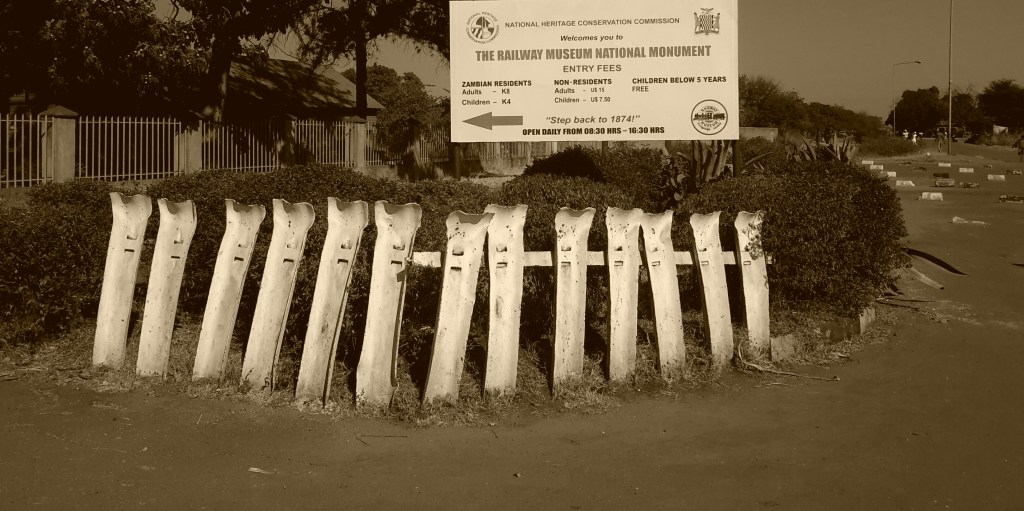
As I travelled to the museum, I couldn’t help but think about what it must have been like to ride on these locomotives in the past. As soon as I stepped inside, I was in a another time period. including vintage images, models, and actual relics on display.
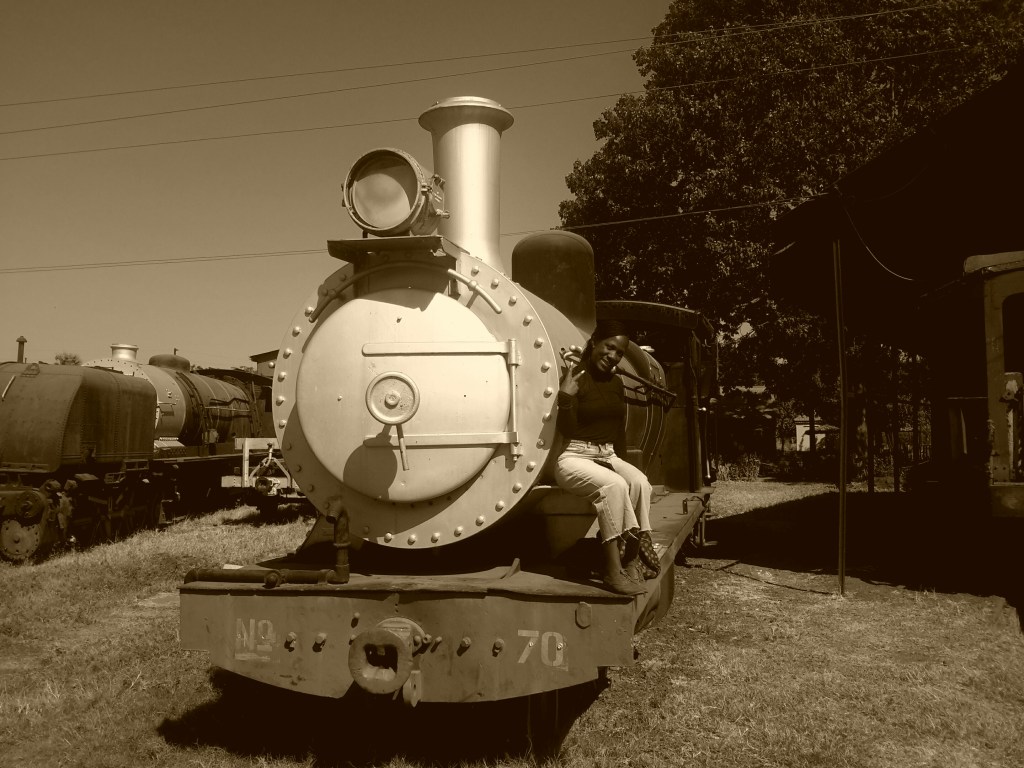
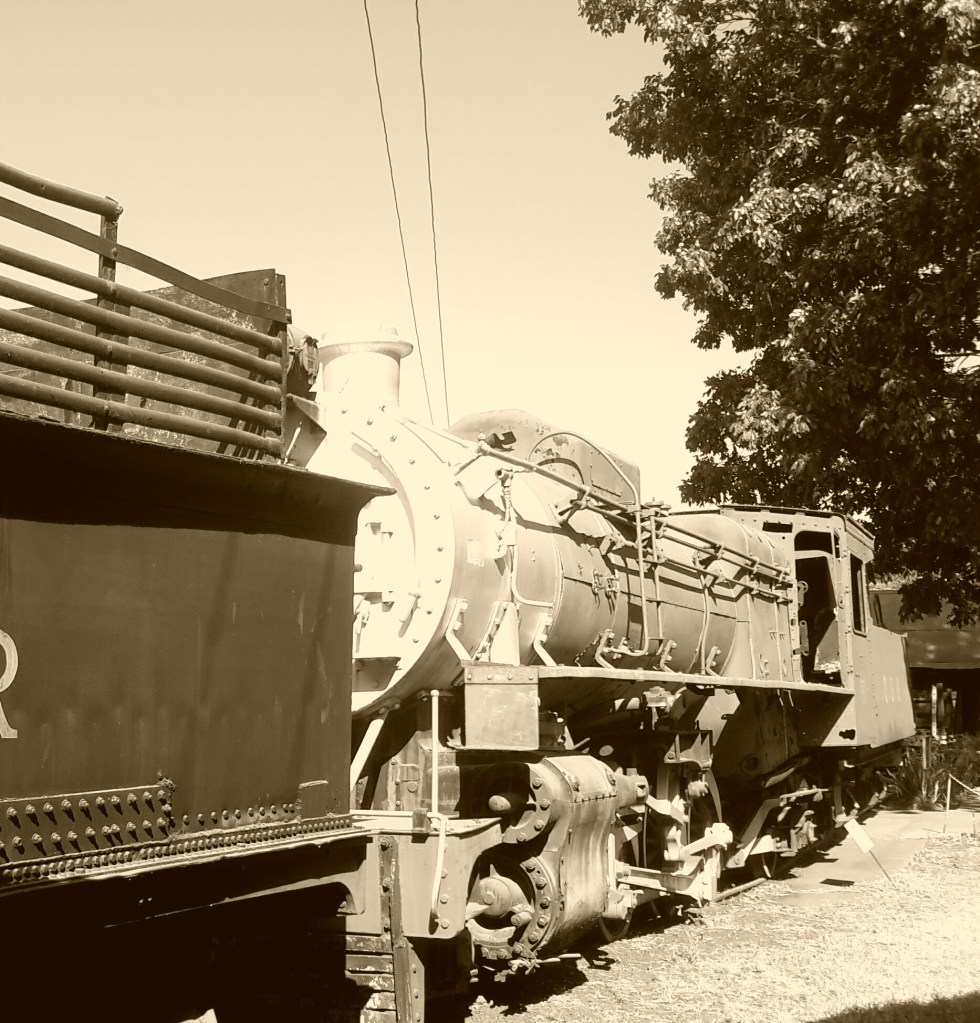
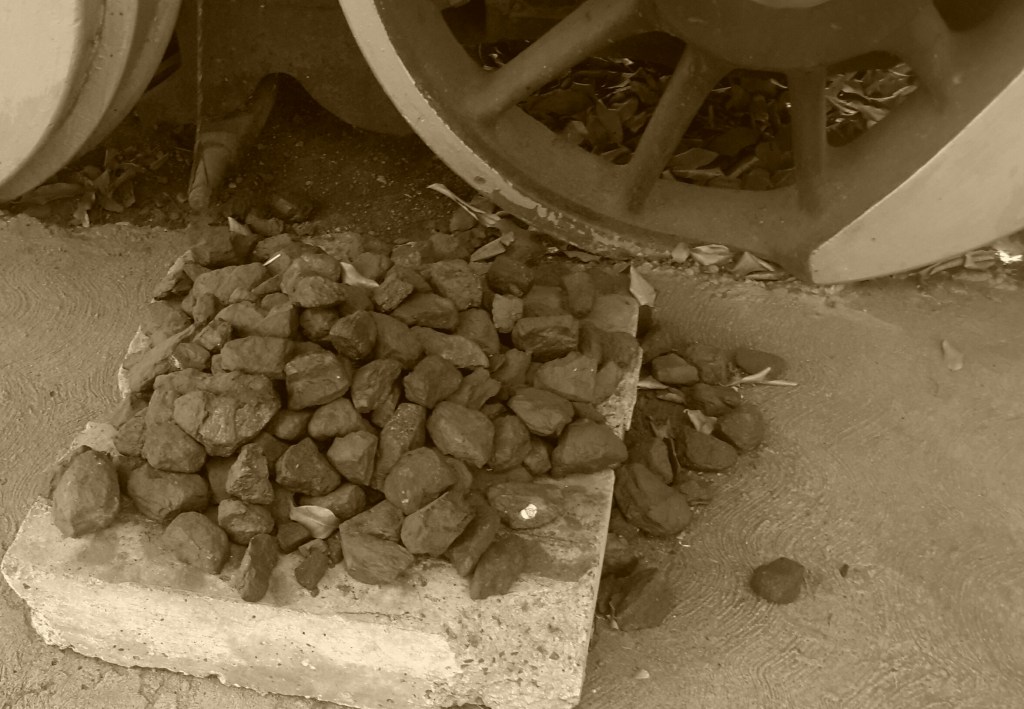
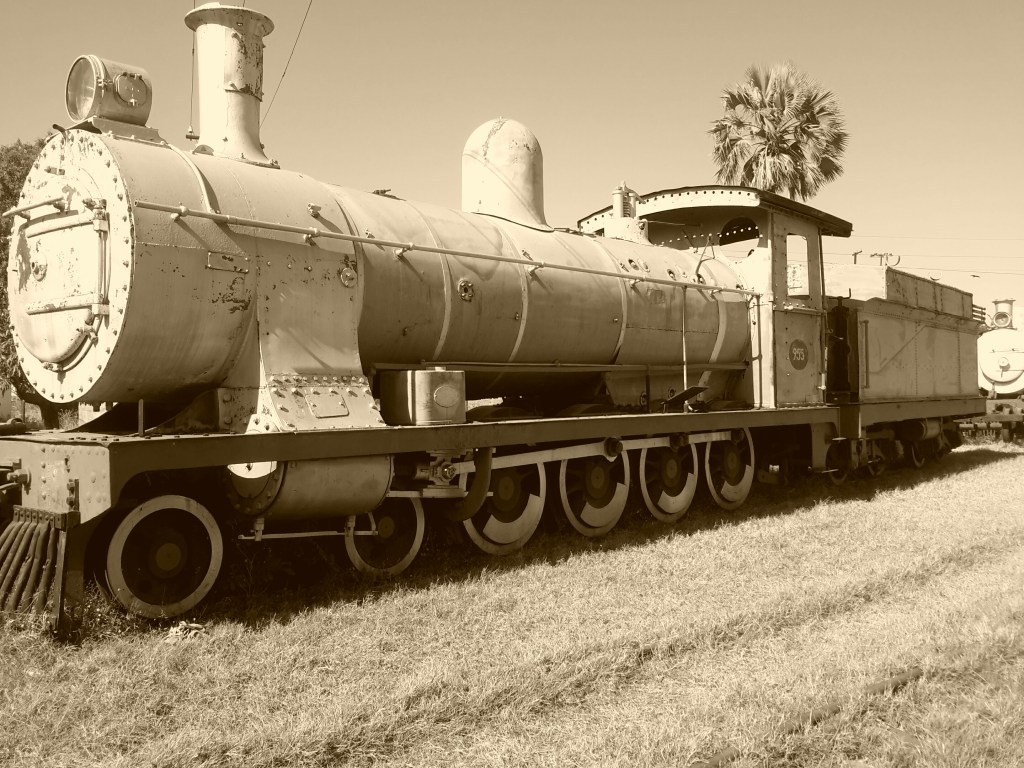
The collection of steam engines, was one of the museum’s highlights. It was impressive to see these locomotives, with their wheels and brass finishes. These devices, powered by coal and pure mechanical force, had formerly linked towns and communities, aiding trade and transportation.
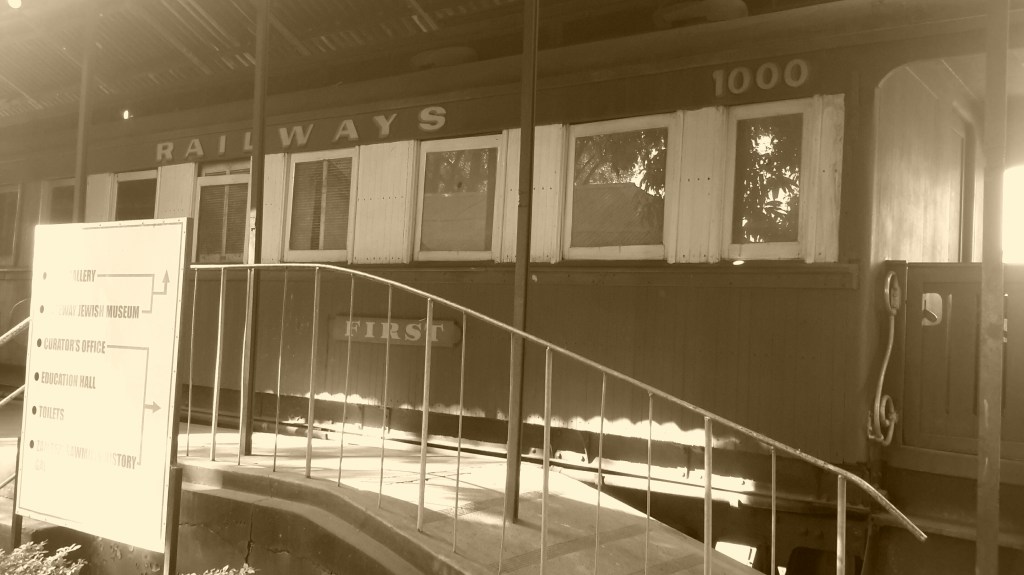
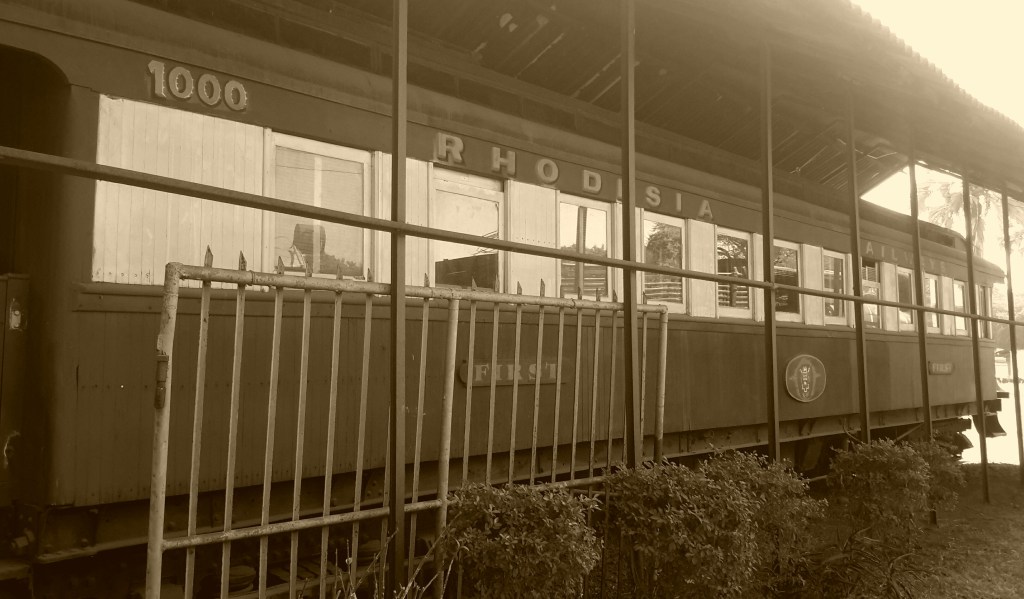
As I explored further, I discovered an array of exhibits that showcased the various aspects of Zambia’s railway history. I learned about the challenges faced by the early railway pioneers.The museum also shed light on the vital role that trains played in the development of the country, linking remote regions and enabling the transportation of goods and people. It is just disappointing now that the railway companies in Zambia are not doing too good. They could use a facelift.
The History of the Museum
The Railway Museum also known as Zambezi Sawmills Locomotive Sheds after some national reforms that came with the independence of the country, was left abandoned. A monuments commission in the country took over managing it and declared it a national monument. Later on in 1987, after some restoration works, it was opened officially by the first president of the country then.
Some Exhibitions you will find
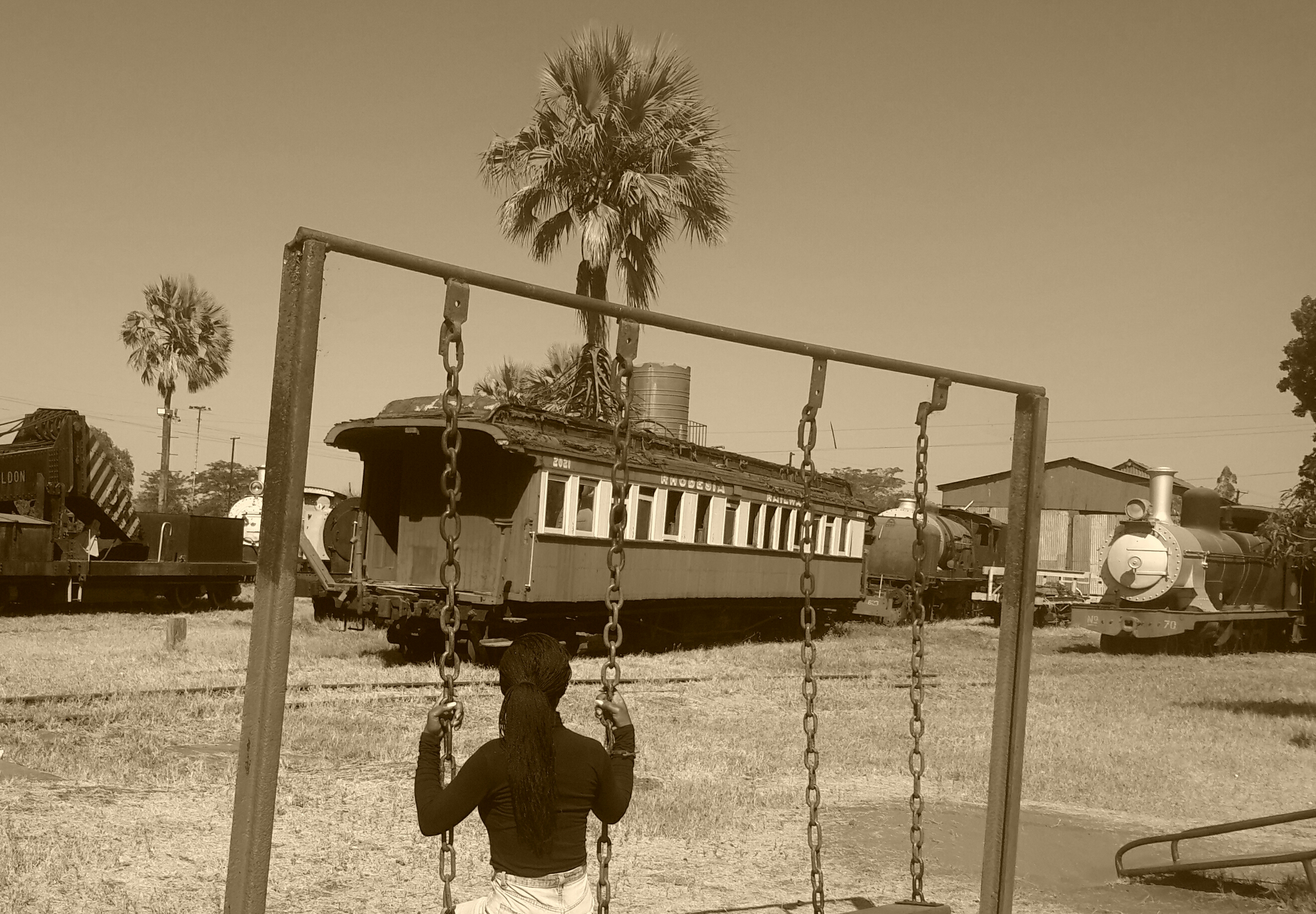
7th Class Engine Number 70 was built by Neilson, Reid, and Company in 1900, and in Zambia, the original owner was Rhodesia Railways ( Zambia’s former name was Northern Rhodesia). In 1925, it was then purchased by Zambezi Sawmills. It was the first steam locomotive. Some of its routes in those days were Bulawayo, Zimbabwe, and Zambia routes. It is the longest-serving steam engine in Zambia.

G Class Number 57 was built by North British Locomotive Company in 1957/8. It was built foe Nigeria Railways and the East African Railway. It was originally owned by Nyasaland (now called Malawi and nicknamed ‘Jubilee’ and was purchased by Zambezi Sawmills in 1970 at a price I found to be so funny now, 322 Kwacha (Zambian Currency) or 16 dollars, then. It was mainly used in construction of the Mulobezi Railway line.
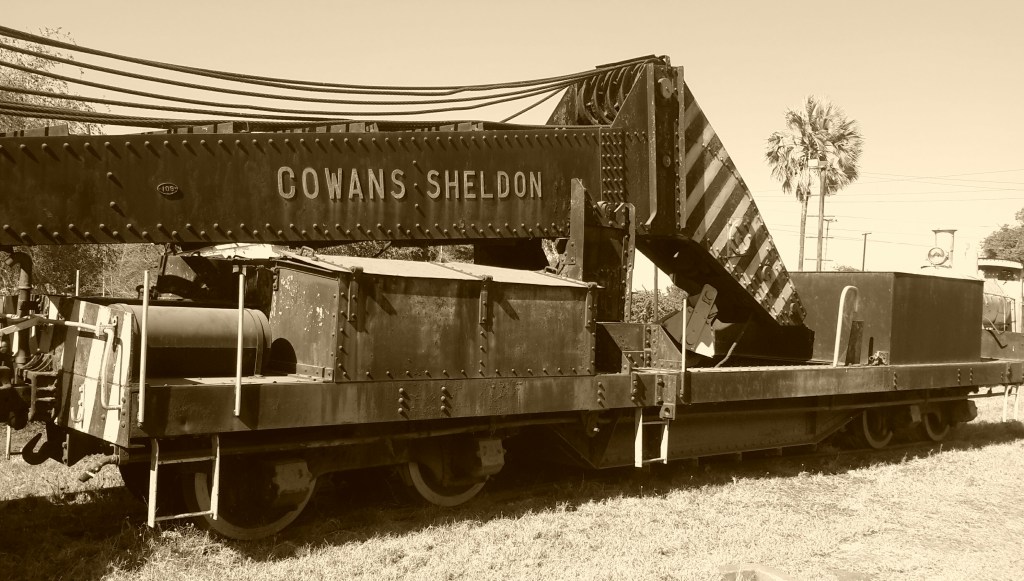
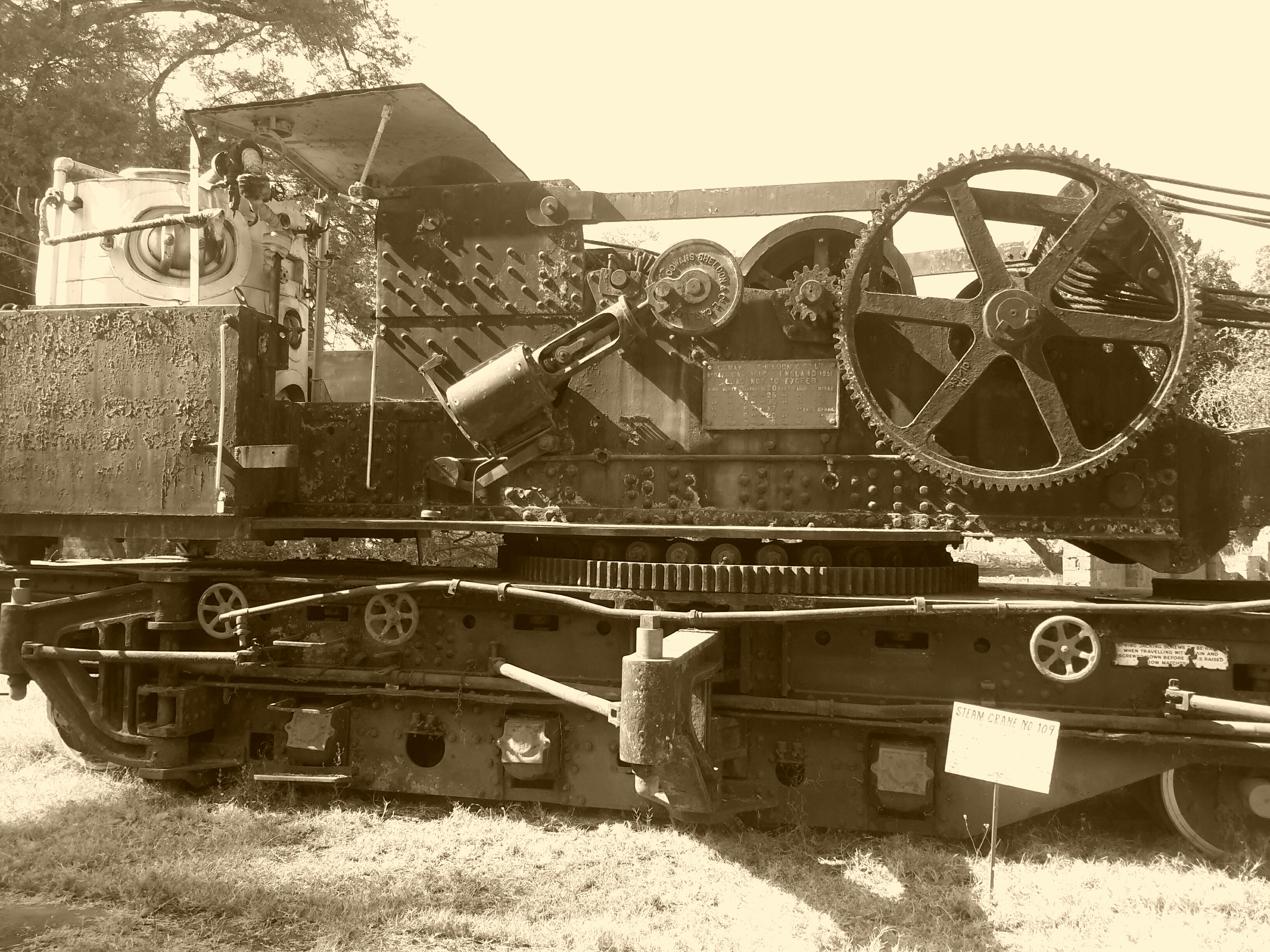
Steam Crane Number 109 built by Cowan Sheldon and Company limited in 1951 and the original owner was Rhodes Railways and the second owner was Zambia Railways. This steam crane also helped in the rescue of two passenger trains that crashed on 17th January, 1996 near a town called Kalomo. A good number of coaches over turned and had a lot of casualties.
“How the Steam Engine works ” Display
As I kept up with my tour, I found this steam train with all sorts of labels showing how it works. From my observation, it appeared like the steam is generated by injecting water into a the boiler from the tank in the tender.
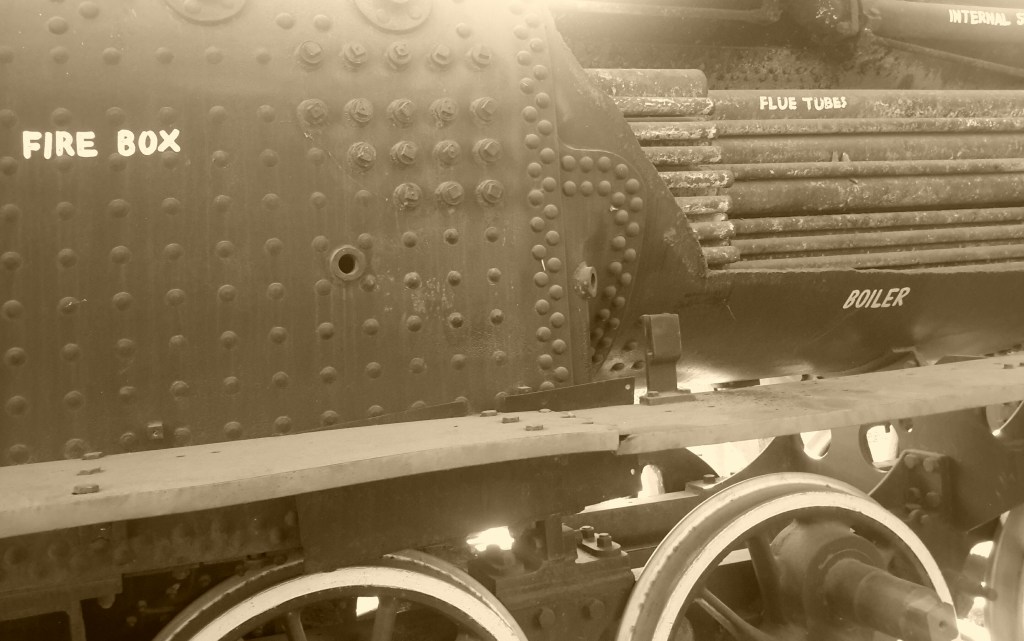
Then the heat energy from the fire box is transferred to the water boiler through the sides of the fire box, tube plates, smoke tubes known as heating surface. Changing water into vapour known as saturated steam is admitted into the internal dry pipe leading to the saturated side of the steam heater header and in the process closing the greasy air valve.

The saturated steam enters the element tubes where it travels twice in each direction. The hot gases passing through the flue tube to the smoke box further heats the saturated steam in the element tubes hence the steam becoming super heated and enters into steam pipes leading to the steam chest and piston valve head. With the valve open, steam enters the cylinders completing its power stroke. The exhausted steam is forced back through the port to the exhaust passage through the blast pipe and cap through the chimney into the atmosphere.



I think the short trip to this museum was worthwhile and I walked away knowledge-packed.
















































 WanderwithFaith