Exploring Zambia’s  History at The Livingstone Museum

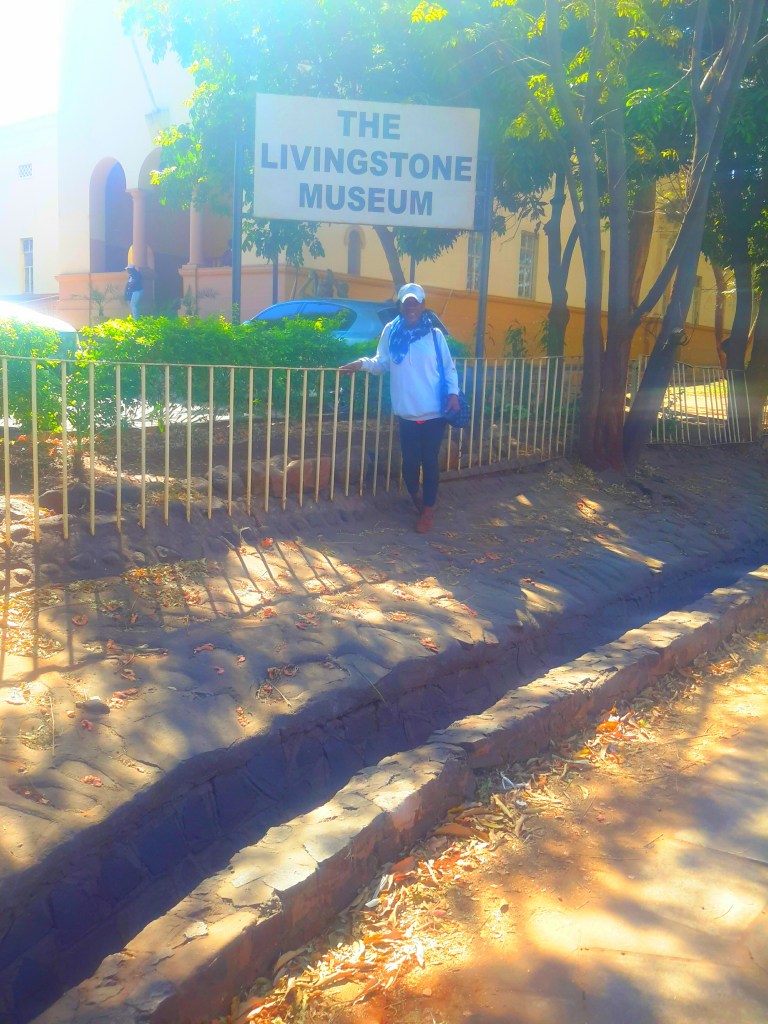
Visiting The Livingstone Museum in Zambia is like stepping into a time machine, one that whisks you through the pages of history, culture, and the untold stories of a vibrant nation. As Zambia’s oldest and largest museum, it offers a treasure chest of artifacts and exhibits that bring the past to life. From the tools of ancient warriors to the personal belongings of legendary figures, every corner of the museum tells a story.

A Glimpse into Zambia’s Fight for Freedom

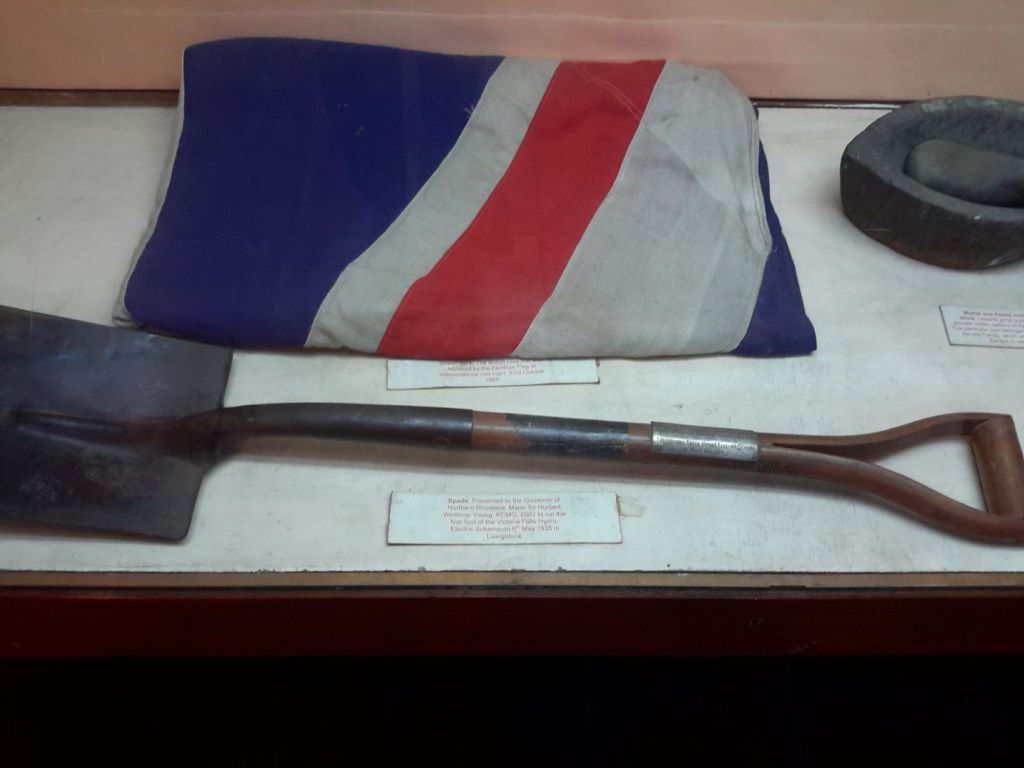
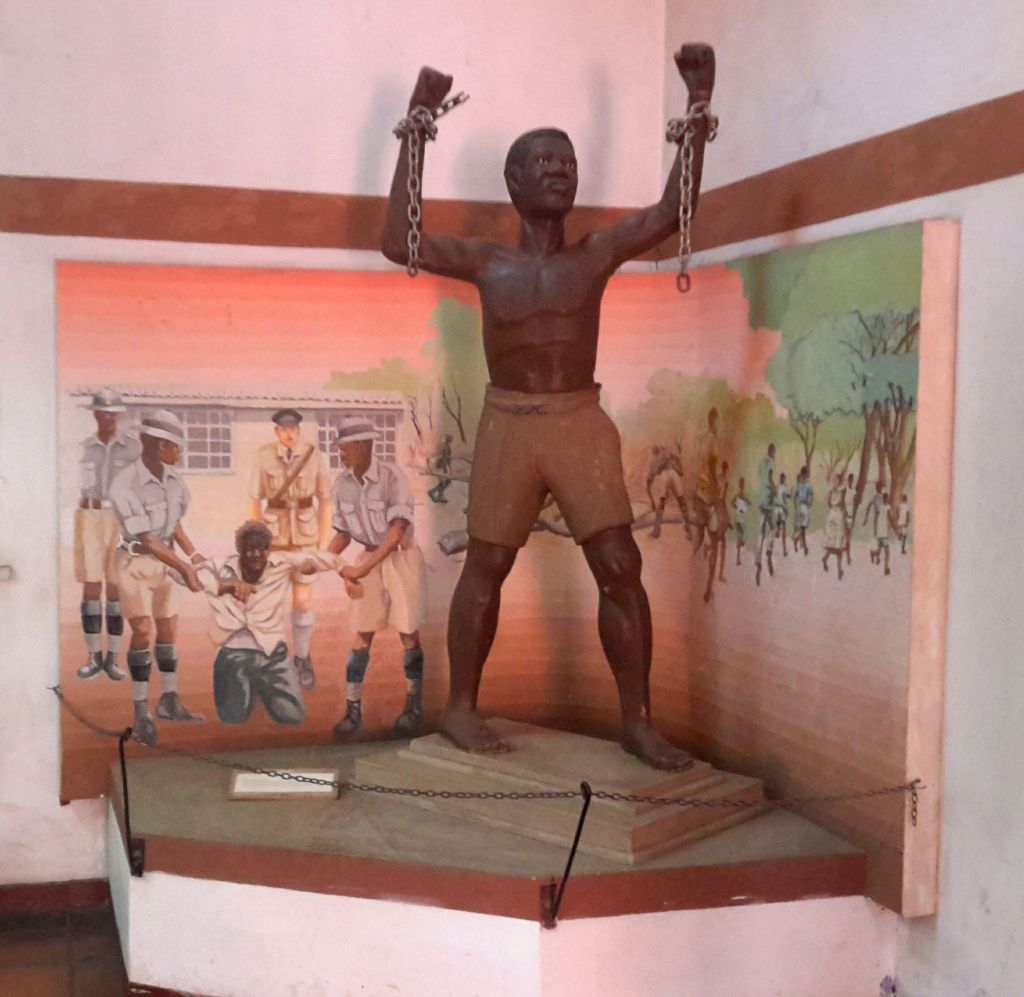
The story of Zambia’s independence is proudly showcased in the museum. A statue commemorating freedom from colonial rule stands tall, symbolizing the nation’s journey from oppression to liberation. Next to it, the sight of the British flag reminds visitors of Zambia’s history as a British colony, a  reminder of the courage of the Zambian people.The story of Zambia’s independence is proudly showcased in the museum. A statue commemorating freedom from colonial rule stands tall, symbolizing the nation’s journey from oppression to liberation. Next to it, the sight of the British flag reminds visitors of Zambia’s history as a British colony, a  reminder of the courage of the Zambian people.
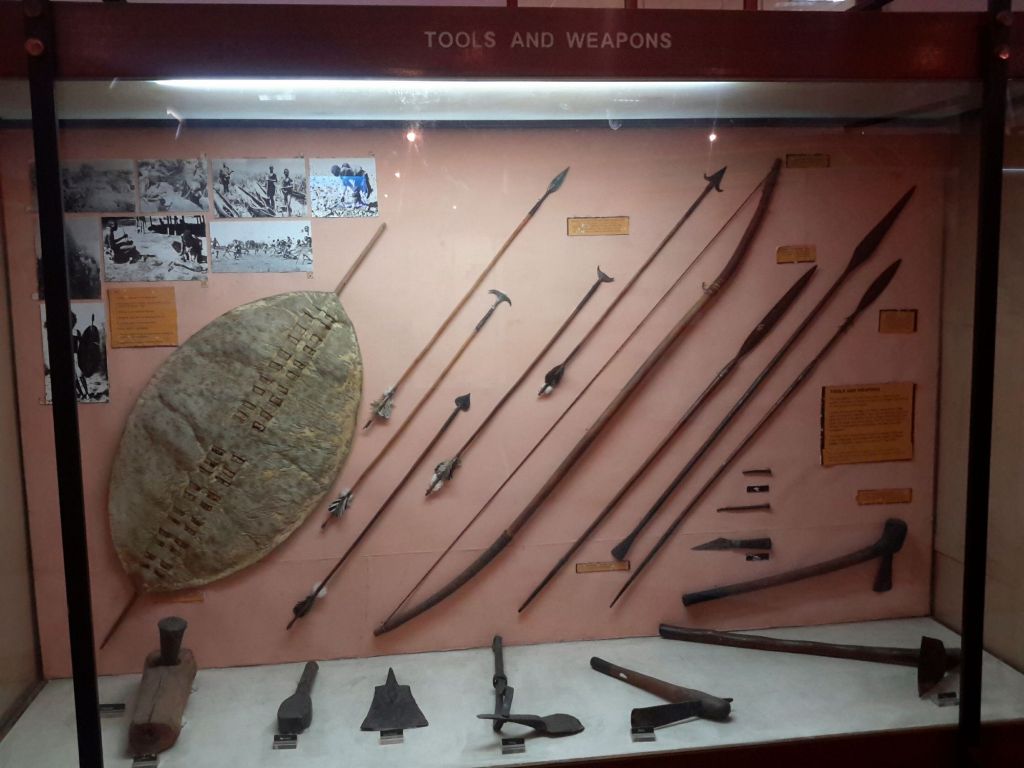
You’ll find traditional weapons like spears, bows, and arrows, used by Zambia’s ancestors for both hunting and protection. These artifacts offer a vivid connection to the bravery of those who lived long before the modern era.
The Legacy of David Livingstone

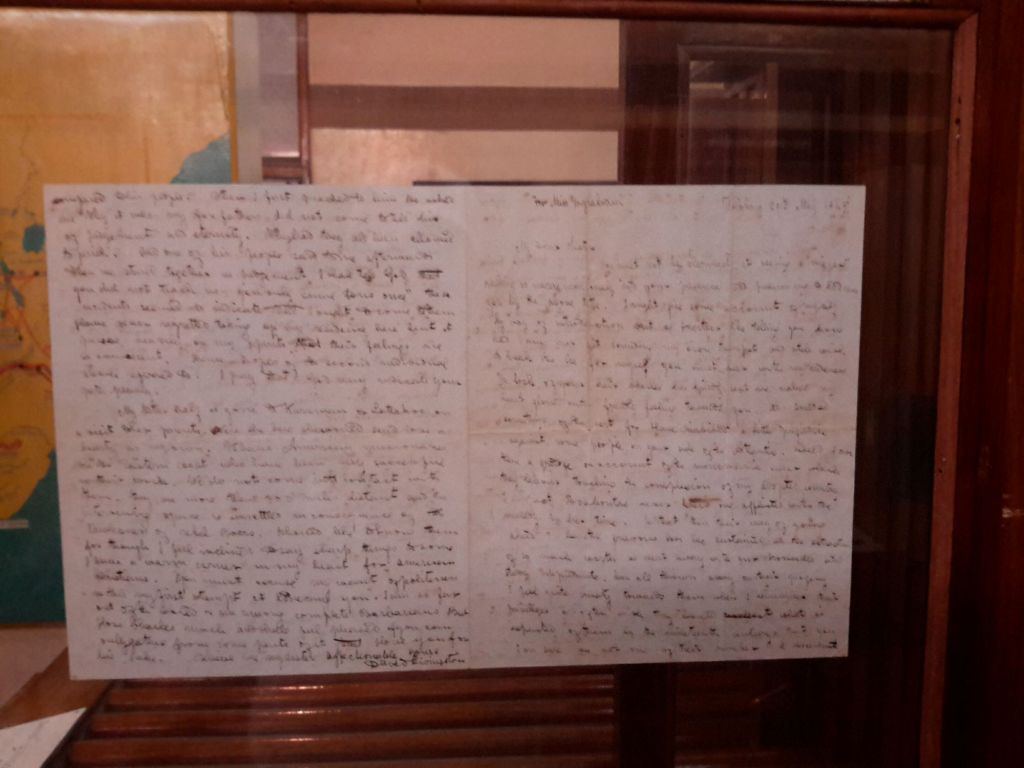
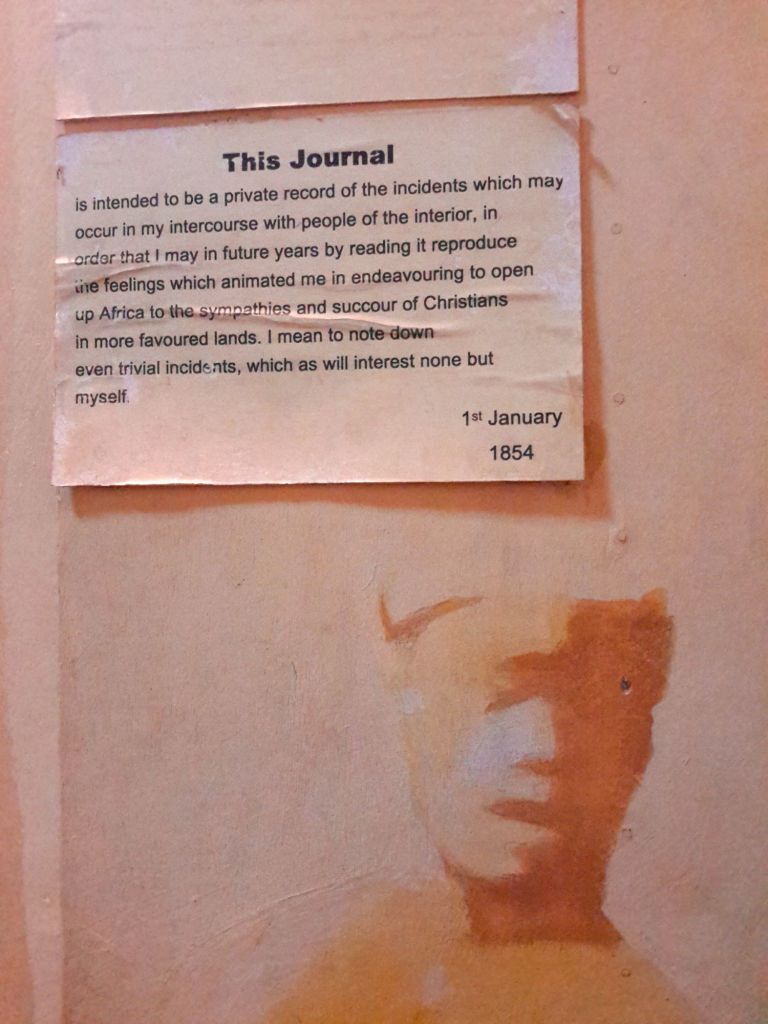
At the heart of the museum’s collection is an impressive exhibit dedicated to David Livingstone, the legendary explorer and missionary. His personal items are on display, including his travelling trunk, which looks like a rugged, well-worn chest ready for an adventure. You’ll also see his coat, his letters, and even his journal, each offering a glimpse into the life of a man who explored territories and made history along the way.
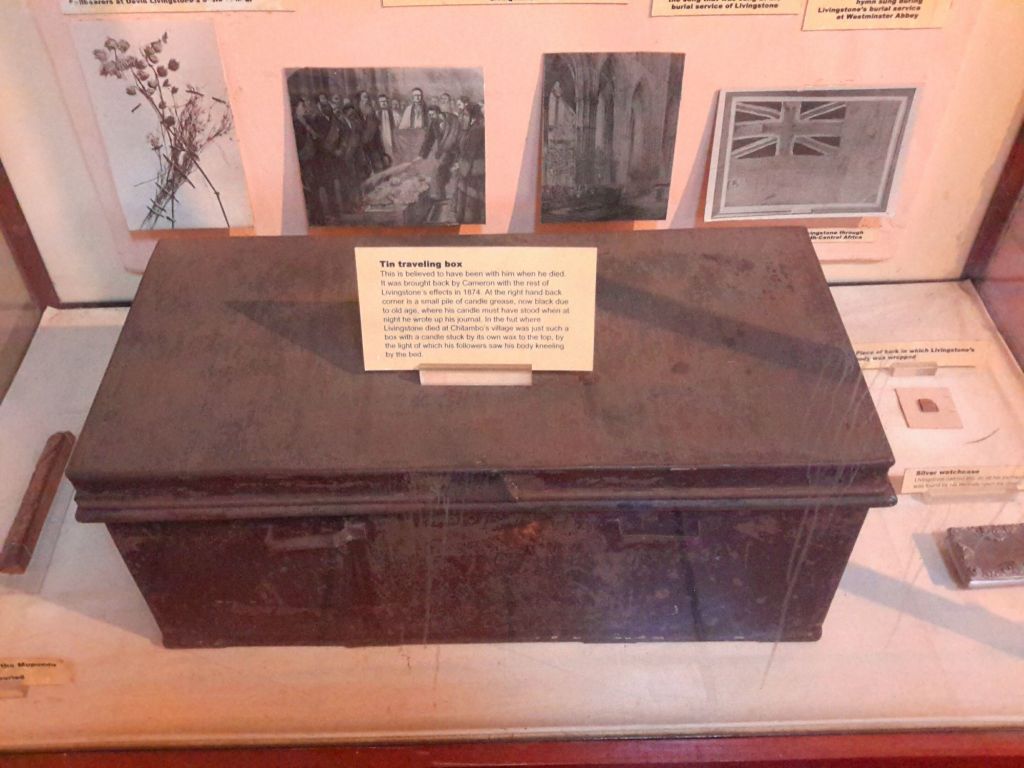
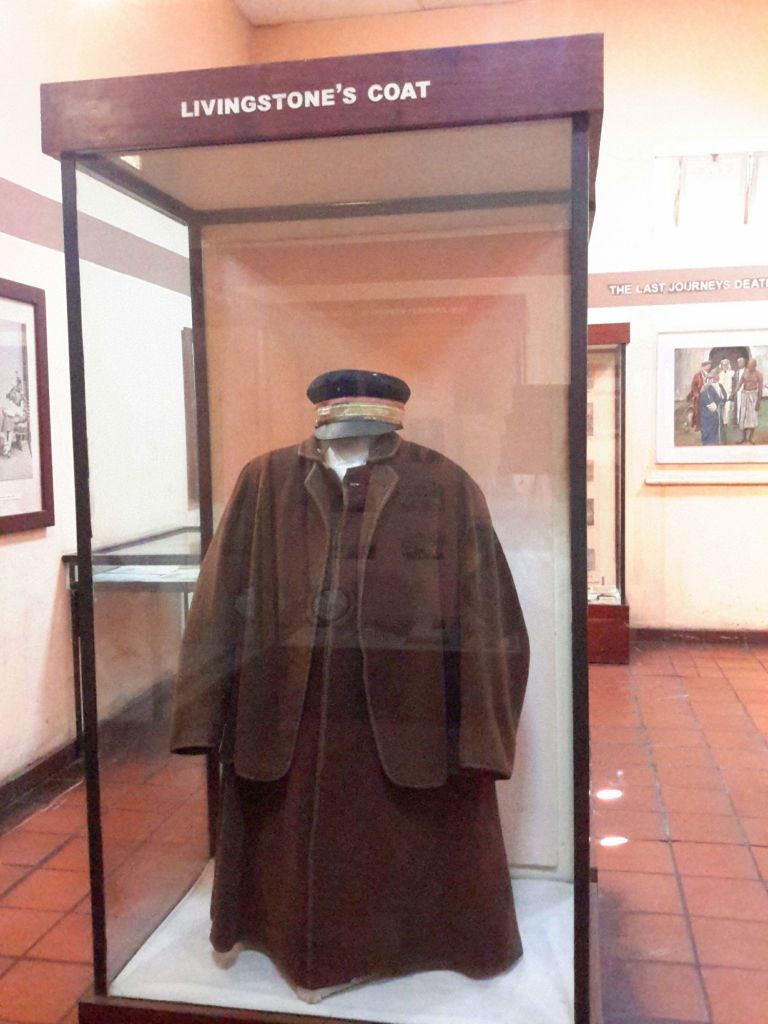
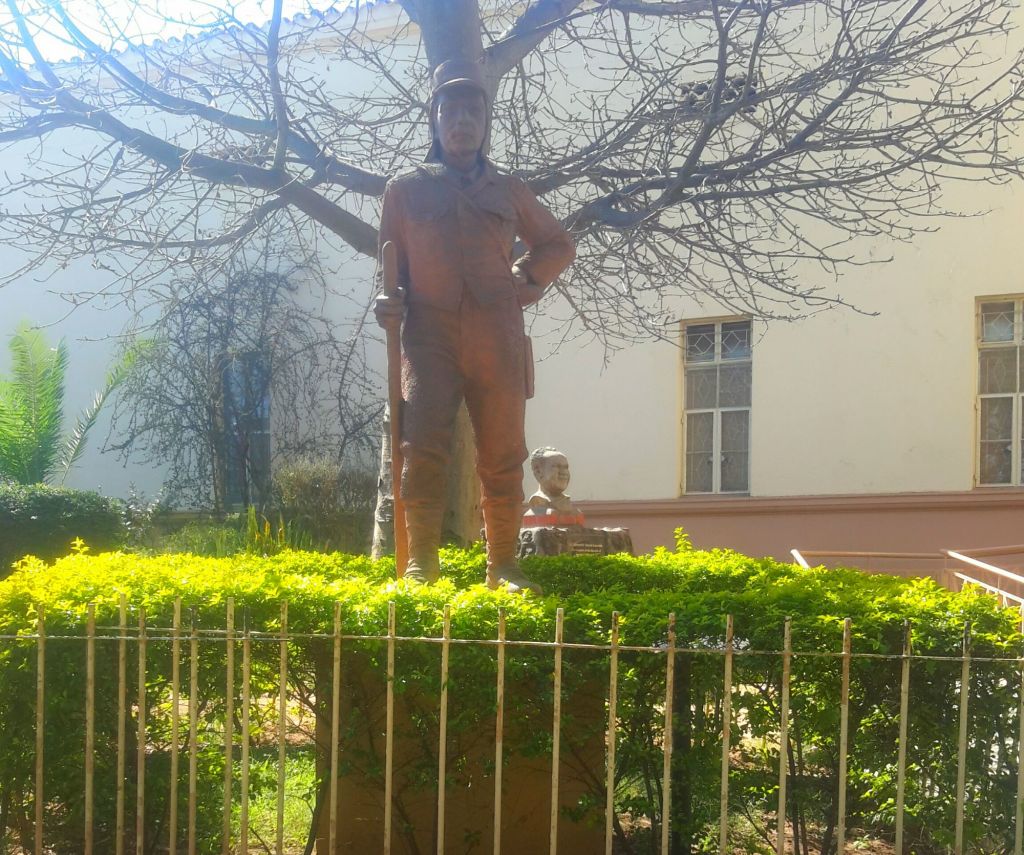
The museum also features a statue of David Livingstone, a reminder of his enduring impact on the region and its history. His story is intertwined with Zambia’s past, making this exhibit an essential stop for anyone curious about the country’s journey.
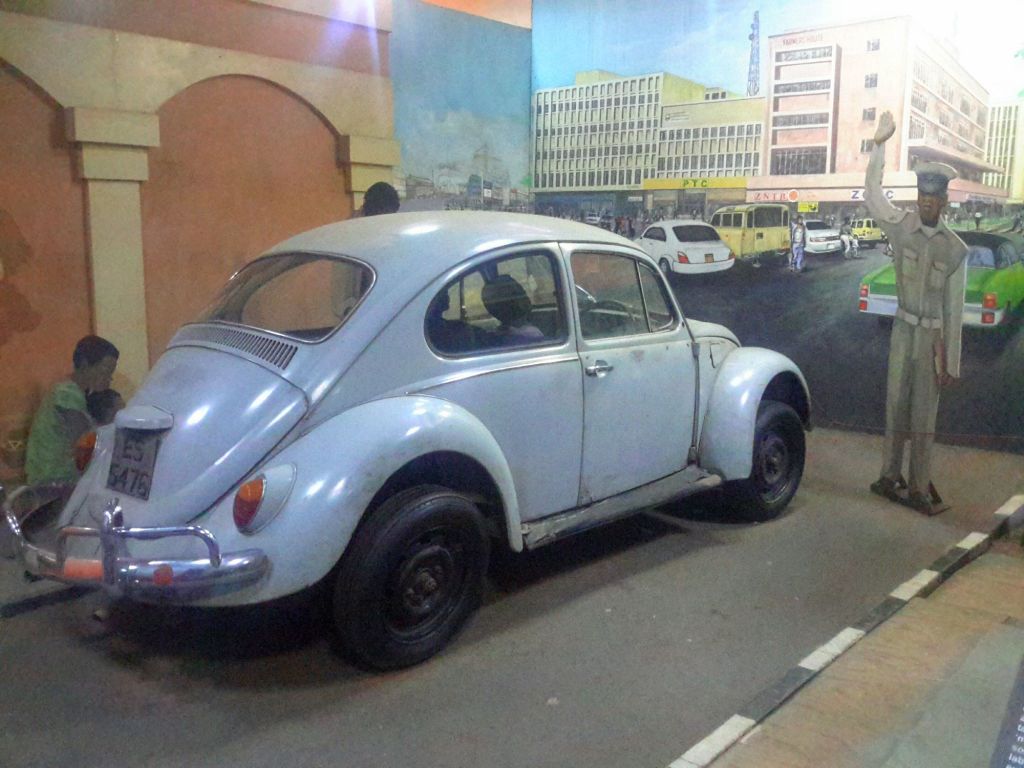
The Vintage VW Beetle Vehicle

One of the most charming exhibits in the museum is a vintage vehicle. Its unusual design makes it stand out among the historical displays, offering a fun and unexpected element to your visit. This car was once used in Zambia, and its presence in the museum adds a delightful touch of the past.
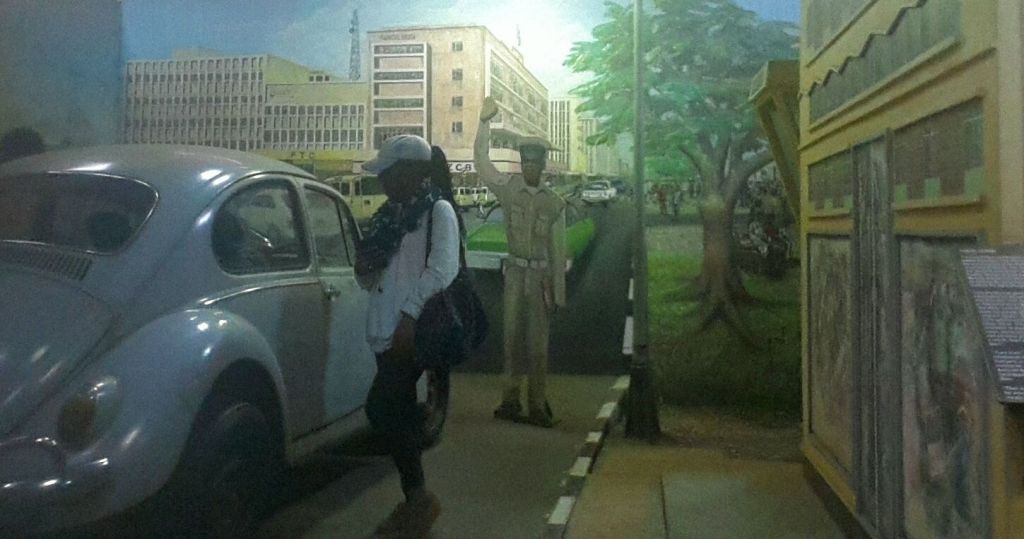
Panoramic Views of Zambia’s Past

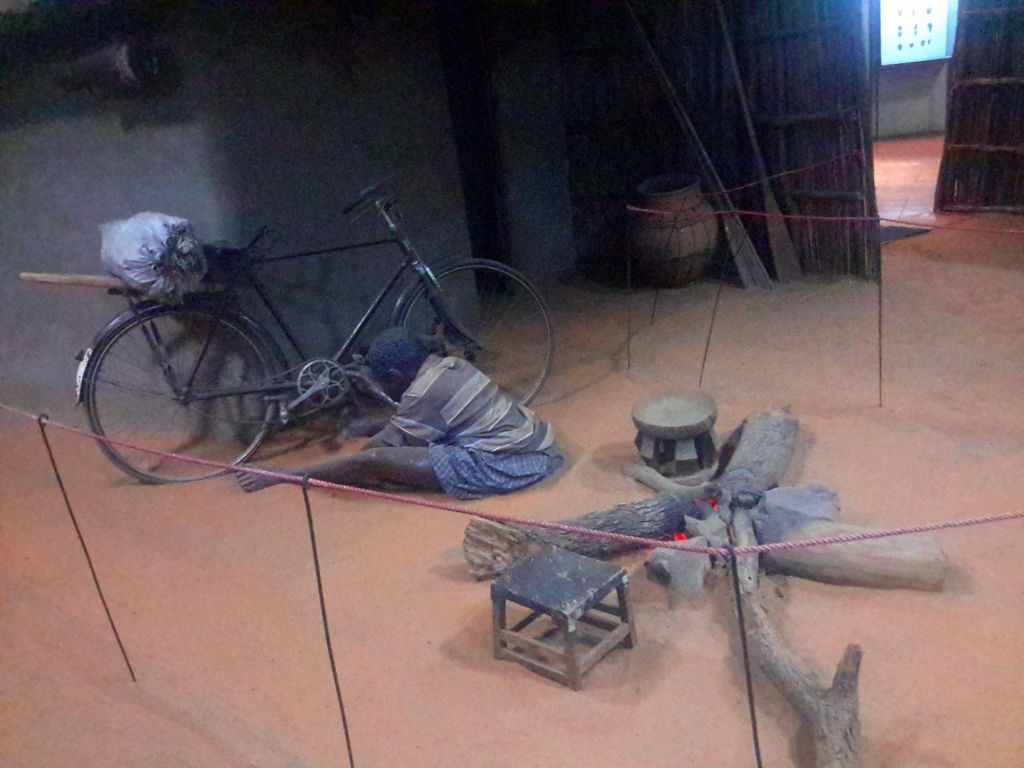
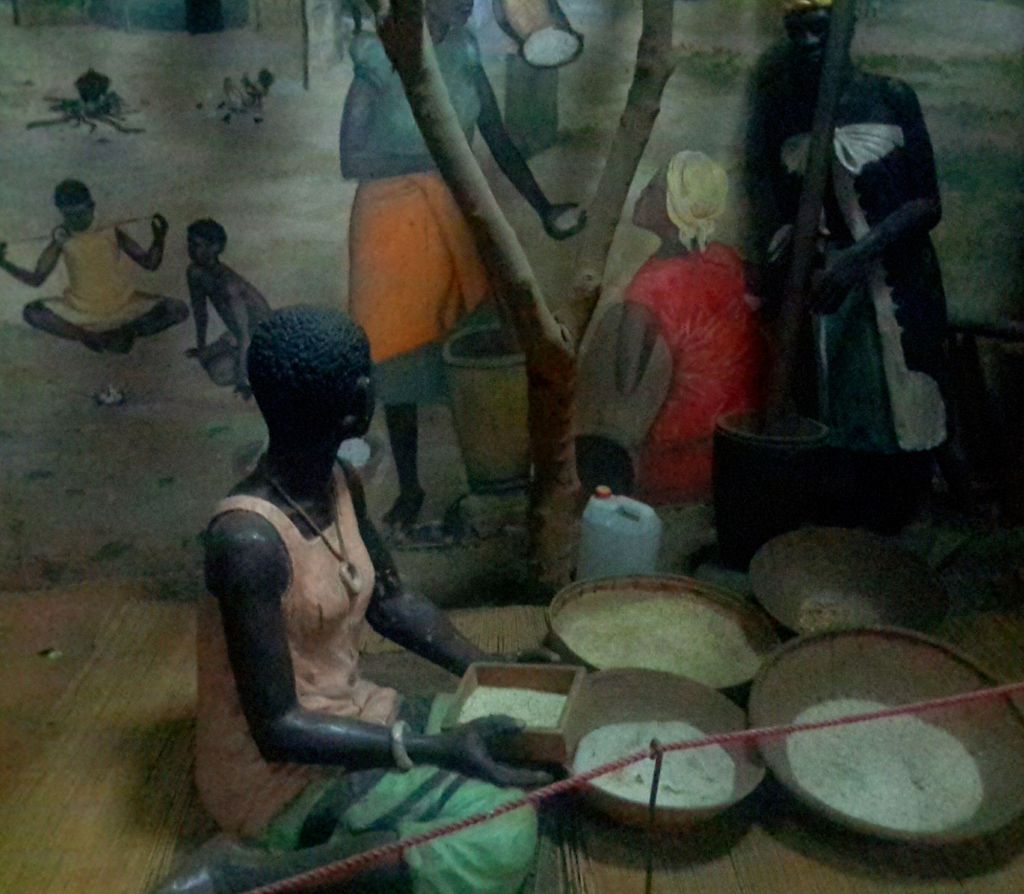
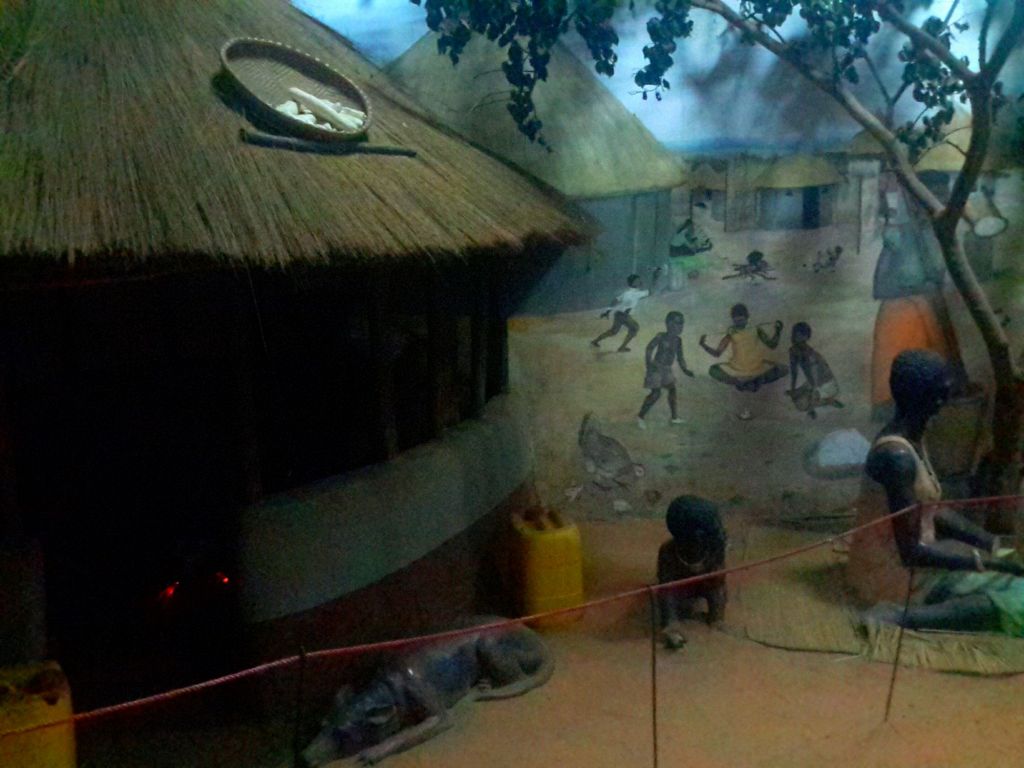
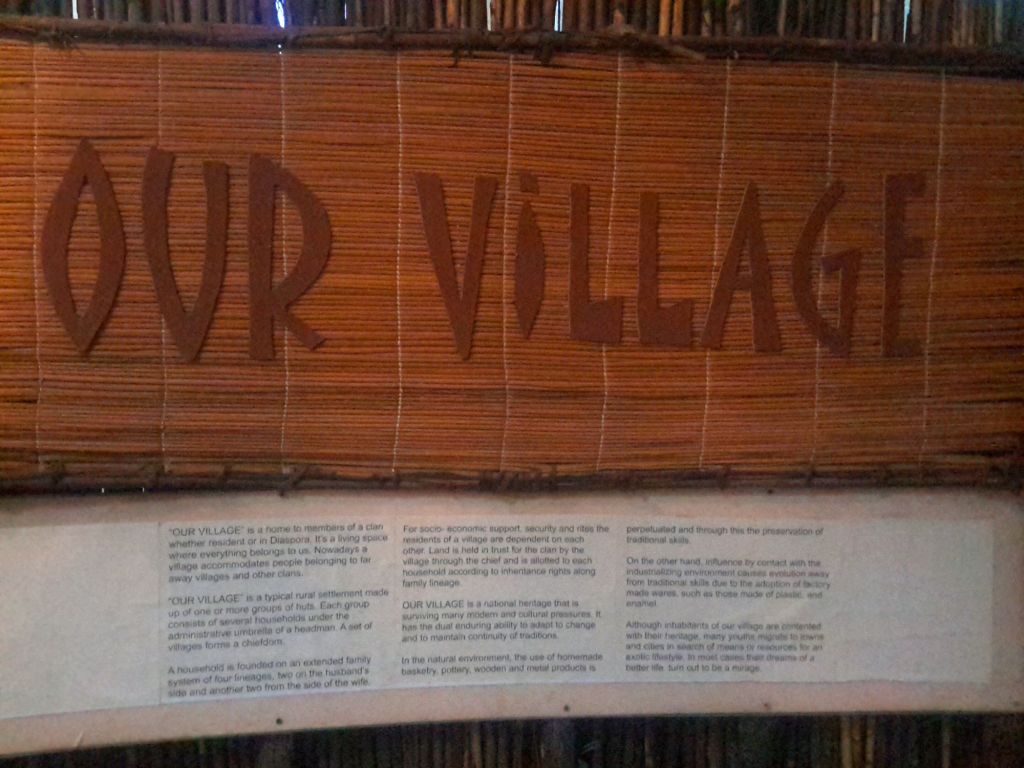
The Livingstone Museum doesn’t just tell stories, it immerses you in them. One of its highlights is a breathtaking panorama of a traditional Zambian village. This display recreates the sights and sounds of village life, complete with huts, tools, and scenes of daily activities. Walking through this exhibit feels like stepping into another time, offering a profound connection to Zambia’s cultural roots.
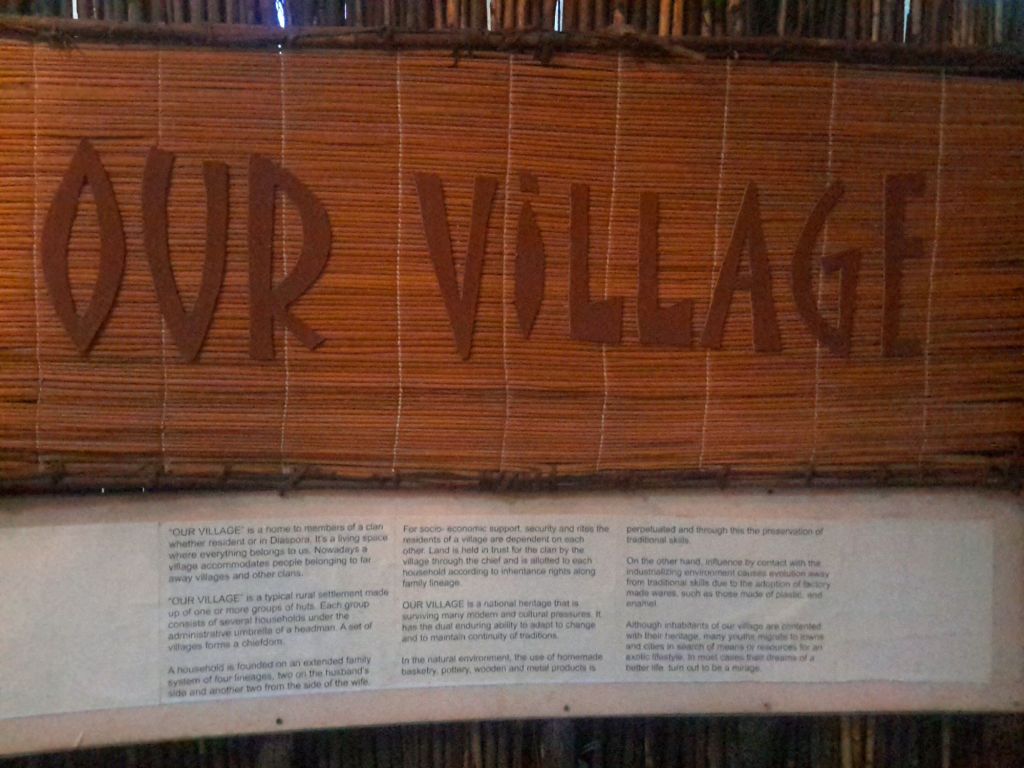
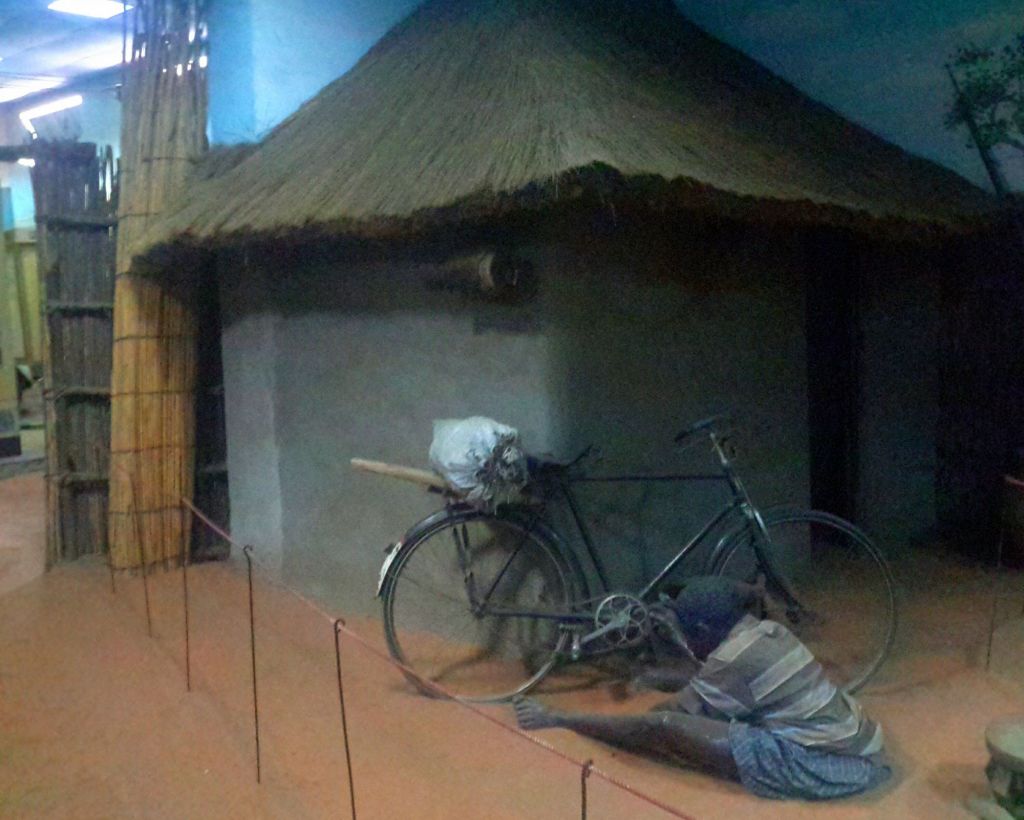
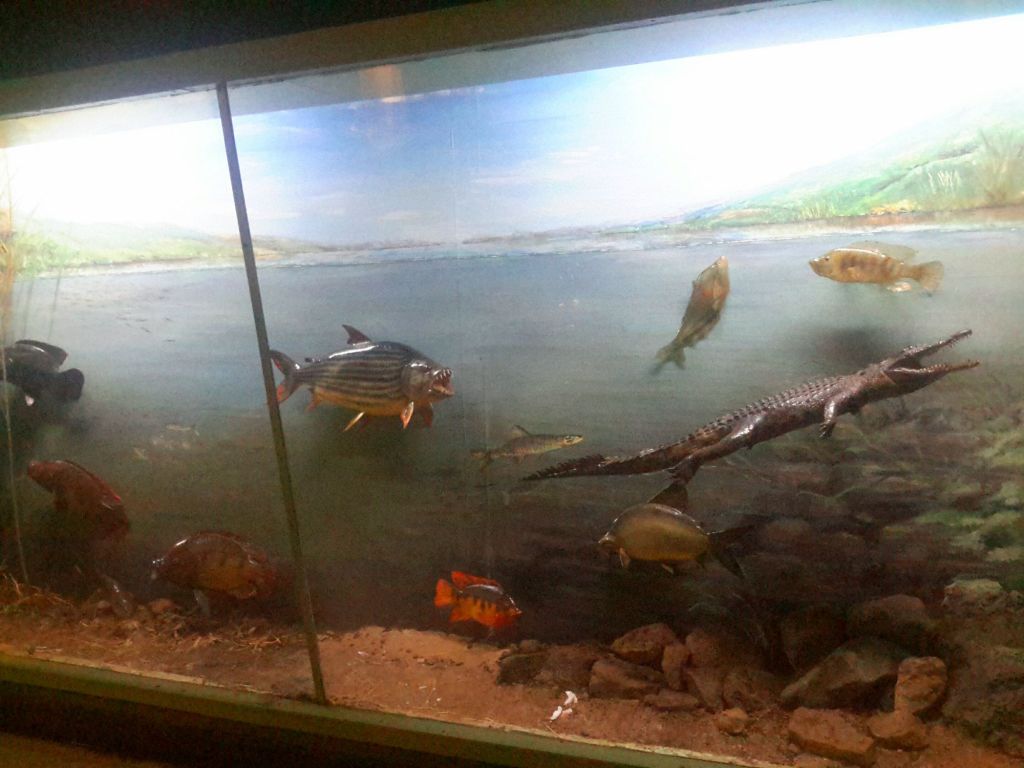
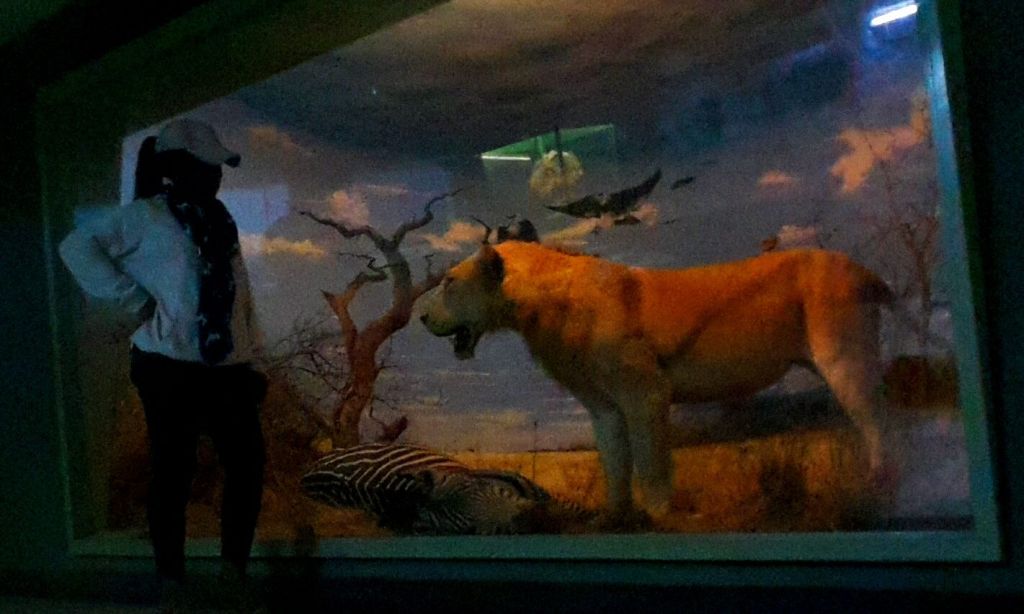
Nature lovers will also appreciate the museum’s natural history section.
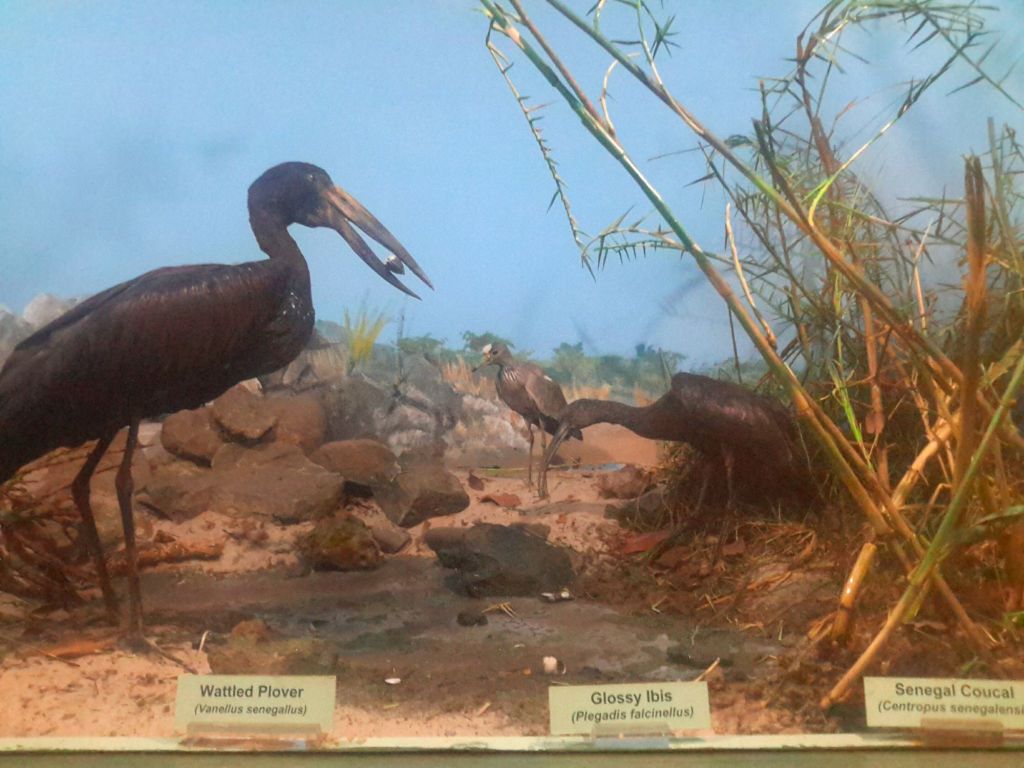
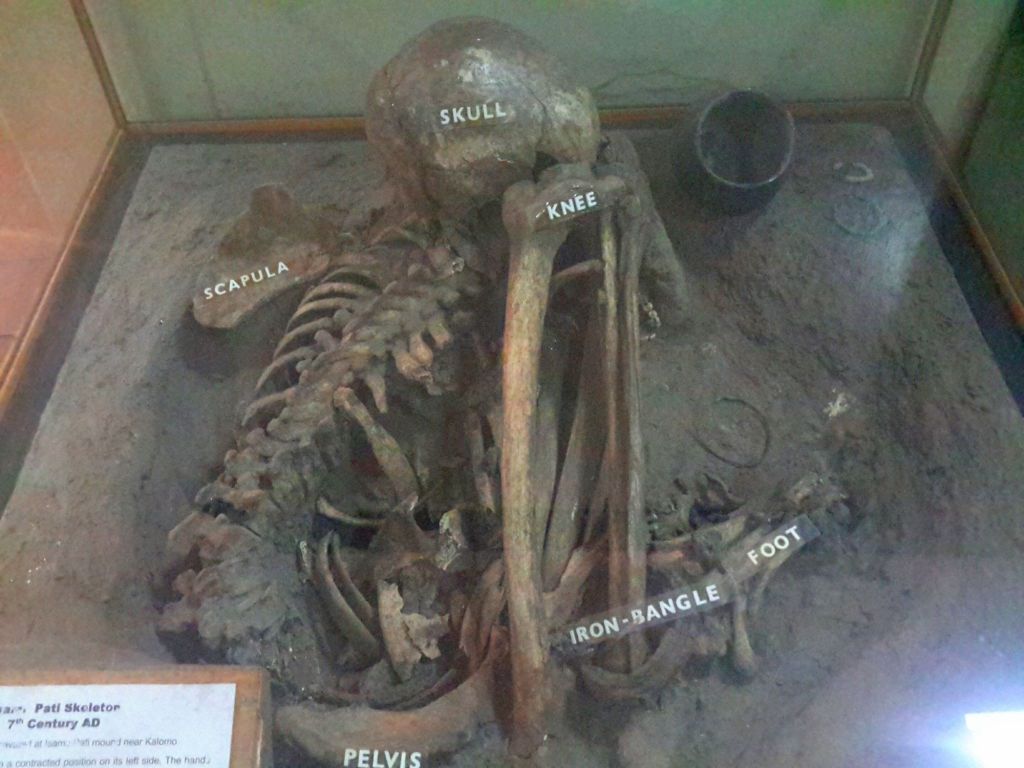
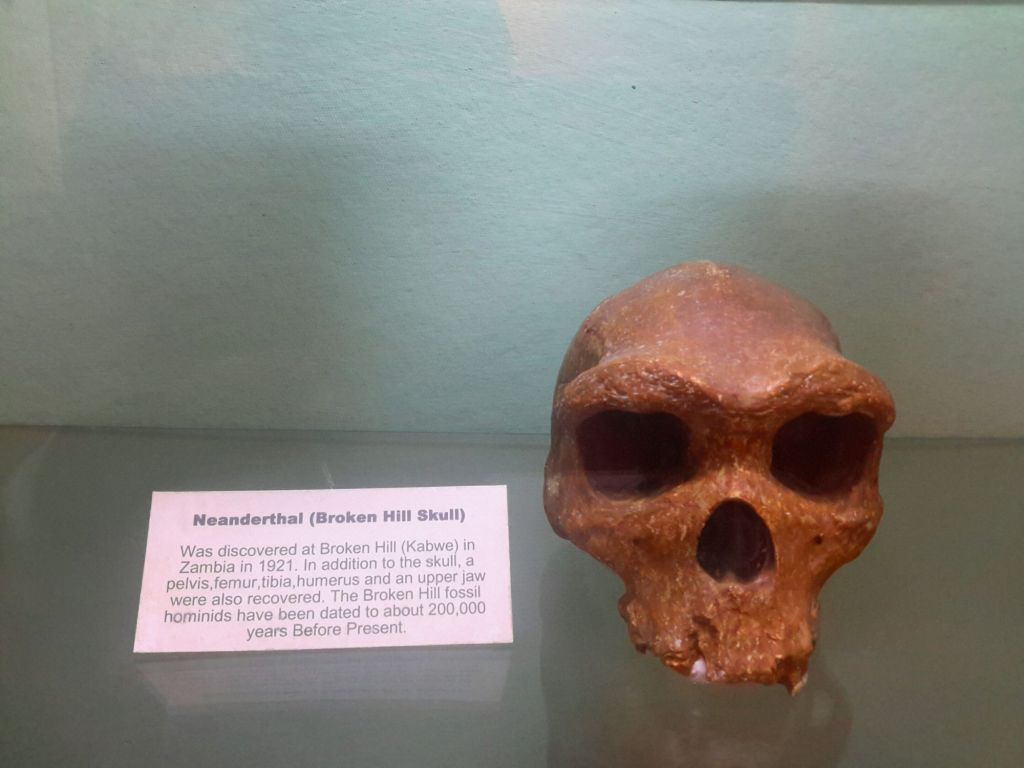
Here, you’ll find displays including the skeleton of the isamupati, that is in folded like poster showing in what style olden people buried others. But perhaps the most intriguing exhibit is the Broken Hill Man skull, an important anthropological find. While the original skull is currently housed in the UK, the museum displays a detailed replica and shares plans for its return to Zambia, a move that will further enrich its collection.
For , culture enthusiasts, or anyone with a curiosity for the past, this museum offers an unforgettable experience. Its carefully curated exhibits and immersive displays ensure that every visitor leaves with a deeper appreciation of Zambia’s heritage.

Kenneth Kaunda’s Chilenge House: A Symbol of Leadership

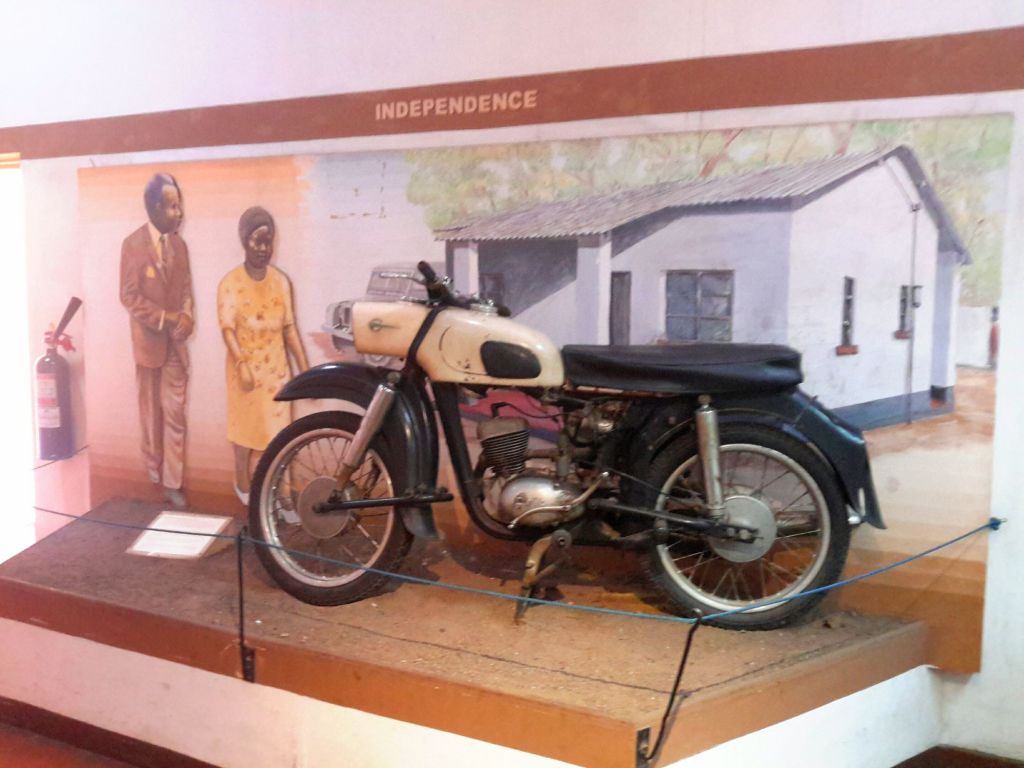
No visit to the museum would be complete without learning about Kenneth Kaunda, Zambia’s first president and one of the most influential figures in the country’s history. The museum features a view of his Chilenge House in Lusaka, where Kaunda’s leadership and vision began to take shape including the motorbike he used. This exhibit honors his legacy and highlights his role in shaping modern Zambia.
Why The Livingstone Museum is a Must-Visit

The Livingstone Museum is more than just a building filled with artifacts—it’s a living, breathing celebration of Zambia’s rich history and culture. Whether you’re marveling at the tools of ancient warriors, admiring David Livingstone’s personal belongings, or stepping into a recreated Zambian village, every moment spent here is an opportunity to learn, reflect, and connect.

Unearthing Southern African travel through Myths and Mementos

The most common way to keep memories has been photos. Almost every one of us loves them. There are many ways to keep our memories but some things we decide to keep may last longer than others. I am inspired by collections that others have. This one time, I saw a backpack this traveler had with lots of small flags fastened to it which I believe represented the countries he had been to.

When we travel,  we sometimes hold on to that one thing that will remind us of those places we visit. What I noticed is that some memories may be long-lasting and some short. For those thinking, “Why not keep memories where they belong, in the mind.” l do agree with you. But a memento is good for others and not everyone. Others are connected to happiness, sadness, or indeed any other emotion.

Traveling around Southern parts of Africa has allowed me to hold on to some mementos,  some of which are long-term and are still there, some that are short-lived and disappeared in thin air, and some that are both long and short-term due to circumstances. Along the way, I also collected some myths that I have kept at the back of my mind and pondered on once in a while.

The Short-term mementos

Henna Skin decor

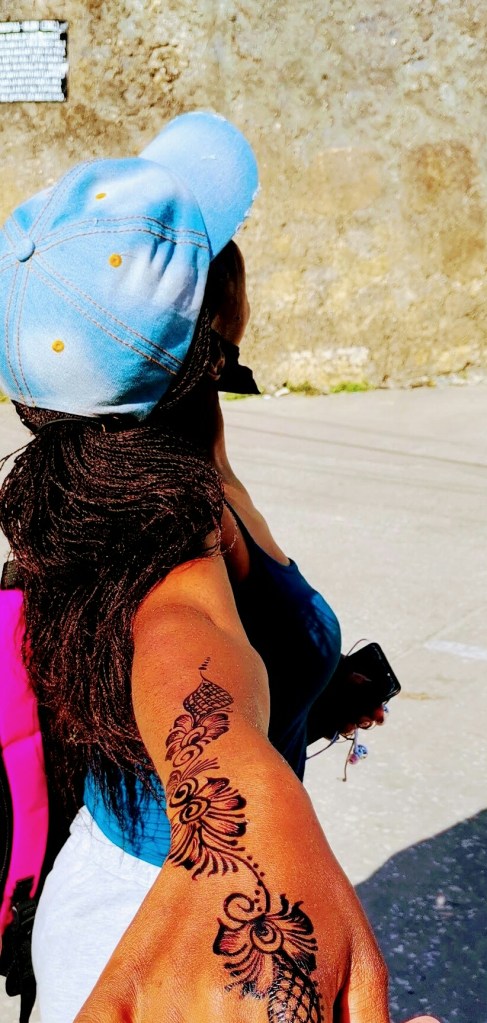
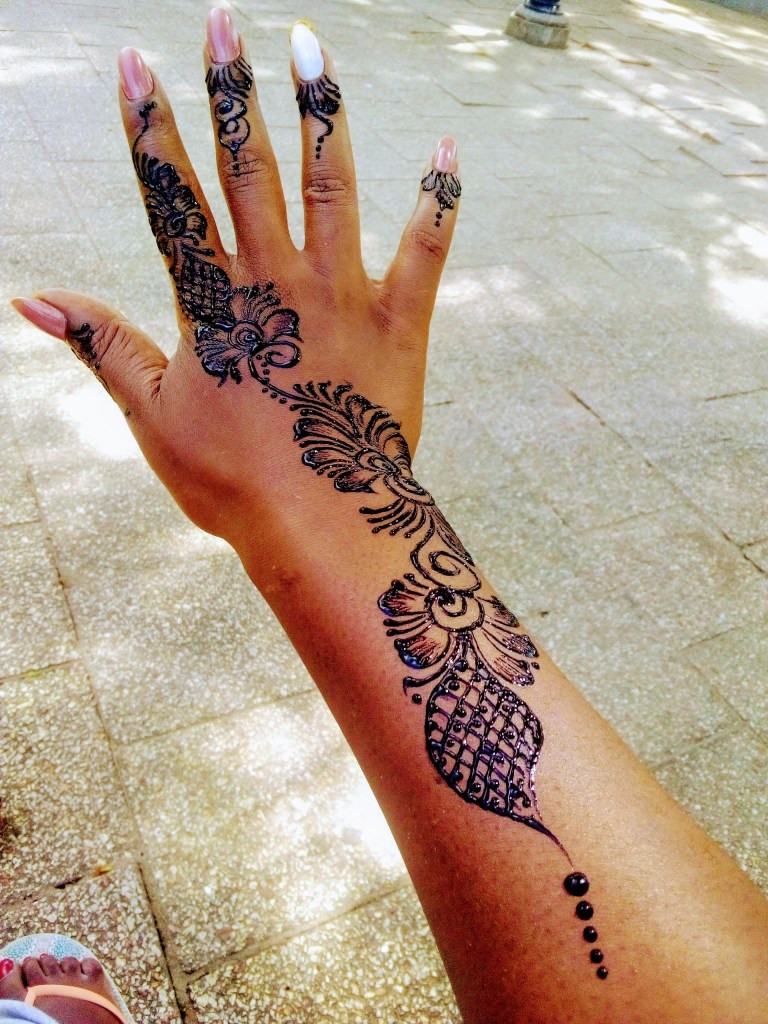
Not every souvenir needs to be placed in a treasure box. Some people have opted to have reminders of some things on their skin. Count me out on the permanent ink. I always get too chicken to pull that off.  But have you seen how beautiful henna skin decor looks on ladies?

Henna skin decor has been a reminder of countries like Tanzania and Kenya. It looks like this act is more prominent in Arab and Indian culture. Interestingly, some have said it symbolizes good health and prosperity in marriage and that the darker it is, the stronger or deeper the love between two individuals. So basically it looks like it is an act done by women in love or soon-to-be married, and that are in good health. The funny part about being a tourist is that we do these things blindly at times without understanding the meaning behind them. Can you imagine how many thought of me as a bride? Lol! I celebrated none of the above things except just being joyous because of visiting the countries.

Cute Hotel Complimentaries

I will not be ashamed of the fact that I have, sometimes, kept some hotel complimentary soaps, shower gels, shampoos, chocolates, etc. I mean, why do they make them look so cute and petite? I guess they are meant for us to use and if I had carried all those things already, there is no way I would have left these cuties for the next guest. It may sound like a not-so-fancy thing to do but it is the cuteness of these products that some of us love and speaking of how long they last is dependent on how big our treasure chests are. I believe these complimentary gifts aren’t meant to last that long so long you showed one or two people out there that you used a shower gel from a hotel you loved. I think that hotel staff don’t care if you got those but they would be bothered if you got their towels and pillows.

The Long-term mementos

Foreign currency collection

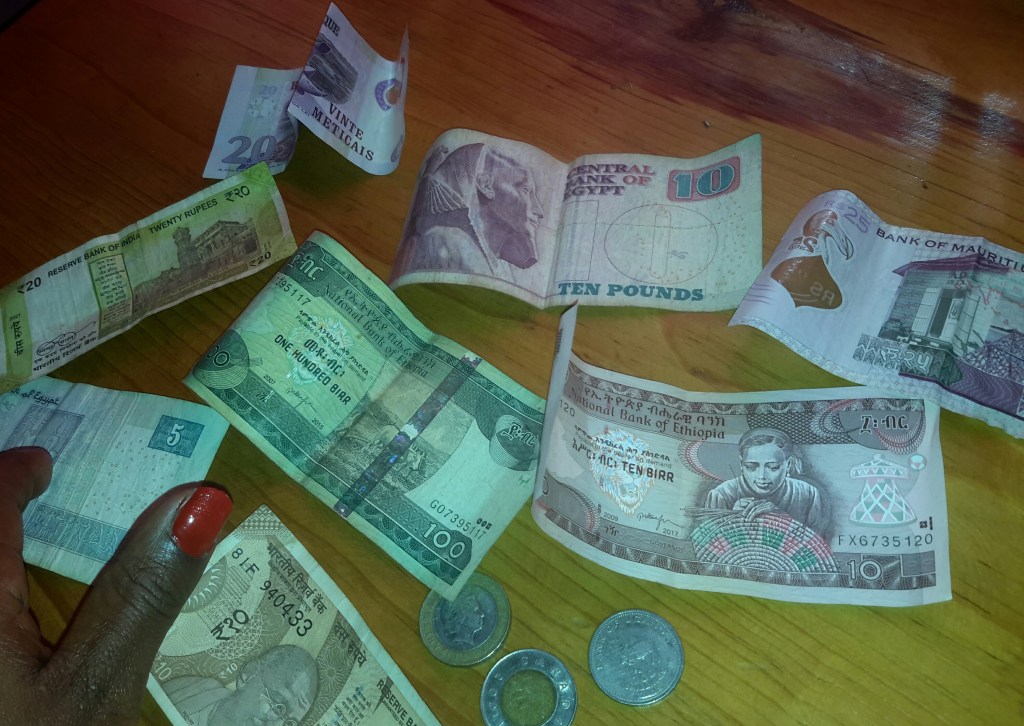
When it comes to keeping currency as a souvenir, people prefer to have a collection of currencies of countries they have been to. In as much as I have done that, I have found myself collecting currencies of countries I have not been to. To be fair, this has given me a desire to travel to these places. I have often looked at them and imagined myself using them in their countries. I have found myself having this collection from other travelers. It would be nice to travel to Mozambique, Egypt, Mauritius, India, Canada, the UK, Ethiopia, etc. The beauty of treasuring this long-term souvenir is that it is lightweight and won’t burden you.

Tour compliments

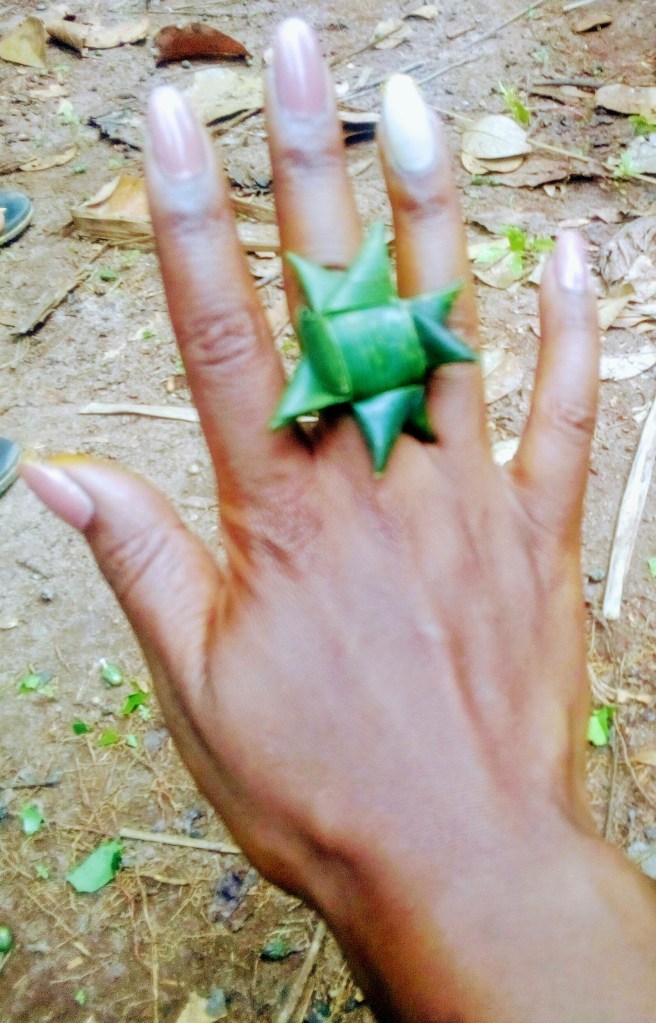
There are lots of things one could keep for souvenirs when they do short tours. Some tours involve one using a tour bus to get familiar with a city. Some tour buses do give you free headsets to listen to the music on board as you enjoy city views. At times, you may be given funny things like this handmade ring made by a tour guide on a spice tour as he guided us through spice plantations and how spices are grown in Tanzania . The tour was informative and we needed to have some sort of reminder of this trip. I love how quickly this ring was made with lemongrass and it was placed on our fingers to remind us of this tour. I was inspired to keep this ring until it dried. The inspiration came from a Swiss tourist I met who picked a nest from a tree in Kenya and he told me that when he went back home he still had the nest. He held it with so much care that we give handling eggs.

This souvenir can be kept for a long time if you choose to.

Escapade bands

We all love achievements. The feeling is intense when it has to do with something daring. I love doing animal interaction tours because this was not with cute animals like zebras. The lions made these tours an escapade. I have never kept any souvenirs of such tours. On other adventures, I have kept a reminder in the form of a band though not a fan of bands. I got this after doing the zipline for the first time. This is not an activity I would engage in every so often because of the adrenaline rush involved.

The short and long-term mementos

Accidental tatoos

A memory can be either good or bad. We love to hold on to good memories. When we travel, not all memories we make are good ones.

I love motorbikes even though I can’t ride them myself. I have used them for public transport. My first experience was in Tanzania and I thought of it as a cool way to move around. I got scary comments from others saying they aren’t that safe but did these people understand how cool it feels when the wind is blowing your hair?

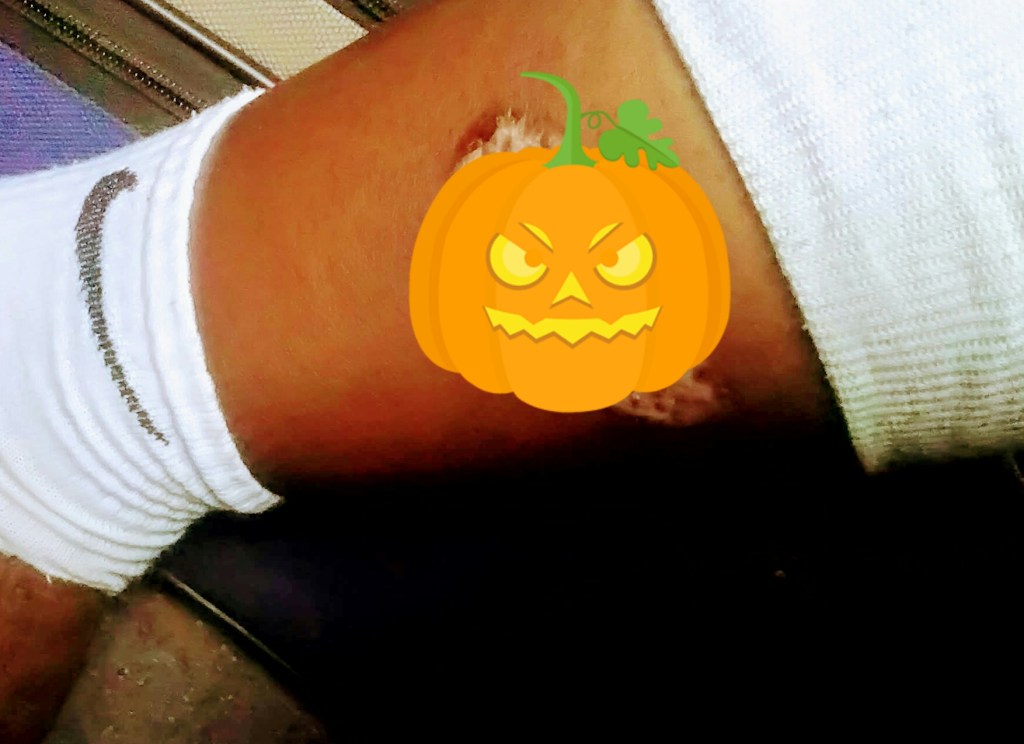
I had to go to the beach, this one time in Kenya for a day out. Shelly Beach it was. I got on a motorbike in a hurry because the rider appeared to be in a rush. With this rush, I did not know I had to check the exhaust pipe before I sat. It was hot and it burnt my leg. The rider should have given me a heads-up because I wore shorts. I got myself an accidental tattoo and this has been a reminder or unwanted souvenir of Shelly Beach.

I had to hide this a little

Sea shells

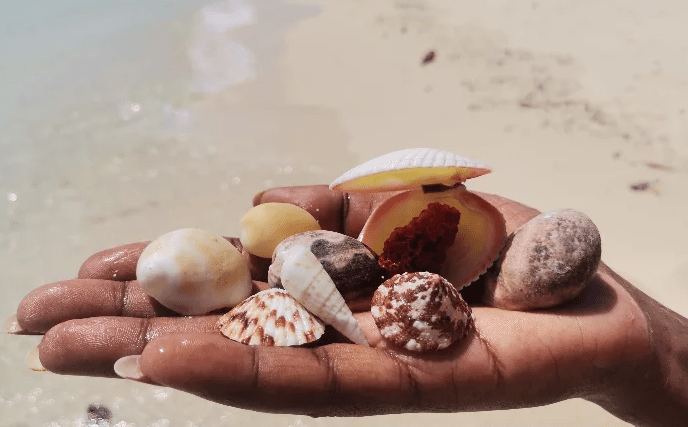
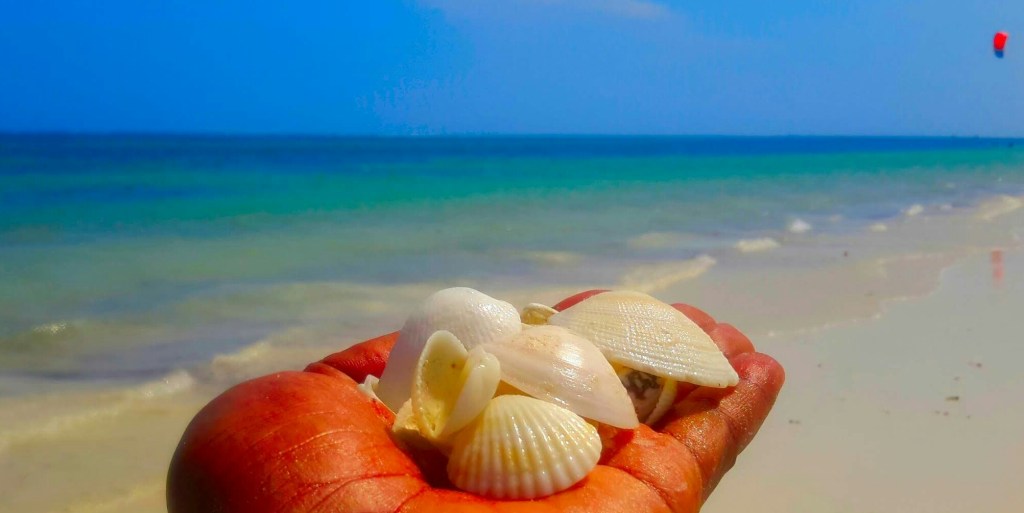
Don’t you just love sea shells? Having sea shells is always a reminder that I come from a landlocked country and the only time I can have them, is when I travel. Over the years, the biggest mistake has been collecting too many shells and this may not work to my advantage because it may be dead weight. Keeping a shell per country will be okay for now. When I was collecting lots of shells, I was hoping to spray-paint them and place them in a vase to make a house decor.

Crazy-myths’ keepsakes

Okay, so, everyone has that one crazy story some around them choose to believe, and that others think of as stupid. I have always invited you to bucket list The Victoria Falls and The Zambezi River. I have heard myths and wanted to have a keepsake of these myths but they appear too creepy for my liking.

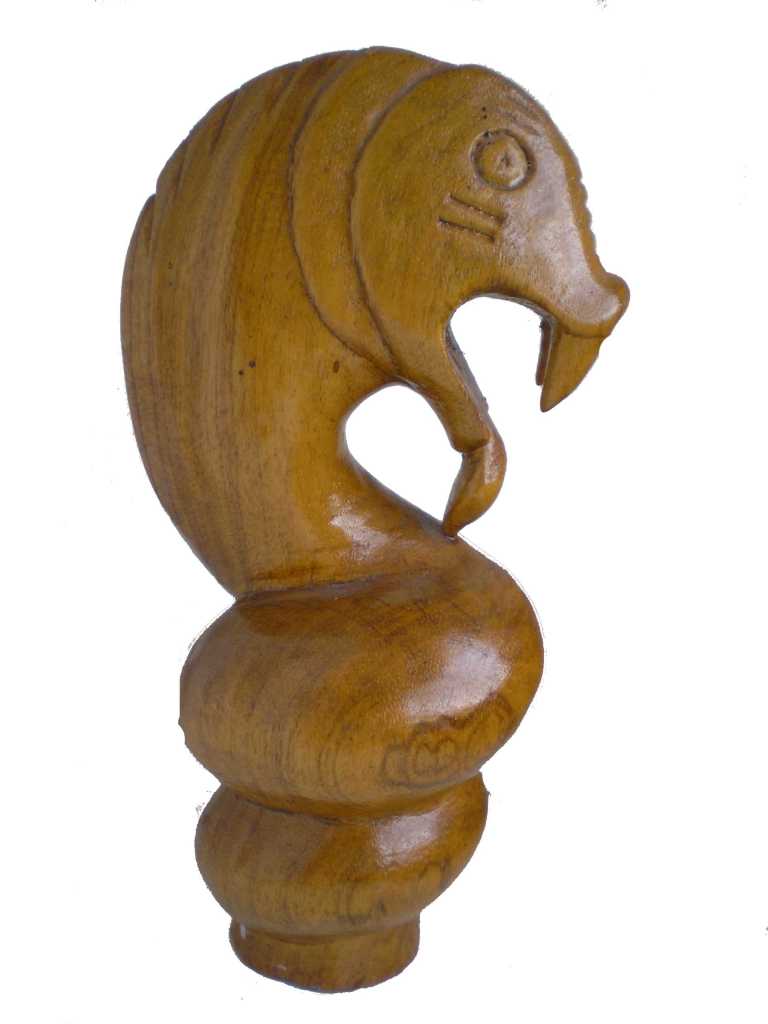
The thing is, these waters are said to house The Nyami Nyami river god. This Nyami Nyami is a long serpent-like creature and when it is about, do not dare as a local to be near because it will suck you down never to be seen again. I am glad that the many times I have been on these waters, Nyami Nyami must have been on vacay.

Photo creds: Wikipedia

Blog at WordPress.com.

Up ↑