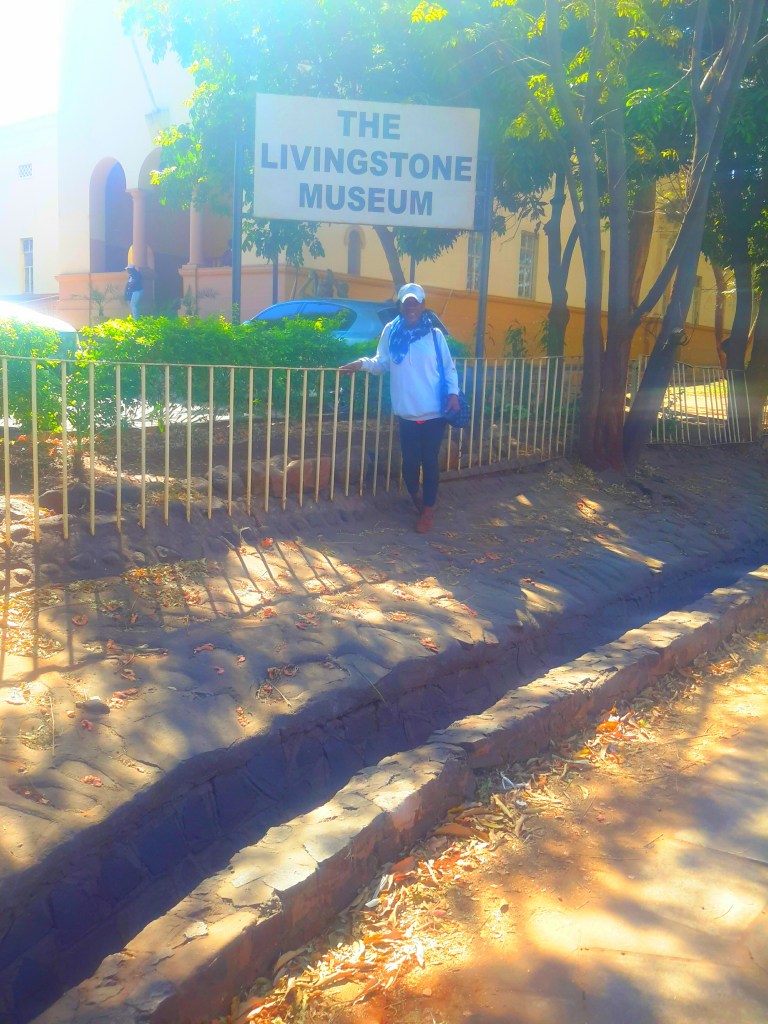
Exploring Zambiaโ€™s  History at The Livingstone Museum

Visiting The Livingstone Museum in Zambia is like stepping into a time machine, one that whisks you through the pages of history, culture, and the untold stories of a vibrant nation. As Zambiaโ€™s oldest and largest museum, it offers a treasure chest of artifacts and exhibits that bring the past to life. From the tools of ancient warriors to the personal belongings of legendary figures, every corner of the museum tells a story.

A Glimpse into Zambiaโ€™s Fight for Freedom

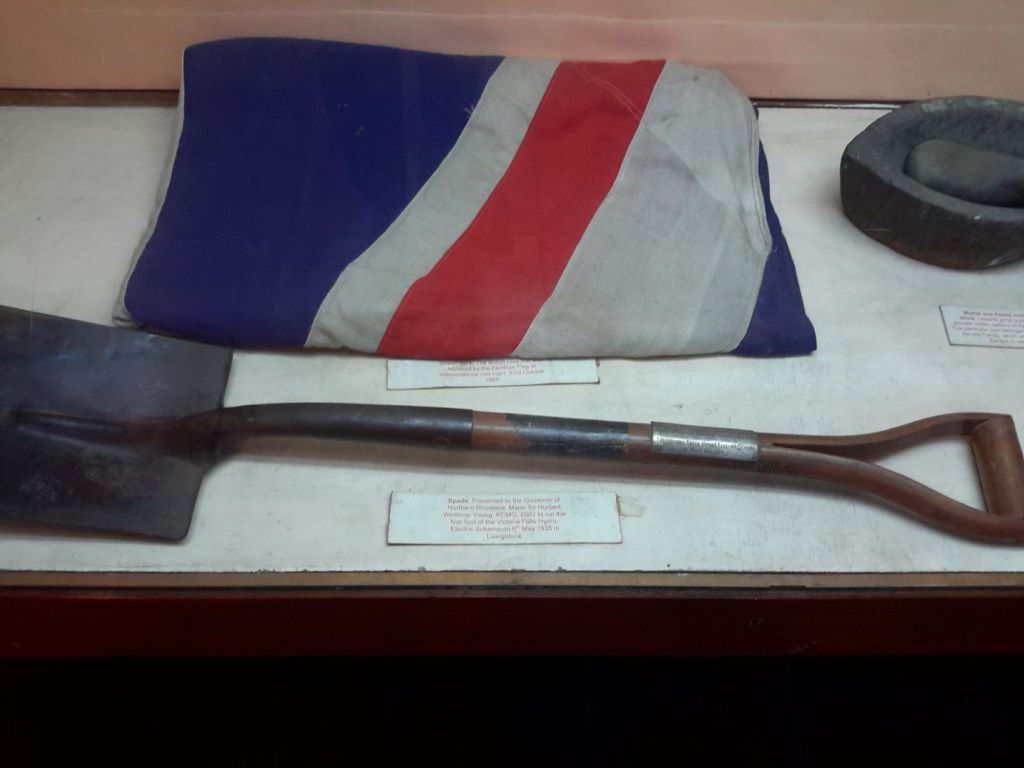
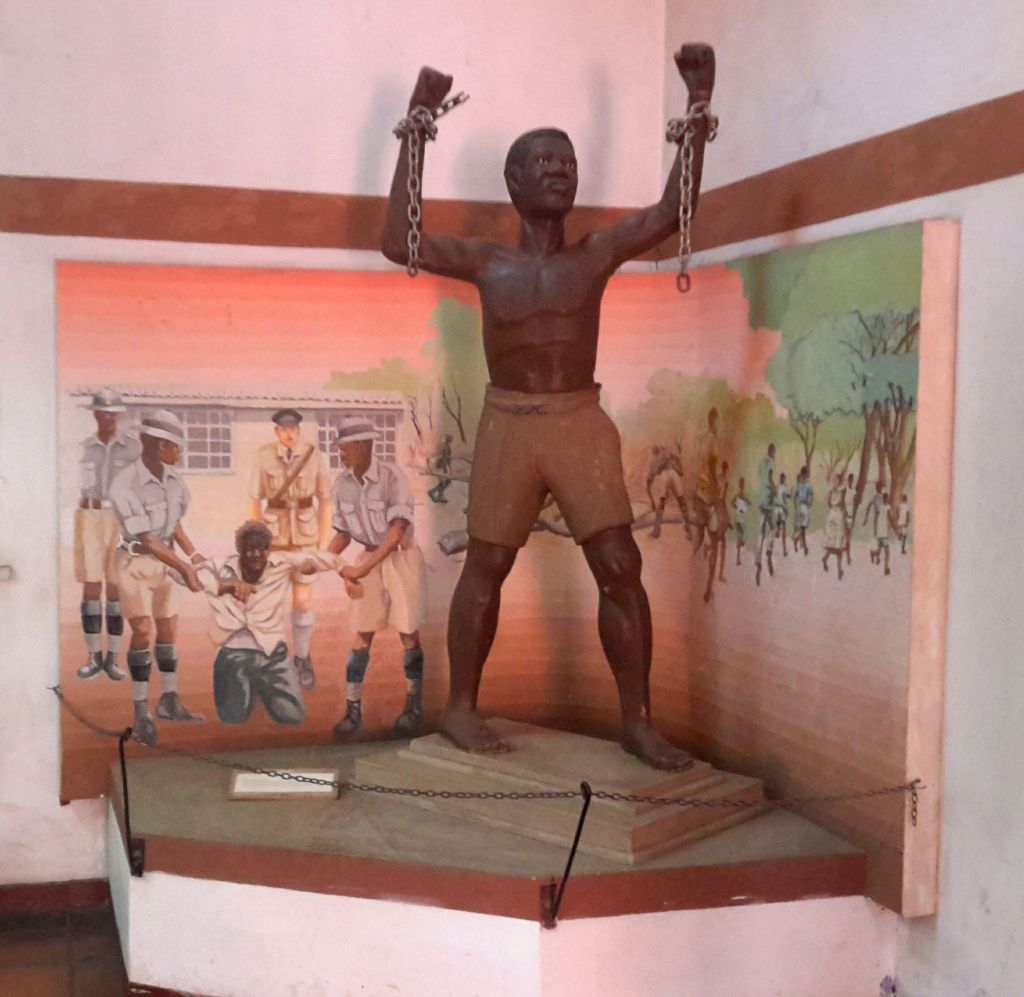
The story of Zambiaโ€™s independence is proudly showcased in the museum. A statue commemorating freedom from colonial ruleย stands tall, symbolizing the nationโ€™s journey from oppression to liberation. Next to it, the sight of theย British flagย reminds visitors of Zambiaโ€™s history as a British colony, aย  reminder of the courage of the Zambian people.The story of Zambiaโ€™s independence is proudly showcased in the museum. A statue commemorating freedom from colonial ruleย stands tall, symbolizing the nationโ€™s journey from oppression to liberation. Next to it, the sight of theย British flagย reminds visitors of Zambiaโ€™s history as a British colony, aย  reminder of the courage of the Zambian people.
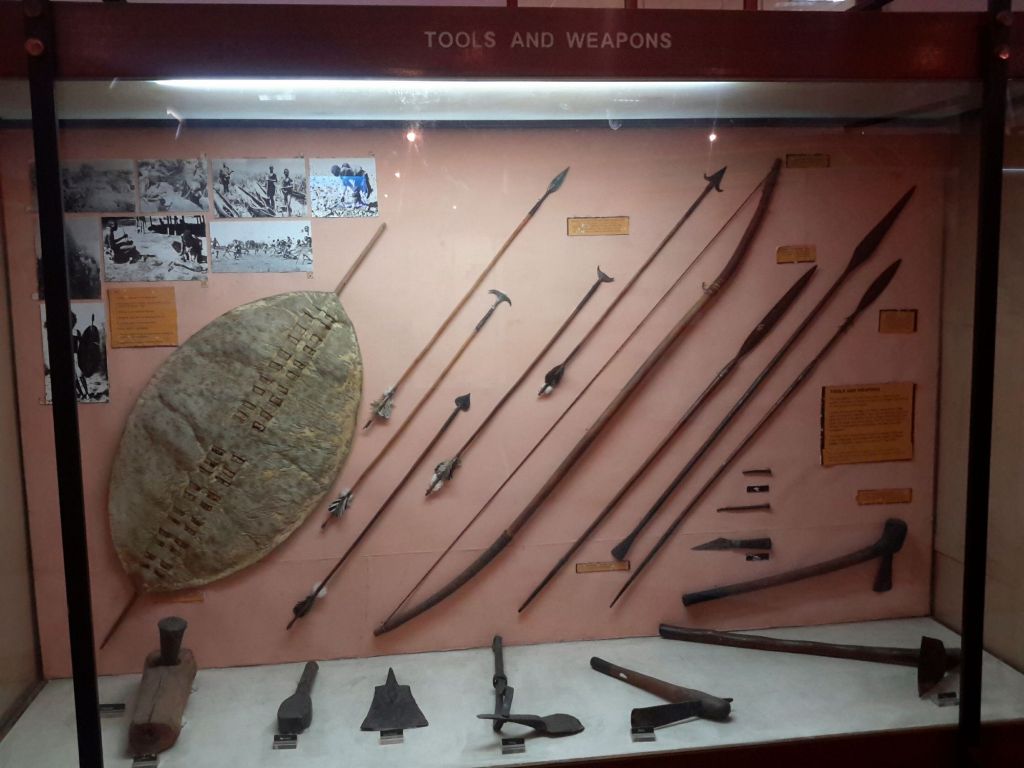
Youโ€™ll find traditional weapons like spears, bows, and arrows, used by Zambiaโ€™s ancestors for both hunting and protection. These artifacts offer a vivid connection to the bravery of those who lived long before the modern era.
The Legacy of David Livingstone

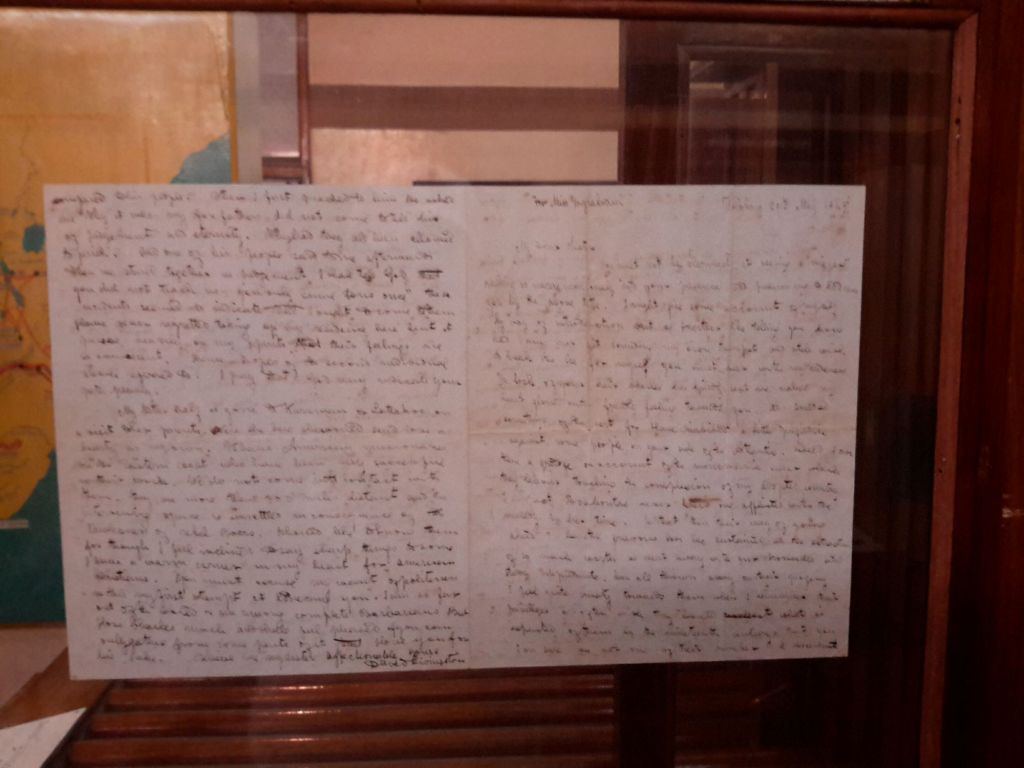
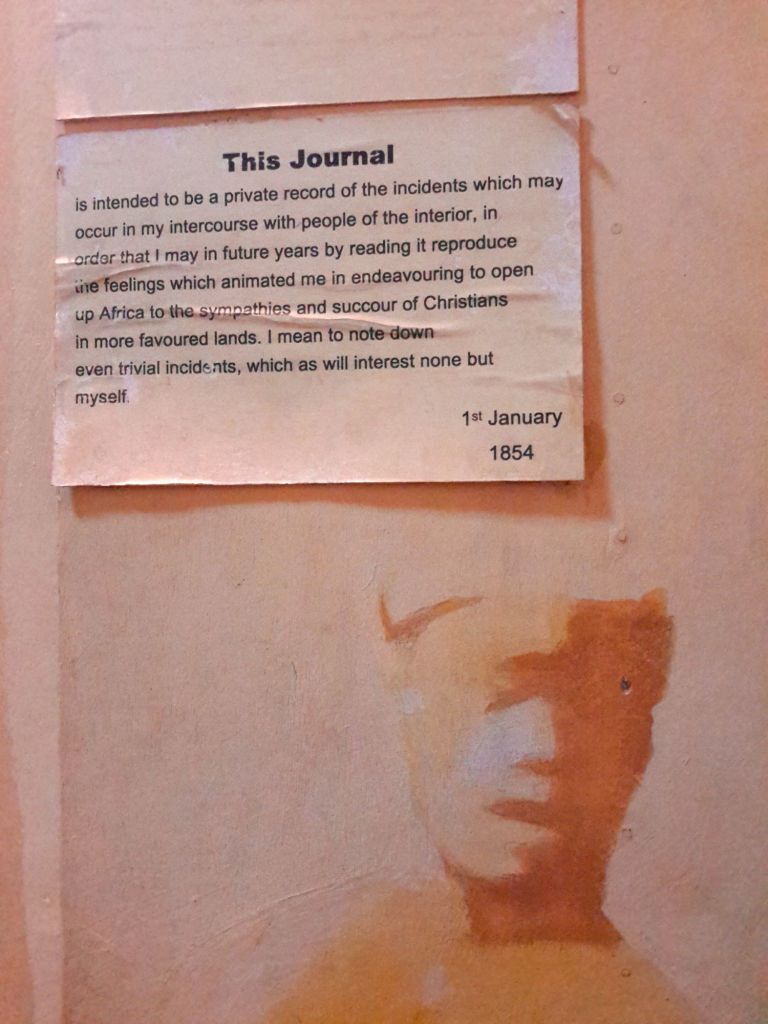
At the heart of the museumโ€™s collection is an impressive exhibit dedicated to David Livingstone, the legendary explorer and missionary. His personal items are on display, including his travelling trunk, which looks like a rugged, well-worn chest ready for an adventure. Youโ€™ll also see his coat, his letters, and even his journal, each offering a glimpse into the life of a man who explored territories and made history along the way.
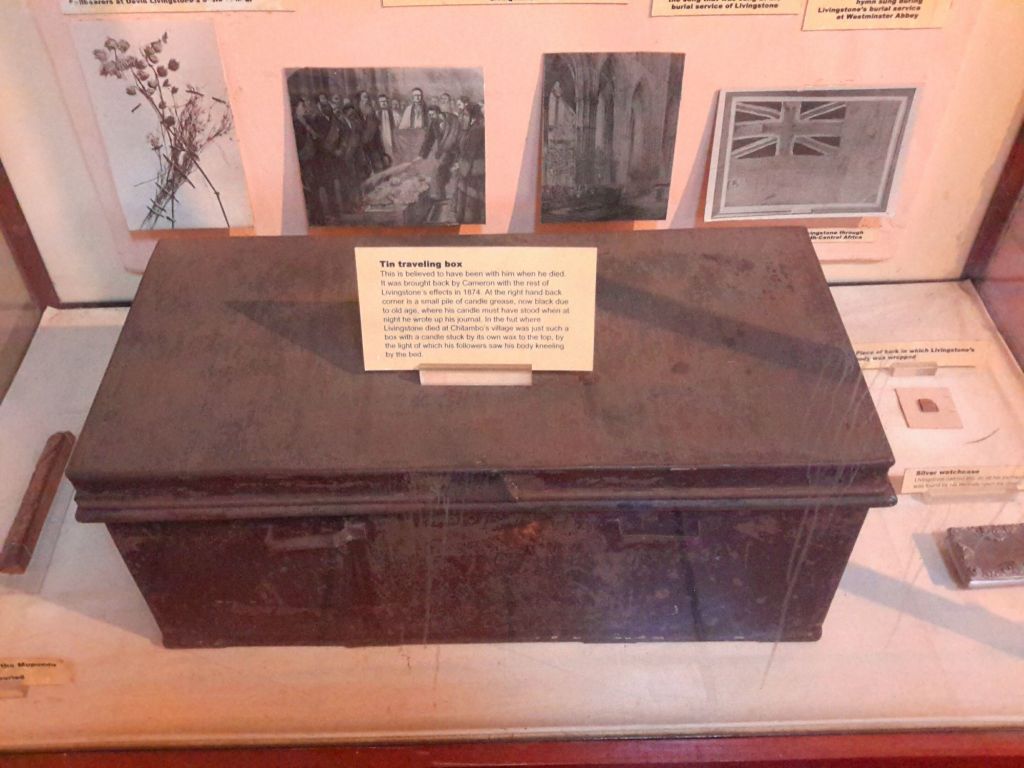
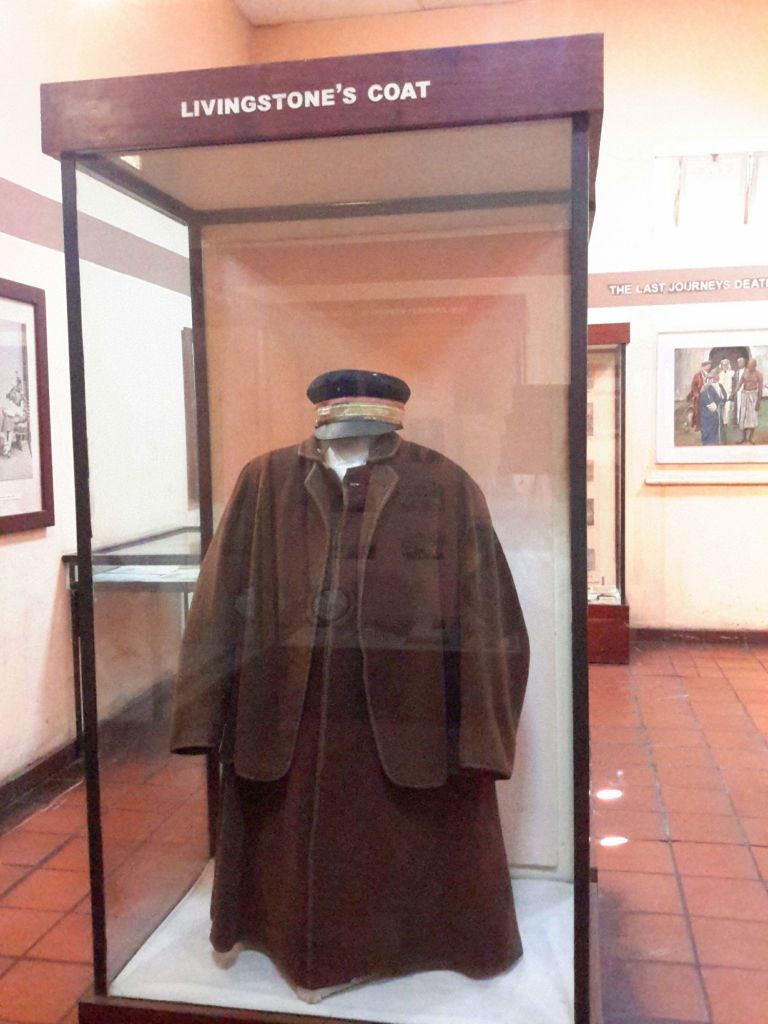
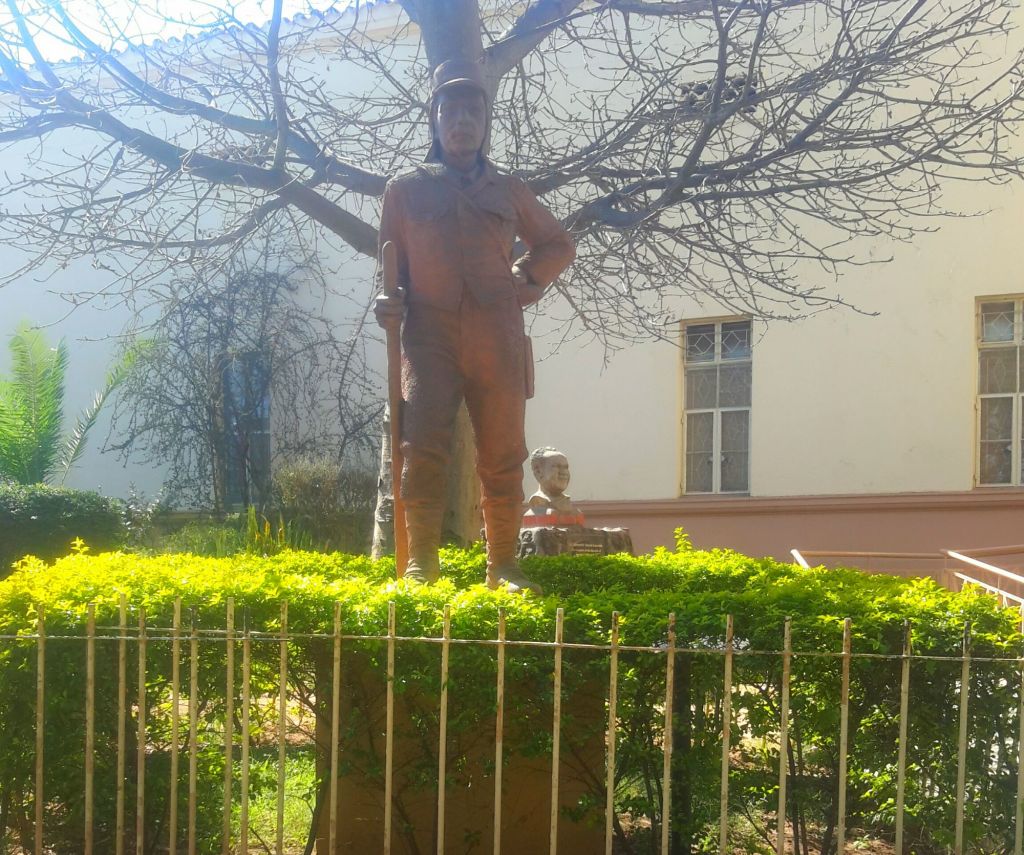
The museum also features a statue of David Livingstone, a reminder of his enduring impact on the region and its history. His story is intertwined with Zambiaโ€™s past, making this exhibit an essential stop for anyone curious about the countryโ€™s journey.

The Vintage VW Beetle Vehicle

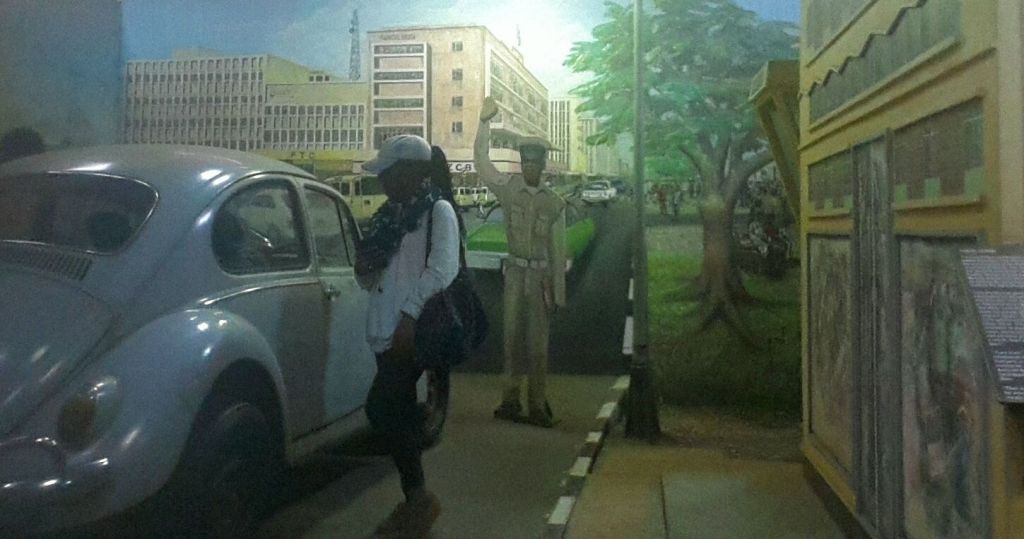
One of the most charming exhibits in the museum is a vintage vehicle. Its unusual design makes it stand out among the historical displays, offering a fun and unexpected element to your visit. This car was once used in Zambia, and its presence in the museum adds a delightful touch of the past.
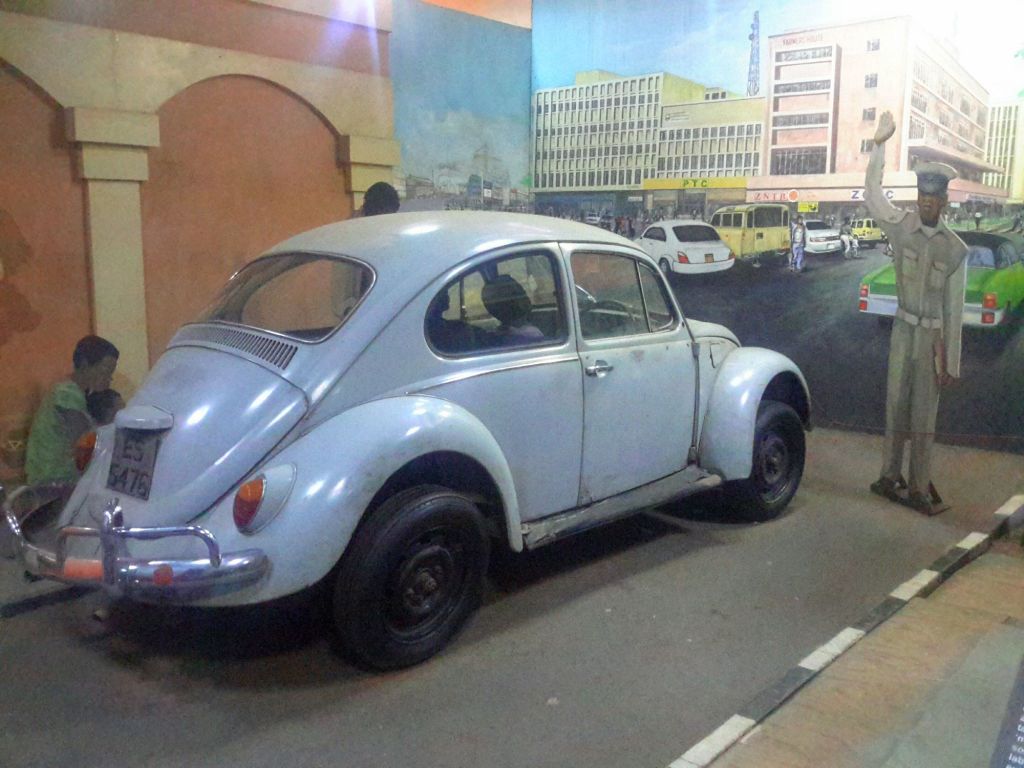
Panoramic Views of Zambiaโ€™s Past

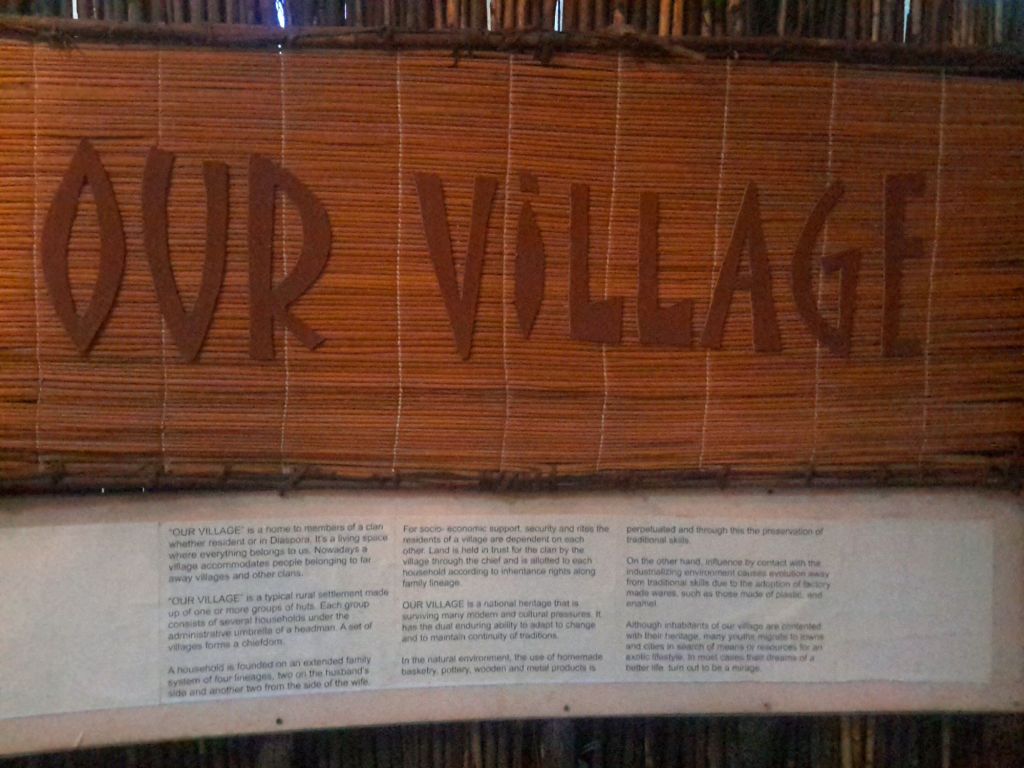
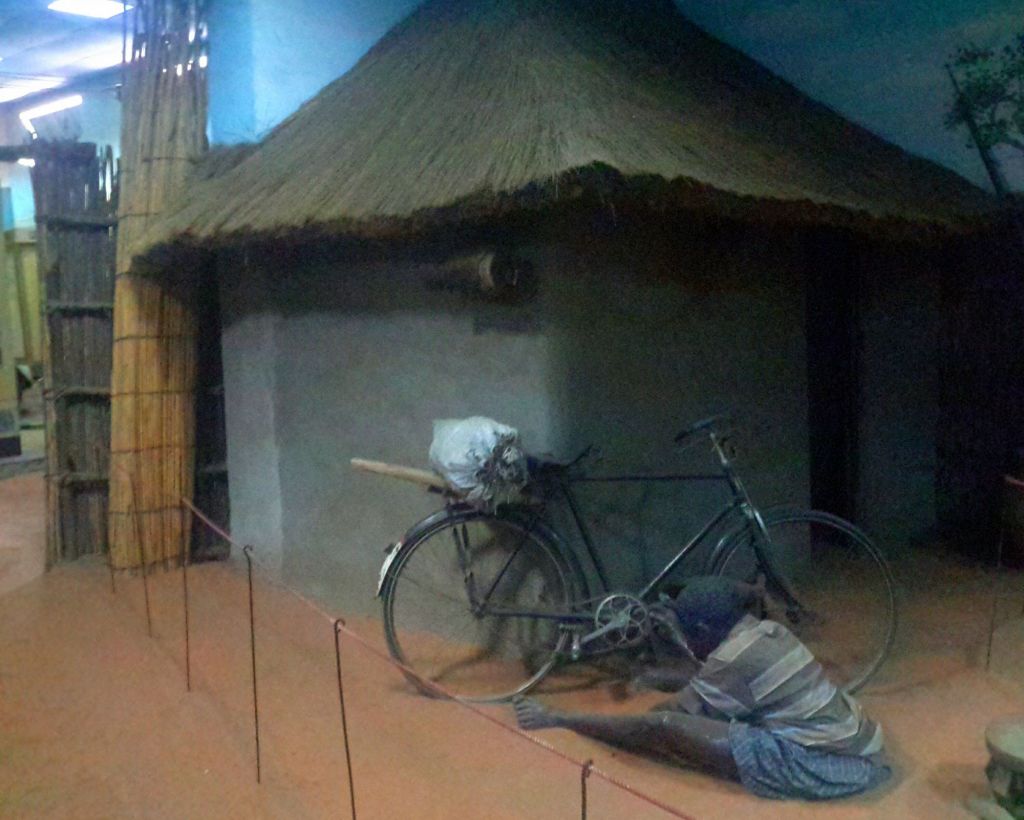
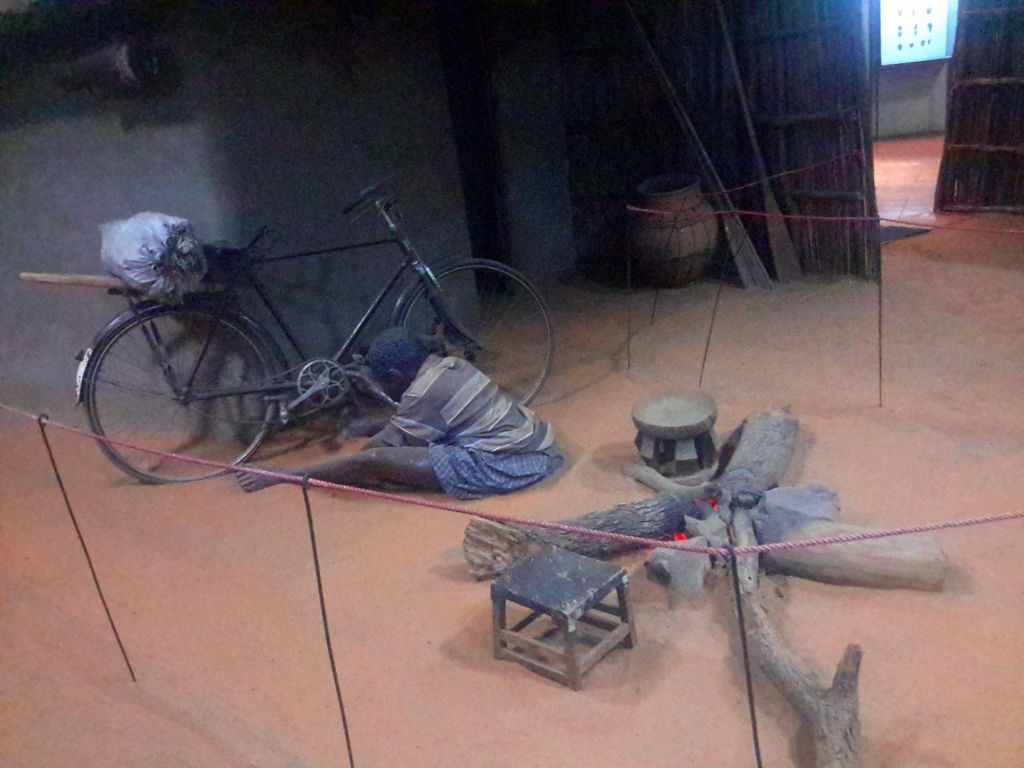
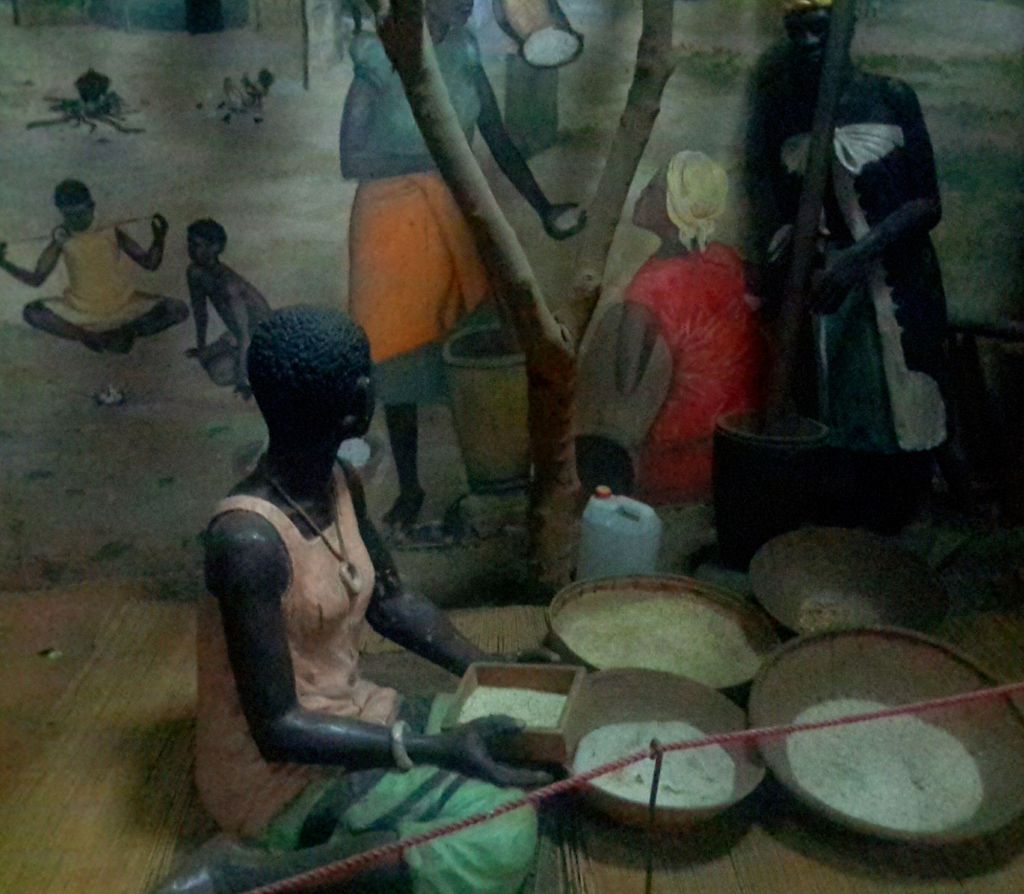
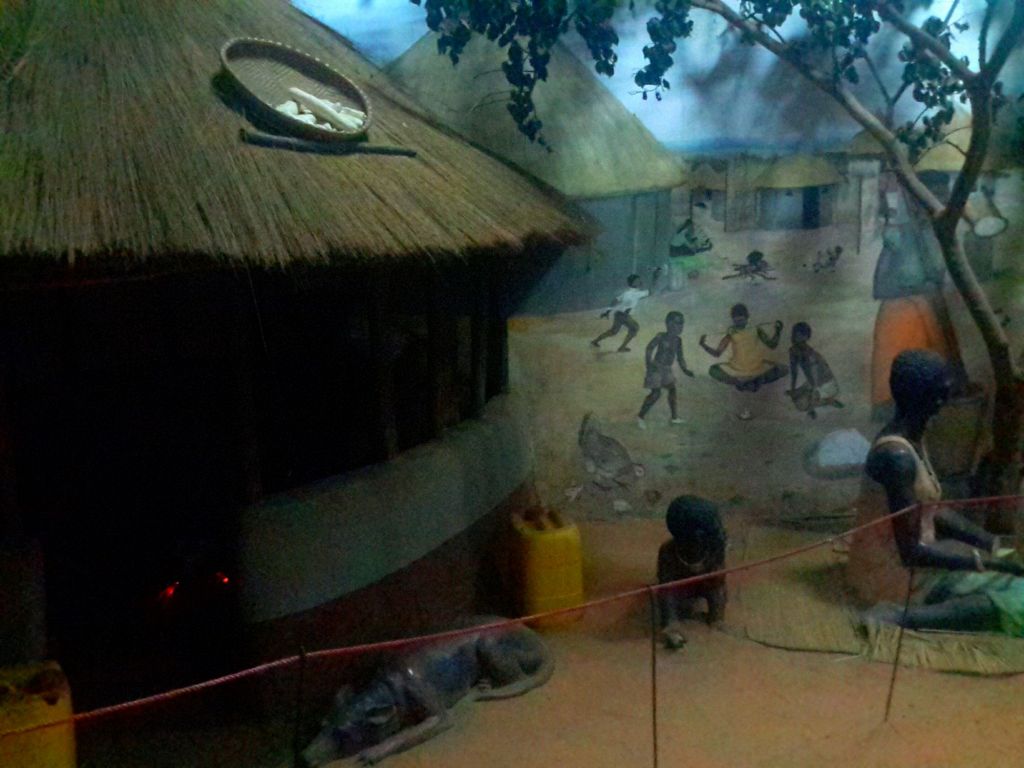
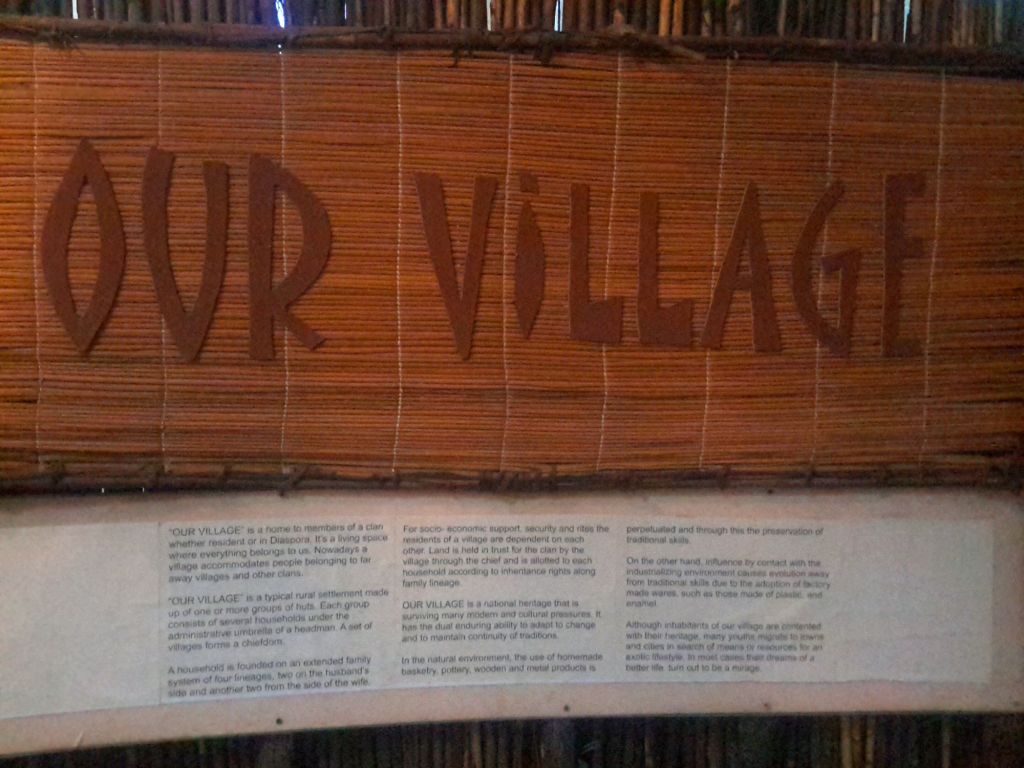
The Livingstone Museum doesnโ€™t just tell stories, it immerses you in them. One of its highlights is a breathtaking panorama of a traditional Zambian village. This display recreates the sights and sounds of village life, complete with huts, tools, and scenes of daily activities. Walking through this exhibit feels like stepping into another time, offering a profound connection to Zambiaโ€™s cultural roots.

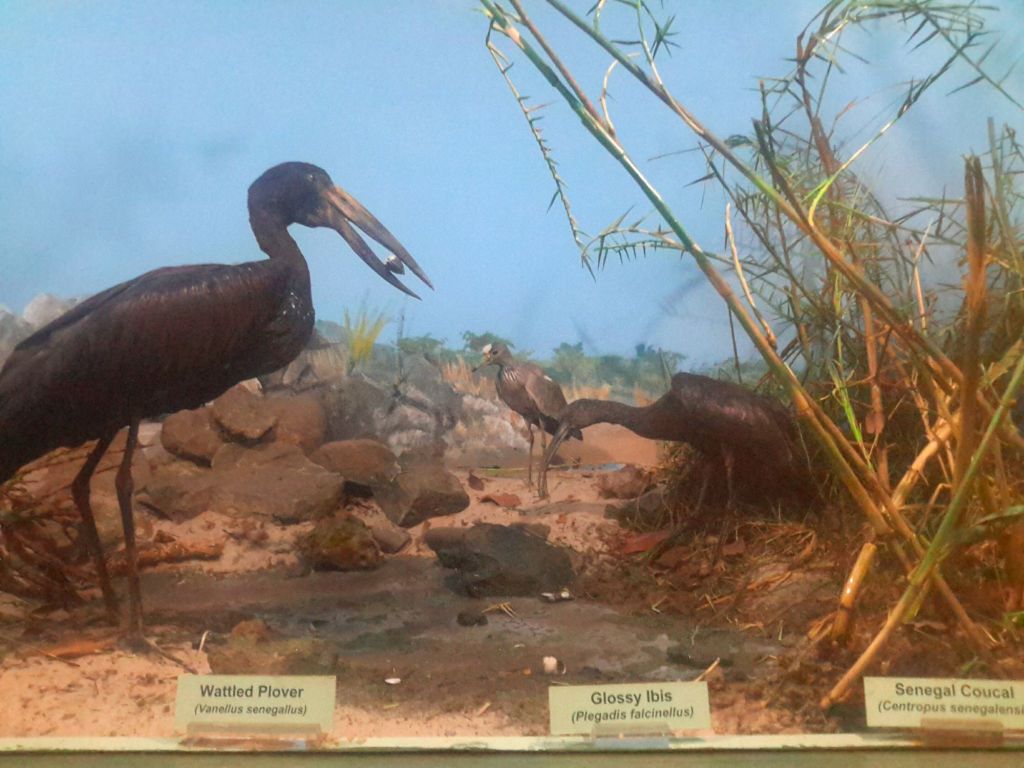
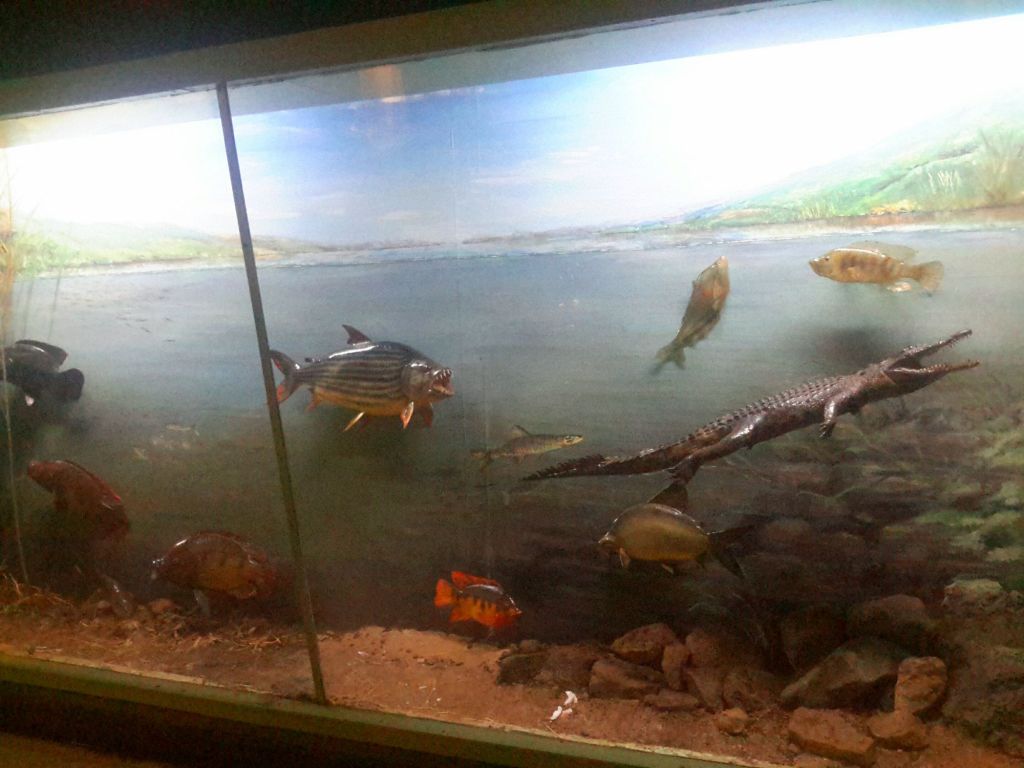
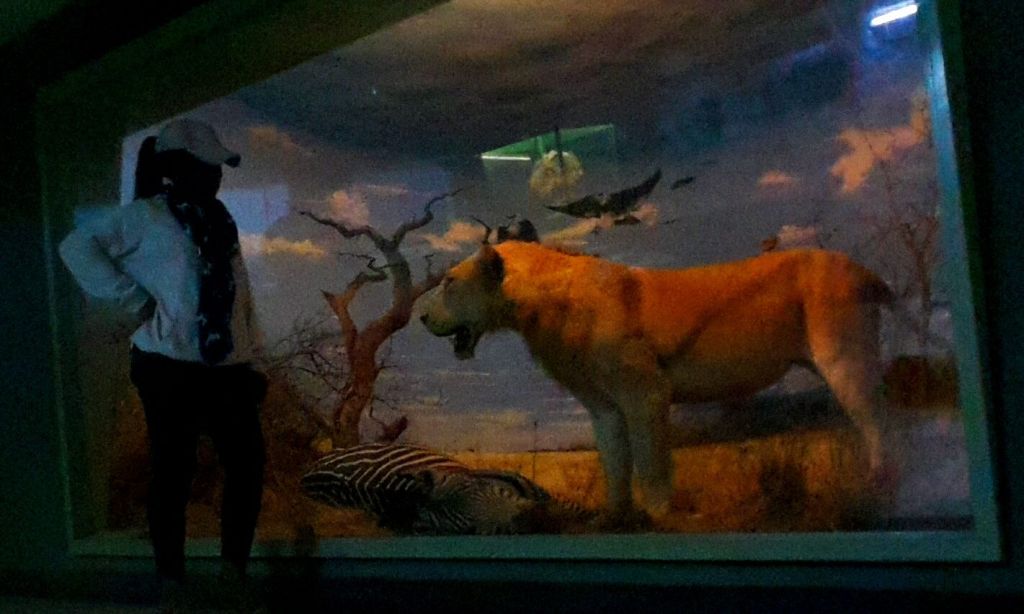
Nature lovers will also appreciate the museumโ€™s natural history section.

Here, youโ€™ll find displays including the skeleton of the isamupati, that is in folded like poster showing in what style olden people buried others. But perhaps the most intriguing exhibit is the Broken Hill Man skull, an important anthropological find. While the original skull is currently housed in the UK, the museum displays a detailed replica and shares plans for its return to Zambia, a move that will further enrich its collection.
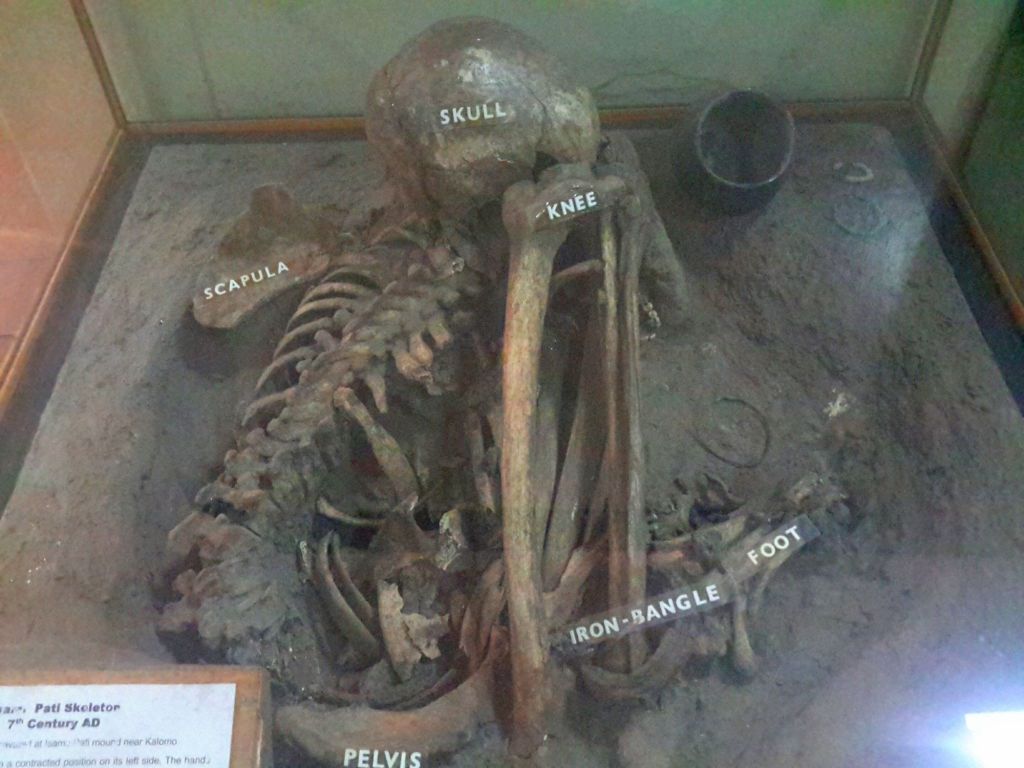
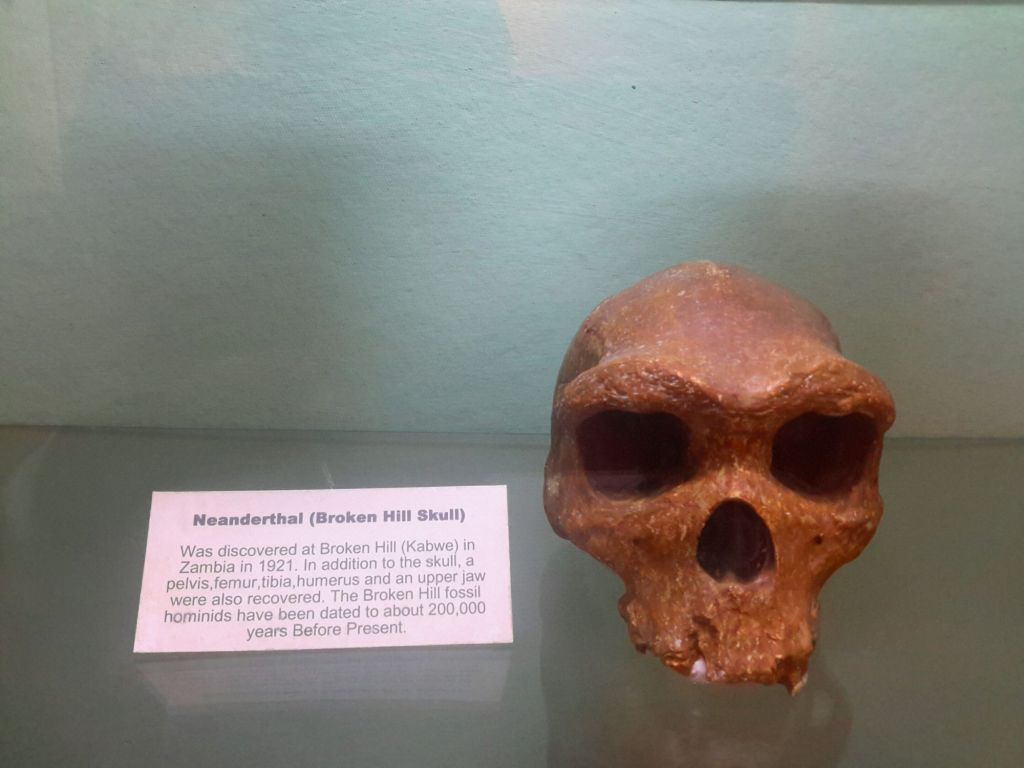
For , culture enthusiasts, or anyone with a curiosity for the past, this museum offers an unforgettable experience. Its carefully curated exhibits and immersive displays ensure that every visitor leaves with a deeper appreciation of Zambiaโ€™s heritage.

Kenneth Kaundaโ€™s Chilenge House: A Symbol of Leadership

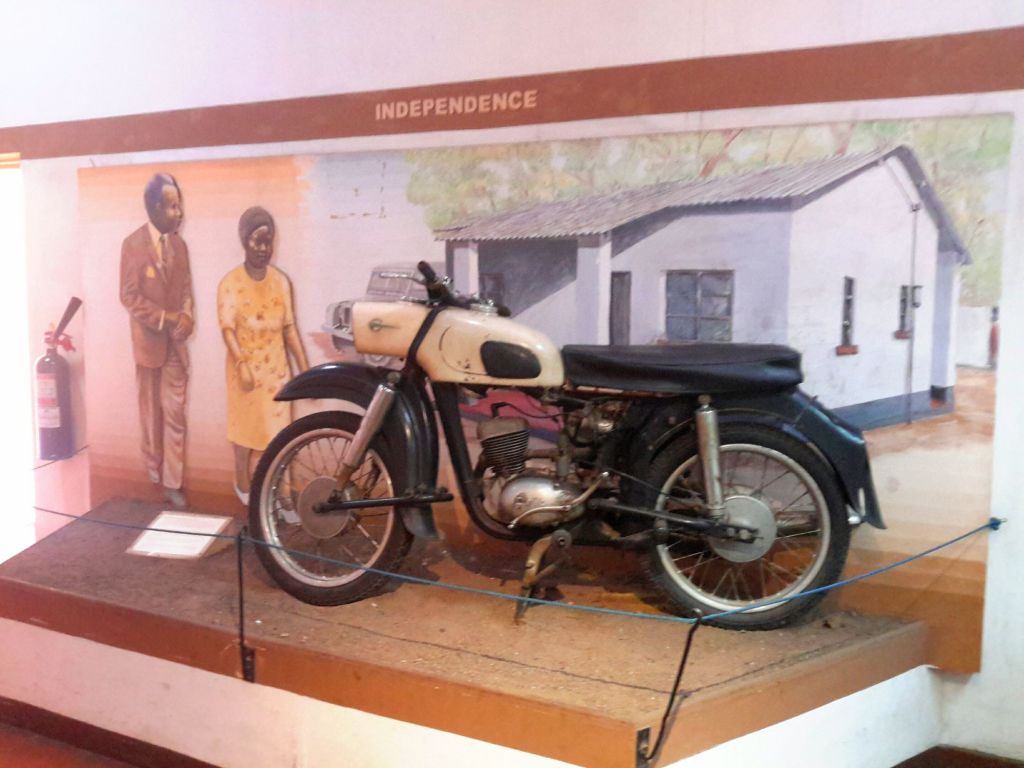
No visit to the museum would be complete without learning about Kenneth Kaunda, Zambiaโ€™s first president and one of the most influential figures in the countryโ€™s history. The museum features a view of his Chilenge House in Lusaka, where Kaundaโ€™s leadership and vision began to take shape including the motorbike he used. This exhibit honors his legacy and highlights his role in shaping modern Zambia.
Why The Livingstone Museum is a Must-Visit

The Livingstone Museum is more than just a building filled with artifactsโ€”itโ€™s a living, breathing celebration of Zambiaโ€™s rich history and culture. Whether youโ€™re marveling at the tools of ancient warriors, admiring David Livingstoneโ€™s personal belongings, or stepping into a recreated Zambian village, every moment spent here is an opportunity to learn, reflect, and connect.

A Journey Through History: Exploring the Fascinating Railway Museum

Learning is a continuous process that has no age or time restrictions. Like the waves of the ocean that never stop arriving to the shore, it is a continuing process that is always seeking for new knowledge and experiences. No matter how long we have been on this world, we should never stop seeking knowledge.”

In today’s fast-paced society, it is simple to fall into the misconception that learning ends when we have finished our official schooling. While learning sculpts and moulds us into the people we become, education may provide us with a foundation.

Learning transforms and broadens our perspectives. It offers us access to opportunities and empowers us to have a good impact on both our communities and the world at large.

In maintaining and presenting our common cultural history, museums are essential. These magnificent institutions serve as more than just storage facilities for artefacts; they also serve as portals into the past.

When you enter a museum, you will be surrounded by actual reminders of the past. The hardships, victories, and achievements of people who came before us are memorialised in priceless works of art, and historic artefacts.

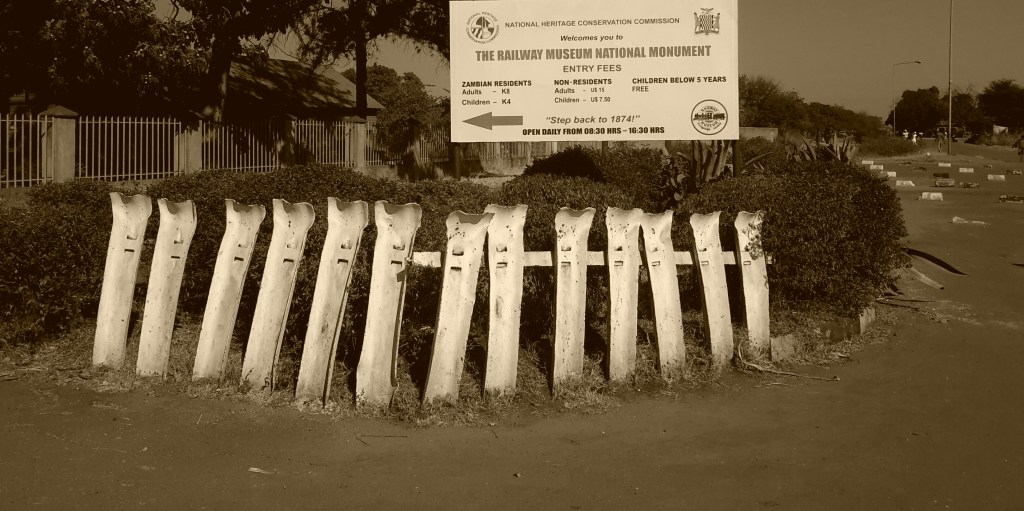
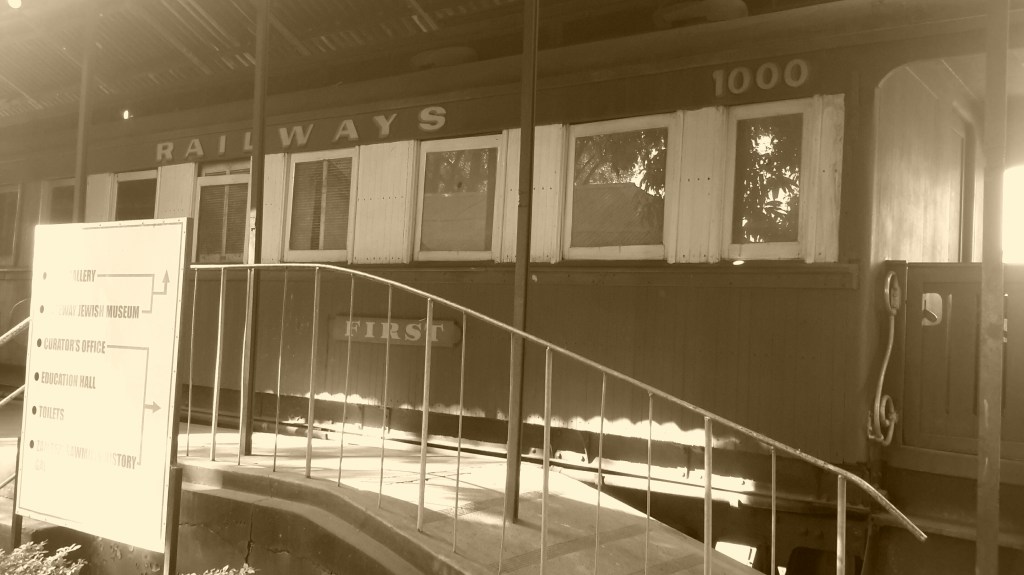
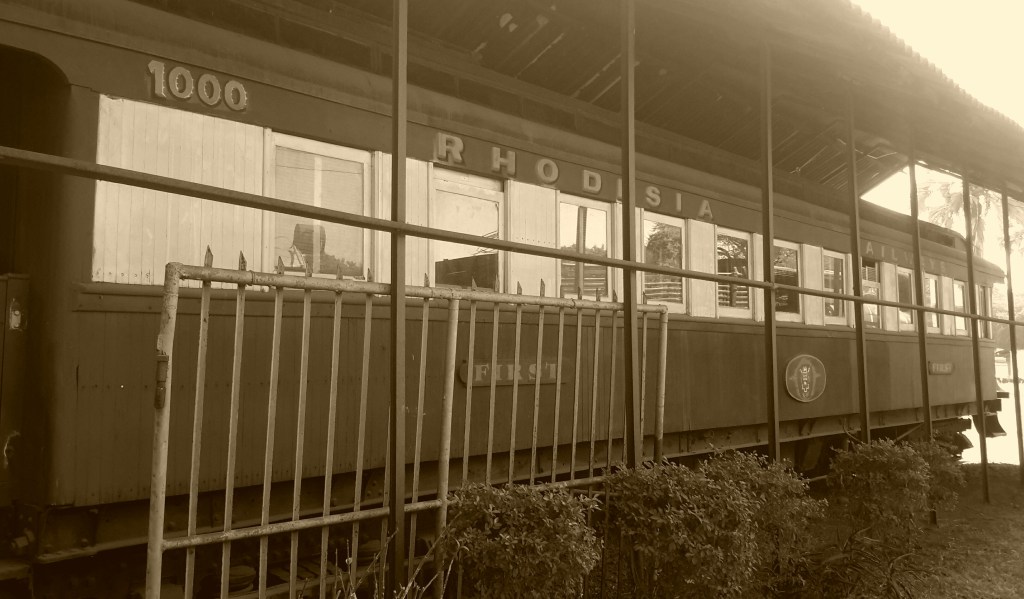
I had an exciting plan for the day and got up bright and early with eagerness. I was going to the famed Railway Museum in Zambia’s stunning Southern Province. This museum highlights the history of Zambia’s railroads and offering a look at the world of trains in the past.

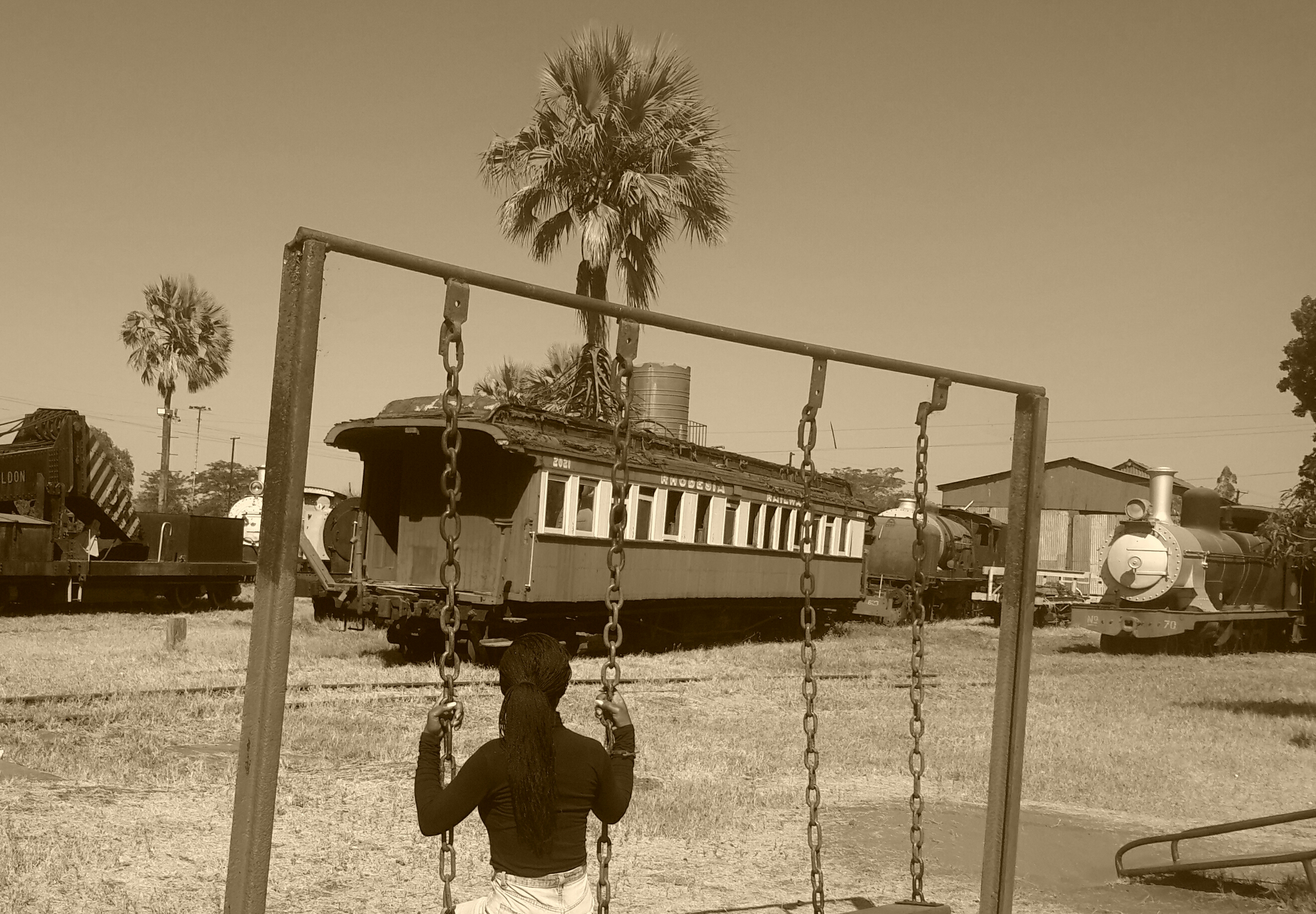
As I travelled to the museum, I couldn’t help but think about what it must have been like to ride on these locomotives in the past. As soon as I stepped inside, I was in a another time period. including vintage images, models, and actual relics on display.

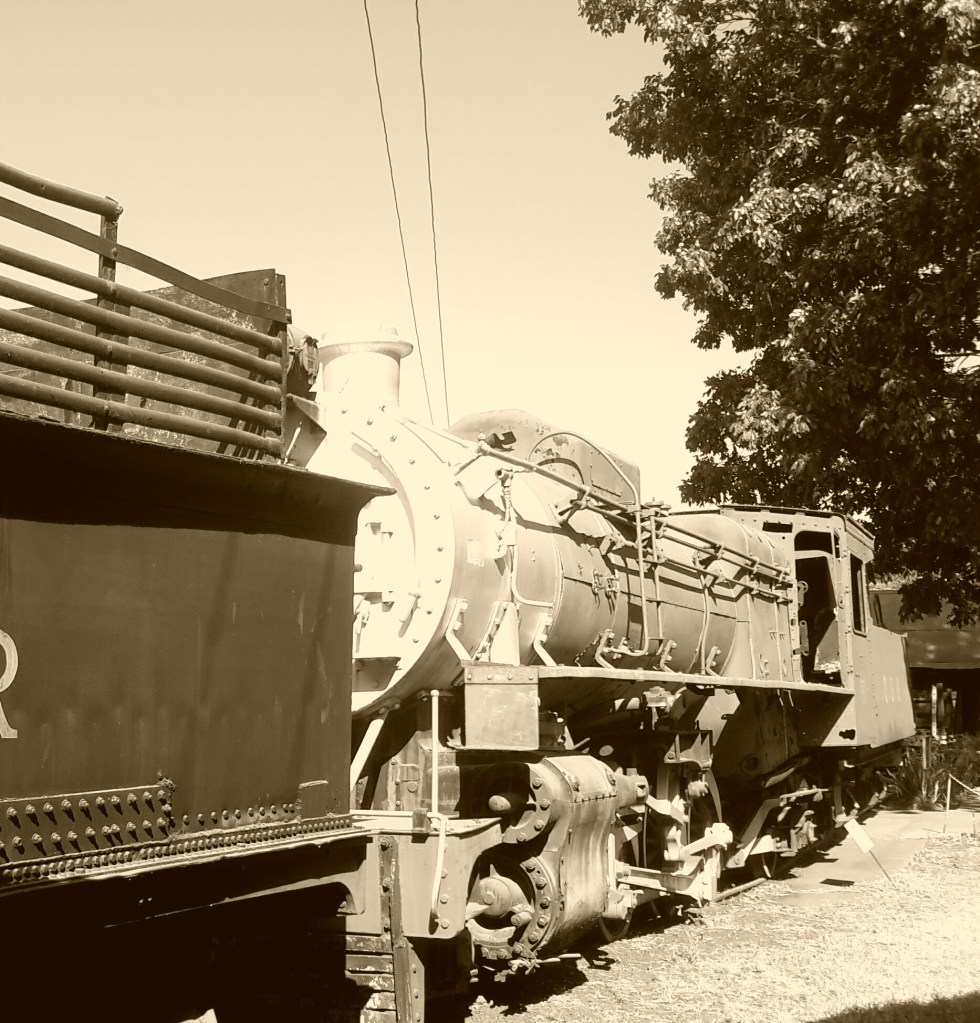
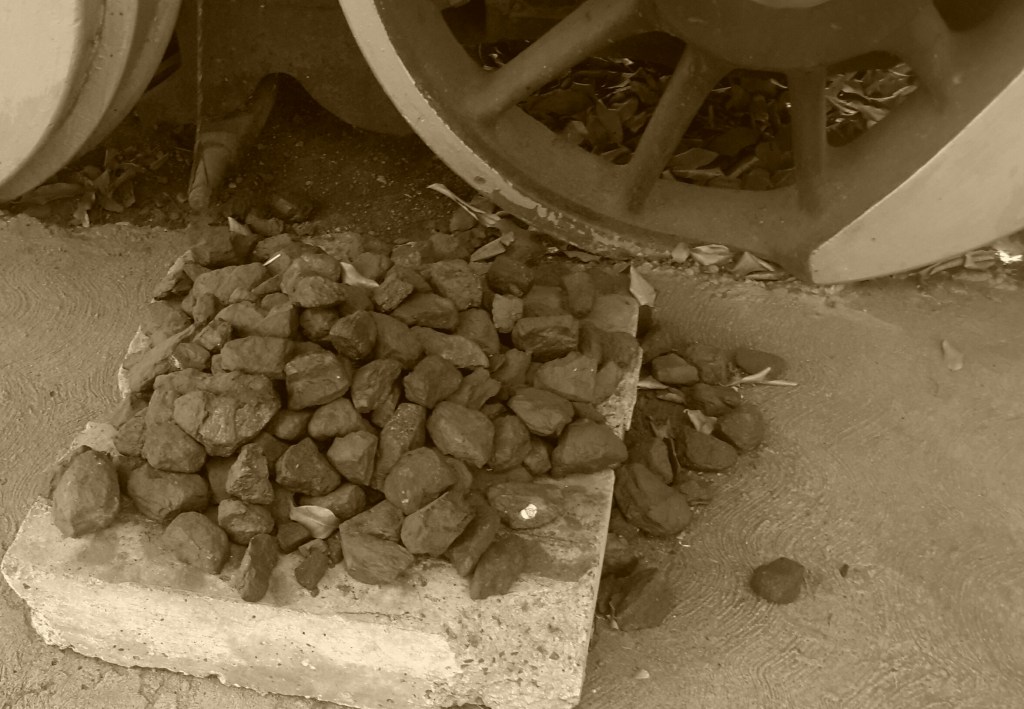
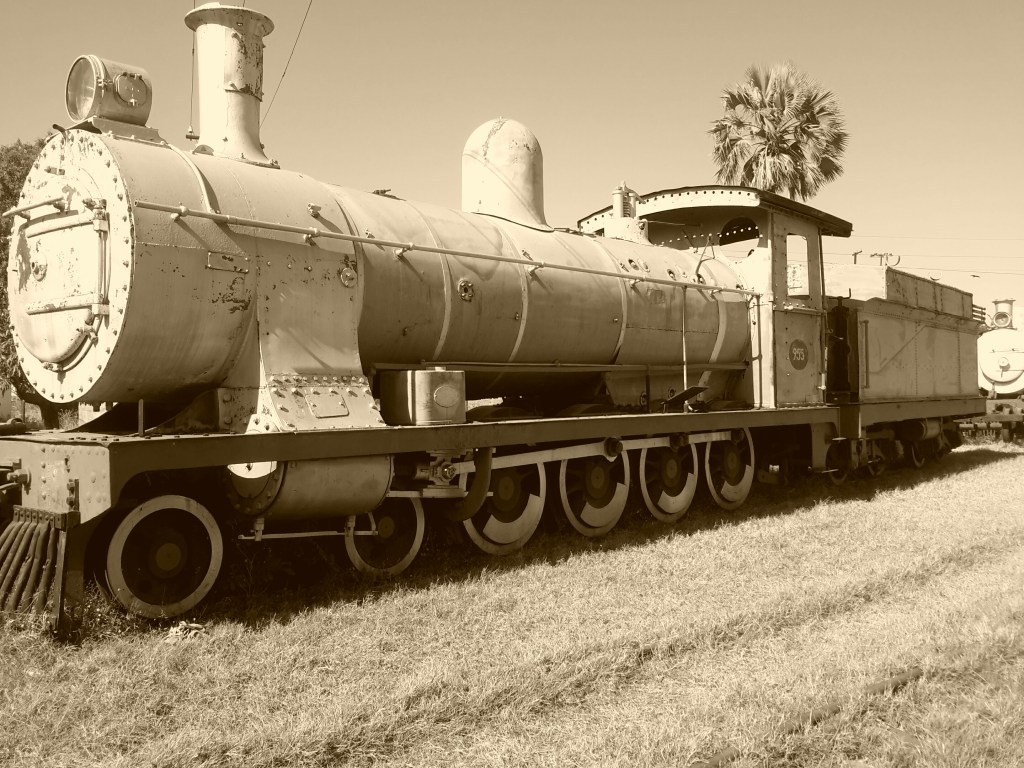
The collection of steam engines, was one of the museum’s highlights. It was impressive to see these locomotives, with their wheels and brass finishes. These devices, powered by coal and pure mechanical force, had formerly linked towns and communities, aiding trade and transportation.

As I explored further, I discovered an array of exhibits that showcased the various aspects of Zambia’s railway history. I learned about the challenges faced by the early railway pioneers.The museum also shed light on the vital role that trains played in the development of the country, linking remote regions and enabling the transportation of goods and people. It is just disappointing now that the railway companies in Zambia are not doing too good. They could use a facelift.

The History of the Museum

The Railway Museum also known as Zambezi Sawmills Locomotive Sheds after some national reforms that came with the independence of the country, was left abandoned. A monuments commission in the country took over managing it and declared it a national monument. Later on in 1987, after some restoration works, it was opened officially by the first president of the country then.

Some Exhibitions you will find

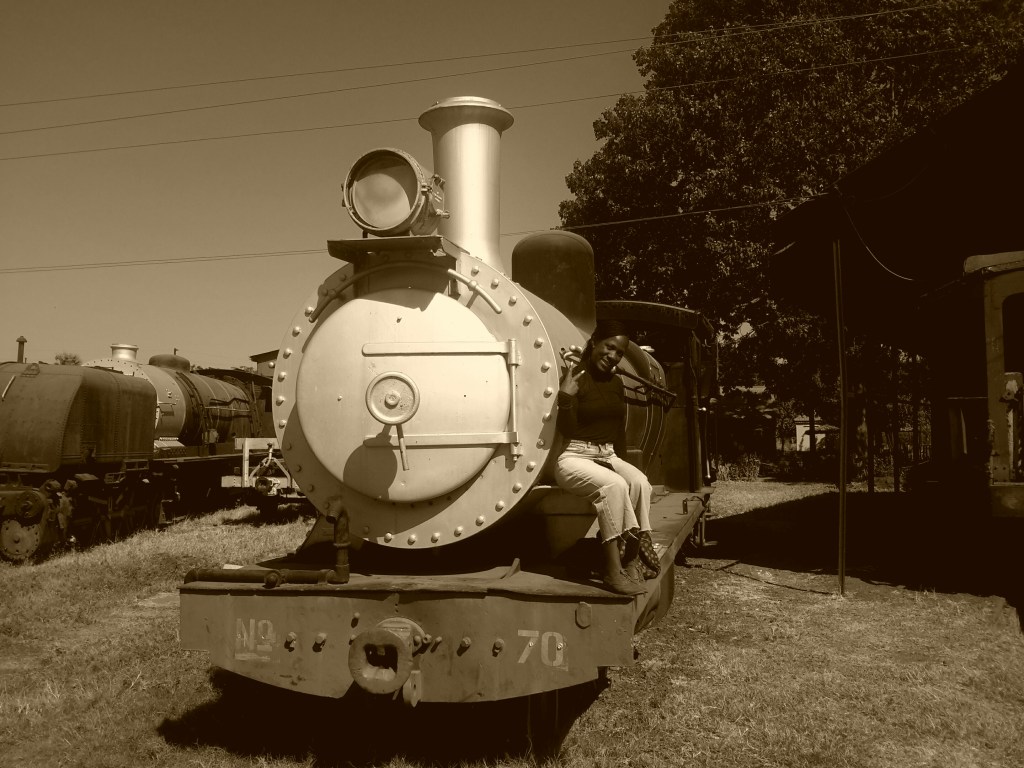
7th Class Engine Number 70 was built by Neilson, Reid, and Company in 1900, and in Zambia, the original owner was Rhodesia Railways ( Zambia’s former name was Northern Rhodesia). In 1925, it was then purchased by Zambezi Sawmills. It was the first steam locomotive. Some of its routes in those days were Bulawayo, Zimbabwe, and Zambia routes. It is the longest-serving steam engine in Zambia.

G Class Number 57 was built by North British Locomotive Company in 1957/8. It was built foe Nigeria Railways and the East African Railway. It was originally owned by Nyasaland (now called Malawi and nicknamed ‘Jubilee’ and was purchased by Zambezi Sawmills in 1970 at a price I found to be so funny now, 322 Kwacha (Zambian Currency) or 16 dollars, then. It was mainly used in construction of the Mulobezi Railway line.

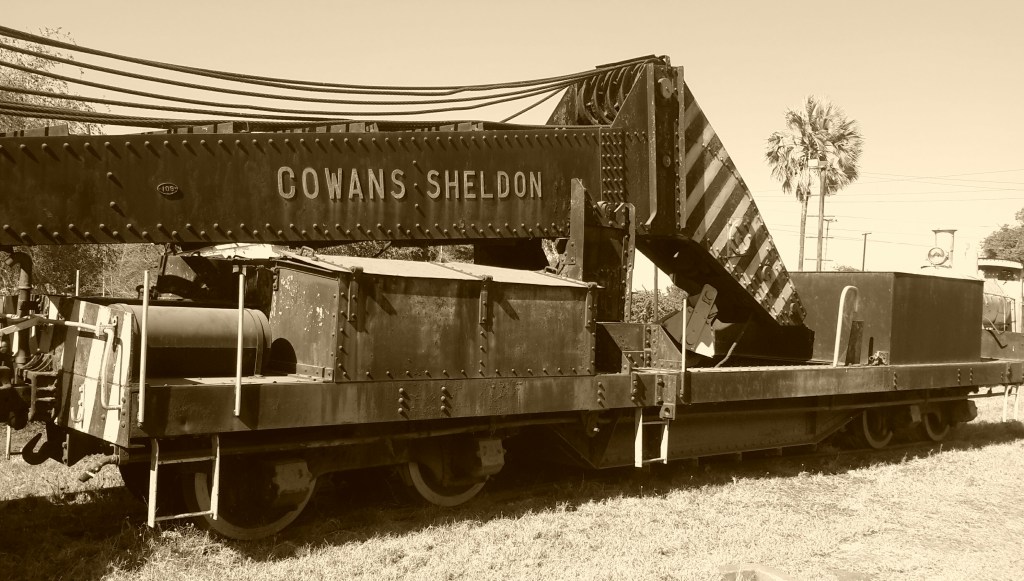
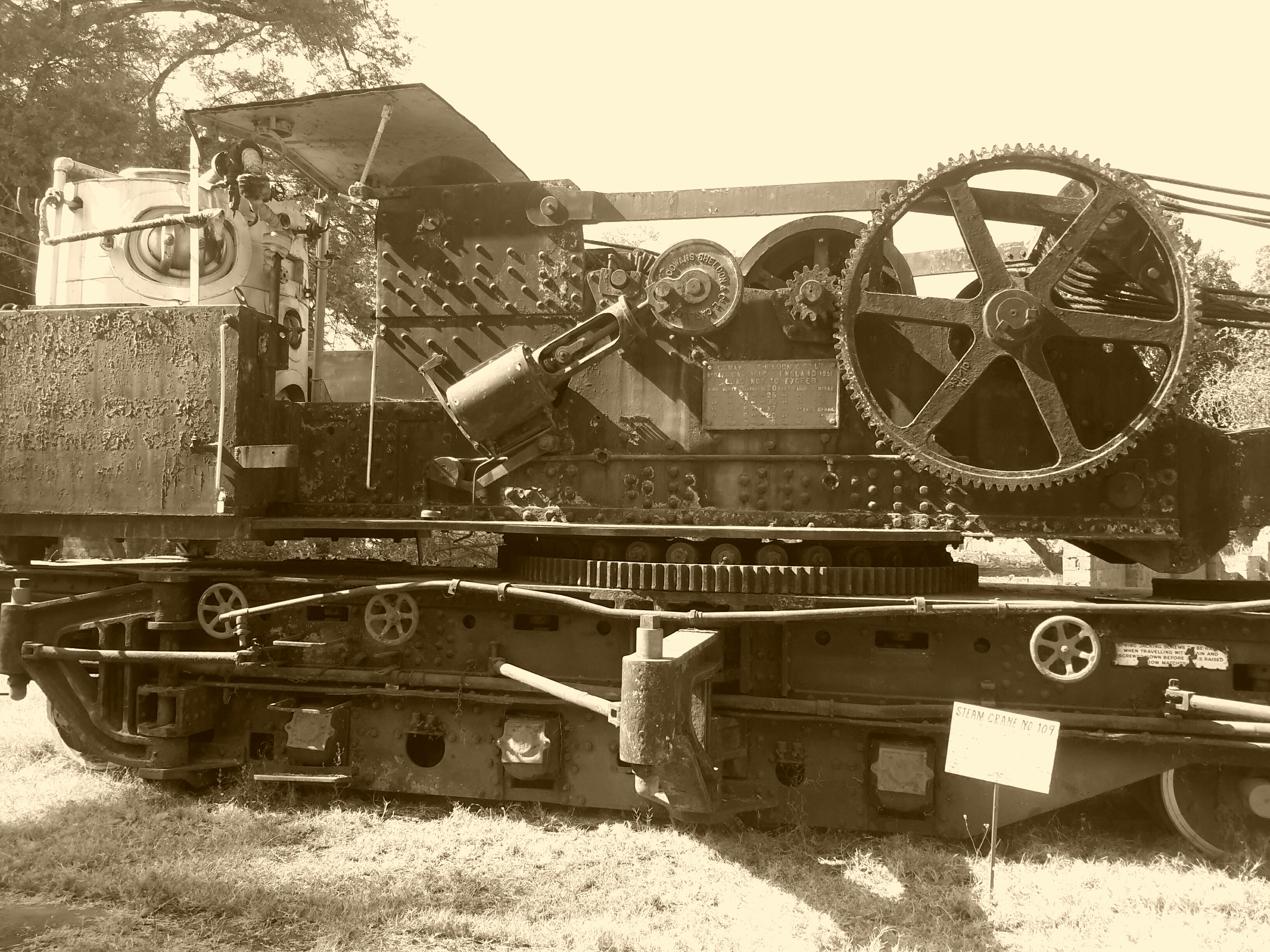
Steam Crane Number 109 built by Cowan Sheldon and Company limited in 1951 and the original owner was Rhodes Railways and the second owner was Zambia Railways. This steam crane also helped in the rescue of two passenger trains that crashed on 17th January, 1996 near a town called Kalomo. A good number of coaches over turned and had a lot of casualties.

How the Steam Engine works Display

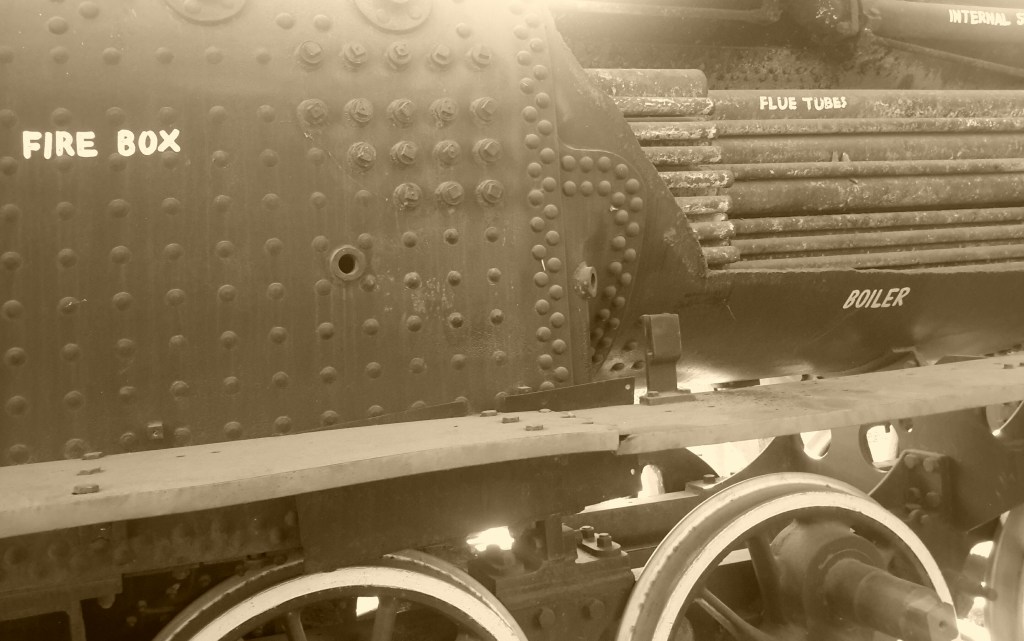
As I kept up with my tour, I found this steam train with all sorts of labels showing how it works. From my observation, it appeared like the steam is generated by injecting water into a the boiler from the tank in the tender.

Then the heat energy from the fire box is transferred to the water boiler through the sides of the fire box, tube plates, smoke tubes known as heating surface. Changing water into vapour known as saturated steam is admitted into the internal dry pipe leading to the saturated side of the steam heater header and in the process closing the greasy air valve.

The saturated steam enters the element tubes where it travels twice in each direction. The hot gases passing through the flue tube to the smoke box further heats the saturated steam in the element tubes hence the steam becoming super heated and enters into steam pipes leading to the steam chest and piston valve head. With the valve open, steam enters the cylinders completing its power stroke. The exhausted steam is forced back through the port to the exhaust passage through the blast pipe and cap through the chimney into the atmosphere.

I think the short trip to this museum was worthwhile and I walked away knowledge-packed.

Awesome Southern African cities you should visit in 2023 (Part 2)

The last time I filled you in on which cities you shouldn’t leave Southern Africa without seeing, I did mention that it’s good I have had to learn about my bucket-listed cities via blog posts, TV,and the like and that without them, I would not even know about certain parts of the world I desire to travel to. Today I am so geared to share with you the other cities around Southern Africa you should visit in 2023 or later. I was happy to have shared on why you should visit cities like Livingstone, Walvis Bay, Cape Town, Dar es salaam and Swakopmund. If this list didn’t make you start your travel plans, I hope to do a good job making you try out the following towns:

1) Mombasa (Kenya)

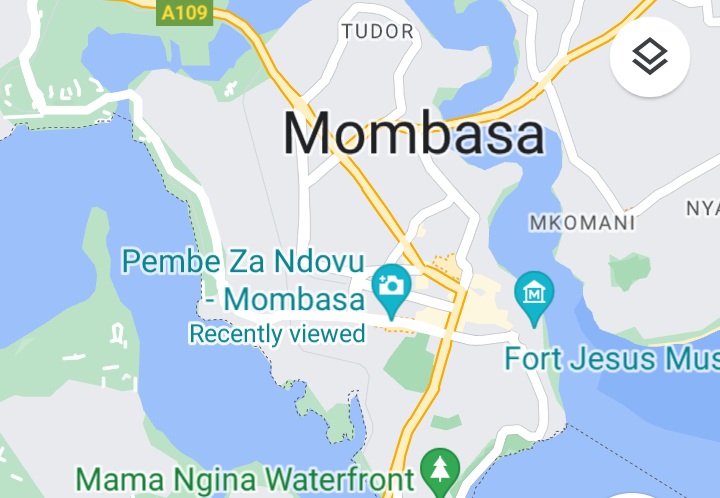
I once mentioned how Kenya is like literally the epitome of Africa.Very few humans could actually not have coastal cities as their ideal hide out or hangout place. Both the areas in and near Mombasa have a touristic touch but if not a tourist, you will still love Mombasa anyways. This city is known for its history and you could enjoy going down the history lane whilst admiring the Old Town which was the center for trade between the Africans and the Arabs.

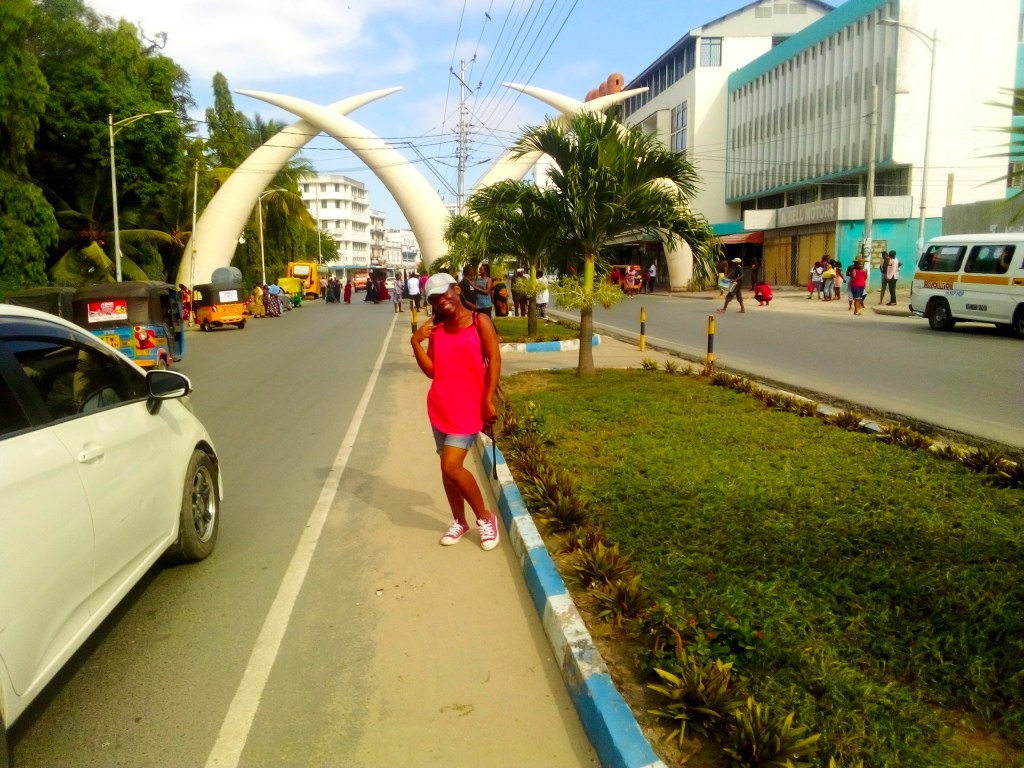
Do stop over at Fort Jesus as well on your history tour and learn more there. It is tradition to take pictures of landmarks, so Pembe Za Ndovu should never be left behind without showing some love because this is like the face of Mombasa!

2) Stone Town (Zanzibar)

It’s good to be old school sometimes and seek the things of old. Stone Town is just perfect for this kind of vibe, l mean the place screams ‘history!’ The town has old structures rich in history. Visit the Old Fort of Zanzibar sometimes called The Arab Fort which is right in the heart of Stone Town close to lots of accomodation choices ranging from hostels to 5 star hotels. You will find some local entertainment going on there to keep your spirits up.

Stone Town is the starting point for the refreshing day trips to Prison Island, Nakupenda Island and indeed many other places I did not see. If you happen to be a food lover (especially one in love with seafood and Indian food), Stone Town will just do it for you! I found lots of restaurants and certainly enjoyed the ones I picked.

3) Lusaka (Zambia)

Not that the town is not that touristic but i have met many a traveller that aren’t that into touristic stuff yet travelling. Some travellers like this could enjoy many places in Lusaka like Trotover Farms for those into horses and enjoy some horse riding .

Lusaka boasts some game reserves and you don’t have to go so far off to have a safari experience and the perfect place for this would be Chaminuka Game Reserve which is close to the main airport and do enjoy watching animals.

Restaurants are also an ideal fun place especially for your taste buds. We have restaurants in the likes of Bombay Lounge, Keg restaurant and bar, Radisson Blu Hotel, The Quorum Hotel, Neelkanth Sarovar Premiere, for those who like to keep it fancy. Aside all these activities are others like the night life if that is your thing.

4) Windhoek (Namibia)

Namibia’s capital, Windhoek is a must-go. The city is calm, busy on some days and ideal for a short city getaway. There are historic landmarks like the Christuskirche i found which is the face of Windhoek. So much history attached to this structure! Other structures that captured my attention were the Independence Memorial Museum that focuses on struggle for independence. The museum is very close to the Christuskirche and could be seen in one tour.

I liked Windhoek for its affordable but neat accommodations. There are lots of shopping malls that offer lots of convenience. I loved the drive on the elevated pieces of land in certain parts of the city which was an opportunity to view the city from a better angle.

5) Kasane and Maun (Botswana)

There are many people I have asked about what one could do in Botswana and often times the replies make it appear like there isn’t really much one could do there. Maybe there is a reason some say so but I doubt the two towns Kasane and Maun would agree to that and am thinking so long there is a desert in the country, should be a reason for it to qualify as a place for people like me.

Kasane is a small border town in Botswana that offers the Chobe Safaris. These are famous safaris even on the Zambian side as you will find many Zambian tour companies offering day or more than a day trips to these national parks. This place I must say is elephant territory so you might want to watch out for these big fellows. I saw lots of those and other animals as well like the Impala family.

There are few cheap flights you could find from Kasane to Maun and back and this could give you the opportunity to see the lovely Okavango Delta from above that looks especially incredible!

These are the towns in Southern Africa that you should find a reason to visit.

The 9 things you must do in Kenya, Mombasa as a solo traveller in 2024

When you think of visiting Africa to get the feel of it, one of the first countries that will cross your mind is Kenya.It is the epitome of Africa. Maybe at this moment, you are planning on doing Kenya or perhaps you even recently got here. You will surely love the Africa it really is. We all wanna visit Kenya for different reasons be it for work, projects, sport, politics whatever…., the fact is, there is that one day you will be up to planning what to do there.

Though this is a thought that could come from a local person as well, the tourist would have to get more knowledge on what this place has to offer. What activities can you do that may involve money (but not always) and still make your stay in Mombasa worth while, well spent and enough reason to wanna tell a story to someone like am doing?

About Mombasa

Mombasa is a coastal city in Kenya along the Indian Ocean. It has been said to be the second largest city in Kenya. This town is one of the coastal touristic spots in Kenya and I discovered it is super rich in history!!

Now that you are here or still thinking to be, not all your days can or should be planned. Sometimes we leave room for spontaneity. The day you choose to just go by a plan, do remember to jot down some of the activities you could do whilst in Mombasa and these are based on what I personally did. Some activities are totally free but some would cost just a few bucks.

1. Take a free ferry

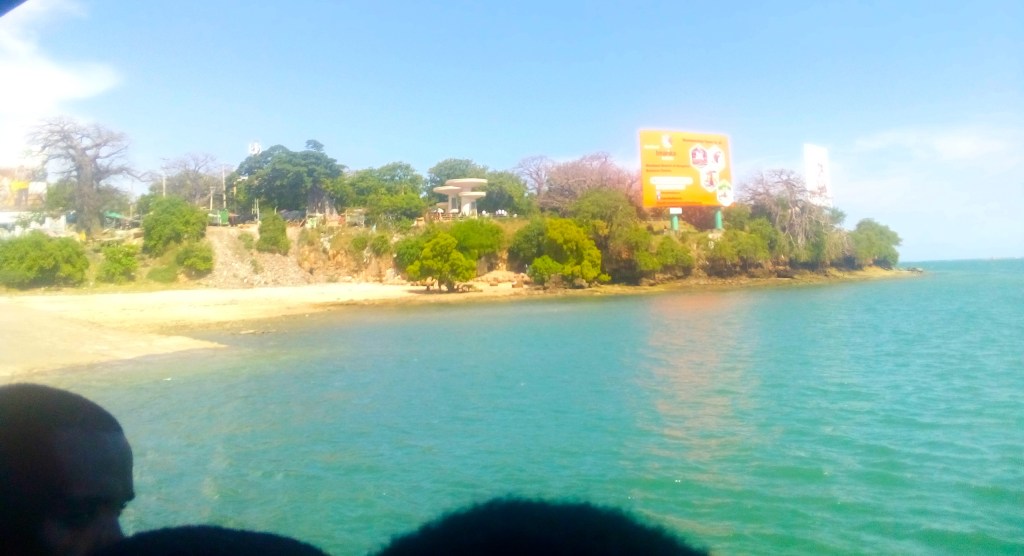
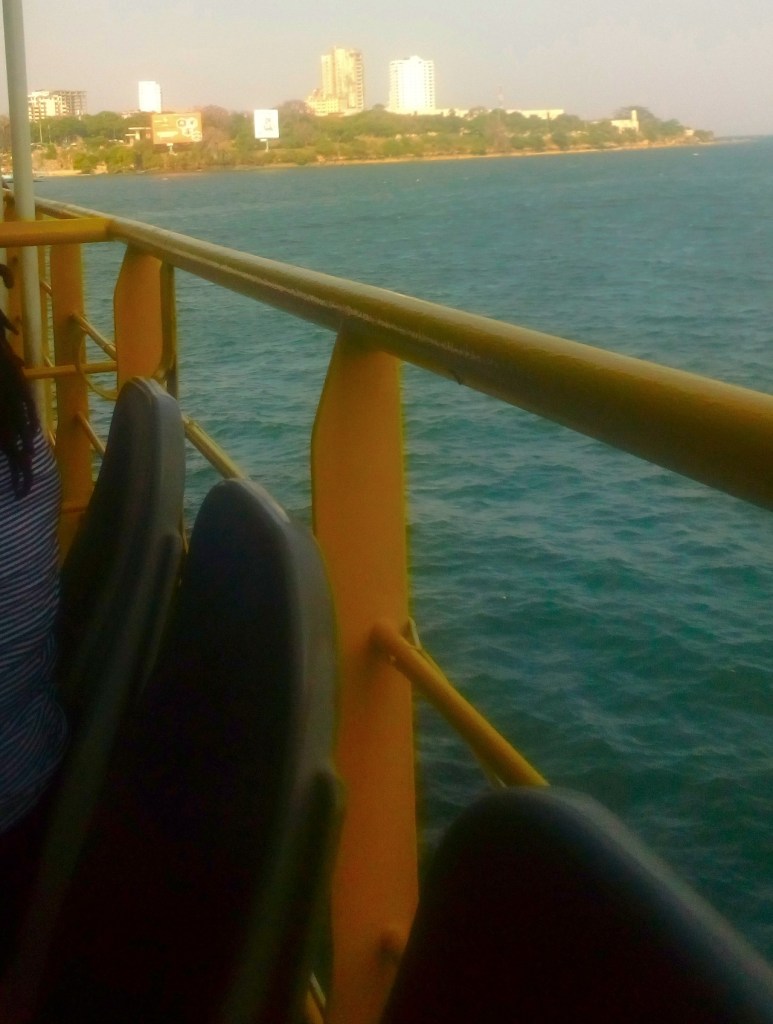
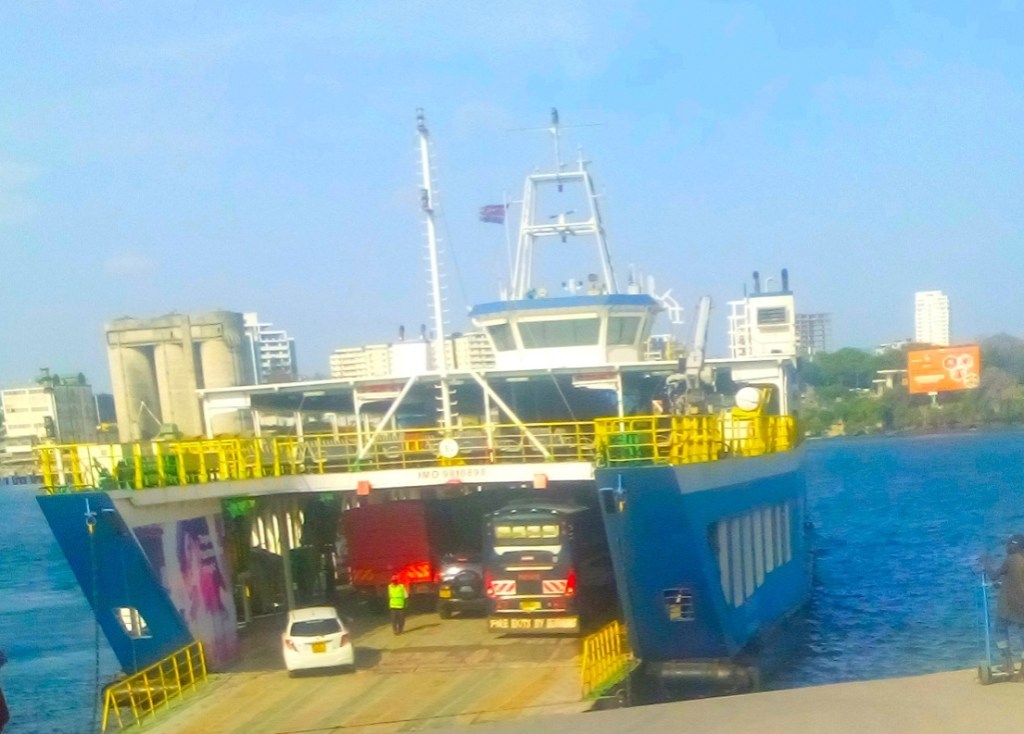
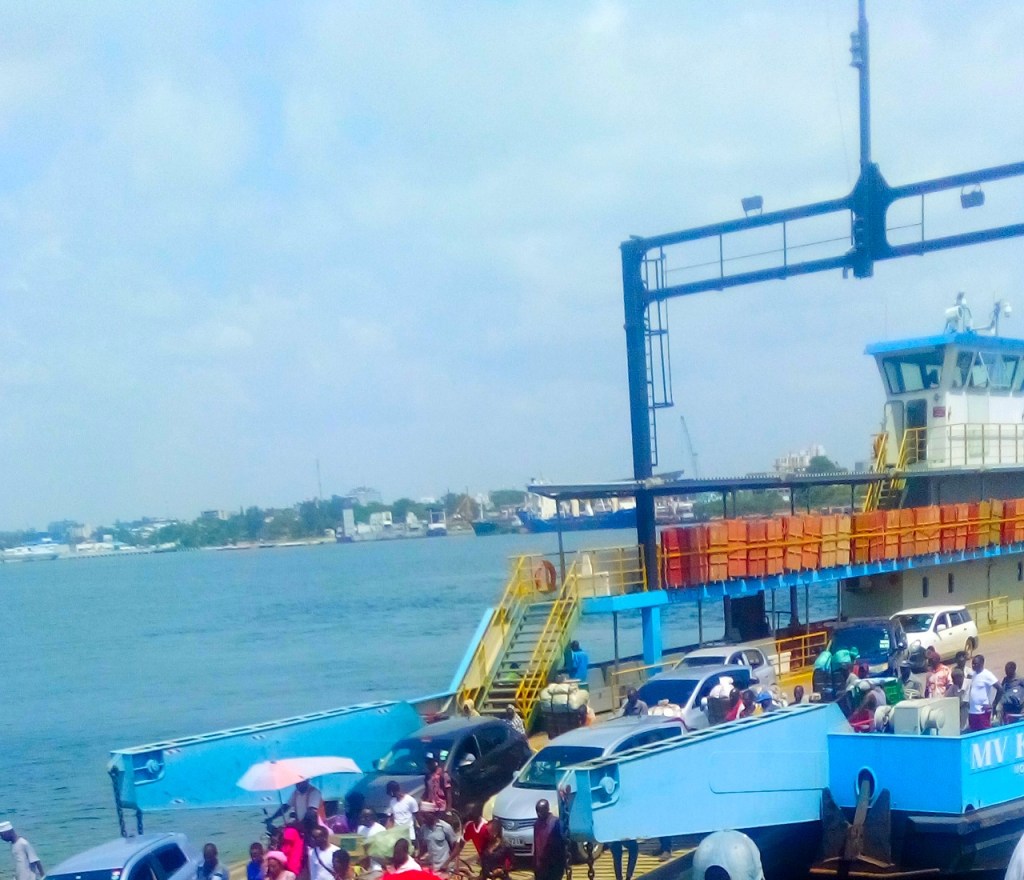
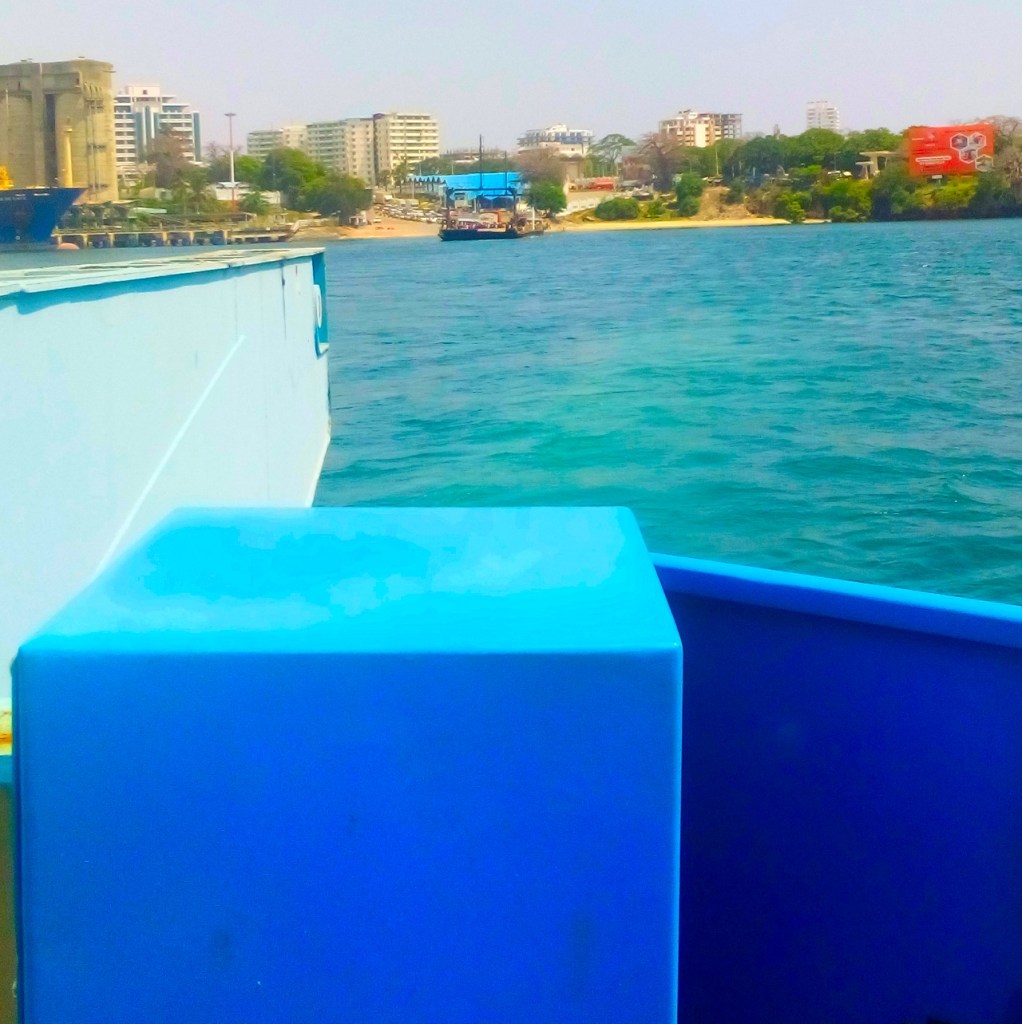
Yes you heard me!! Free! This is a ferry you would enjoy free of charge for a good 10 to 15 minutes and there are a number of trips made in a day. Mombasa being on an island is the reason to enjoy Likoni Ferry which serves Mombasa and Likoni. You will find ferries carrying both road and foot traffic. These ferries are operated by Kenya Ferry Services. It is completely free as a passenger but there is a cost for vehicles, motorcycles, trucks etc. I used this ferry for a necessary move but I must confess because we don’t have a beach in Zambia (what I hate about landlocked countries), I sometimes used this ferry for the fun of it.

2. Enjoy some tennis at Mbaraki Sports Club

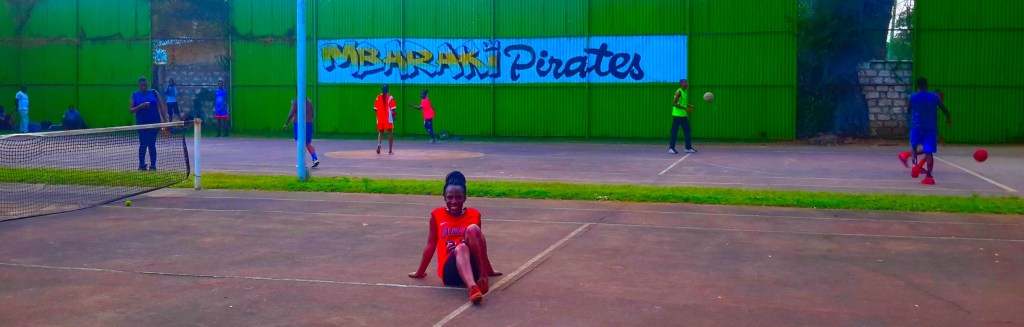
Sorry to be specific here but you could actually play other kinds of sport here by making either prior arrangements or just popping up and joining in. This gives you the opportunity to mingle with and get closer to the real Kenya through associating with the locals. I had so much fun having tennis tournaments with the local kids I met at Mbaraki Sports Club.

3. Spend time with camels at Diani Beach

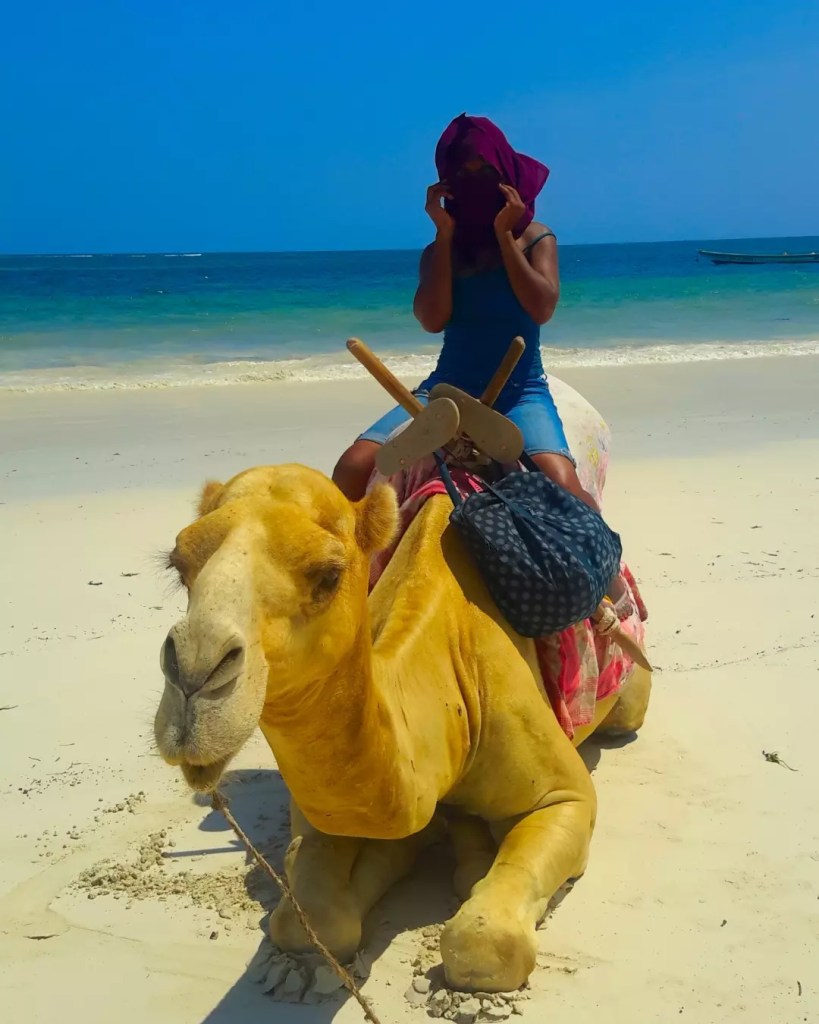
I chose to spend some time at Diani Beach just because a camel is one animal I saw last when I was little…at a zoo and I really did not like the reaction I got from it because I tried getting it’s attention by calling out but it didn’t even bother to look or even move. My impression was camels are not that friendly and my opinions of camels changed when I visited Diani Beach.

To enjoy these camel rides just have about 5 to 10 bucks on you and I guess you could pay more if you keep increasing your hours on its back. I was happy to have met a camel that reciprocated my love unlike the one in my childhood. Laban was his name and my regret is not packing some apples or bananas before this trip. I really don’t know what sort of menu Laban has but I should have shown him a bit of appreciation for taking advantage of him.

4. Hike and hydrate on the beaches while picking shells

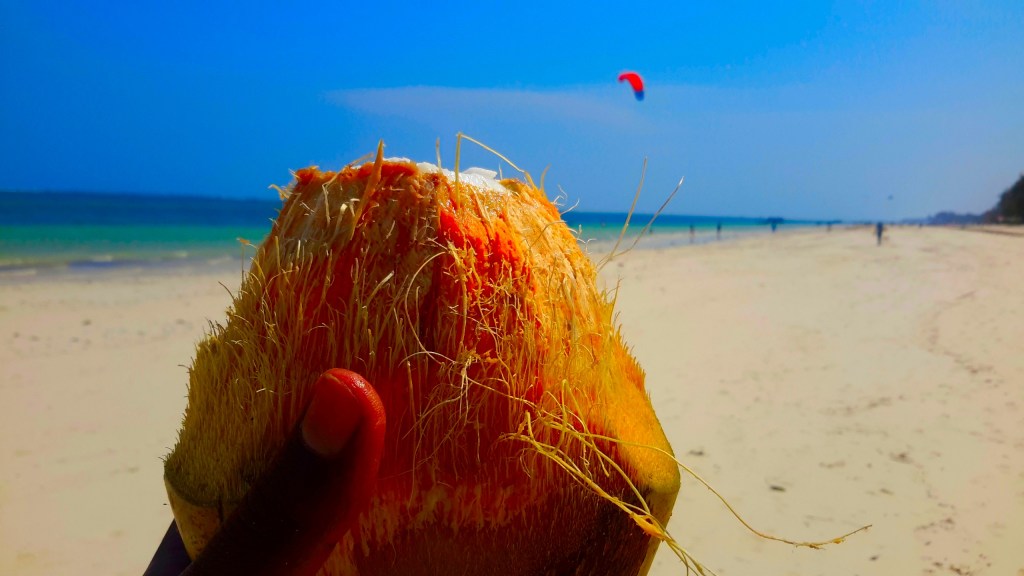
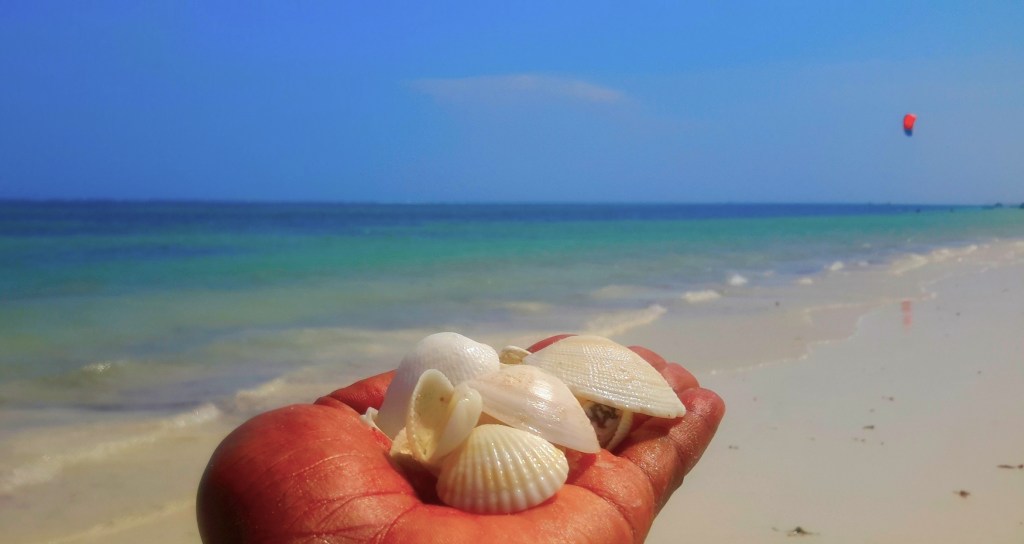
I know that heat levels in my country Zambia can be quite high and unbearable but not to the extent I found the heat in Kenya! As you enjoy this overdose of Vitamin D, cool off with some coconut water sold almost everywhere at the beaches and in town.Take a hike on the beach enjoying all the lovely views and you could even make them longer!My favourite of them all is to add to my shell collection!

5. Spend time with locals on the Shelly Beaches

Beaches do differ in vibe and while others are touristic, others aren’t. I must say Shelly beach is a beach you will find locals. I did spend time surveying it but I must say I met many wonderful locals there and ate lots of good local food. Try this place out!

6. Do shopping malls

I don’t know about you but I do like me some shopping! Don’t you? You could shop hop and enjoy some treats. Next to street food, the cheaper places to get your meals from are supermarkets and I recommend Naivas which came in handy when I didn’t have to do restaurant food.

7. See some of the cool landmarks of Mombasa (Pembe Za Ndovu)

Some of the other activities I involved myself in were to get to know my immediate environment and appreciate cool landmarks like the Pembe Za Ndovu or Pembe Mbili monument which is so highly valued and is a story for another day………This monument is a set of elephant tusks you should never leave Mombasa without showing some love to. If it means a lot to the Kenyans, it should be appreciated by tourists. A good 10 minutes was enough love for them.

8. Grace Fort Jesus with a visit

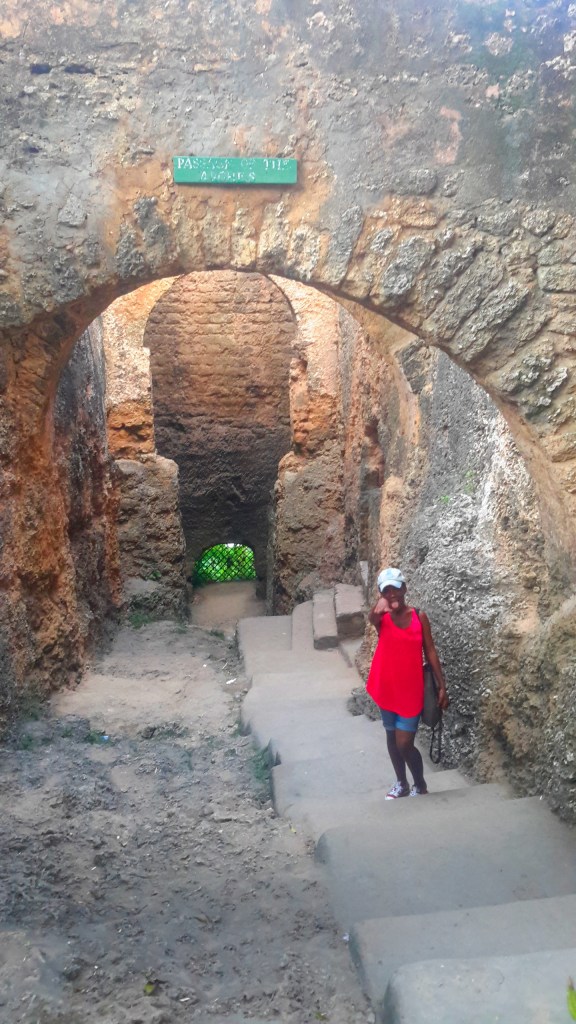
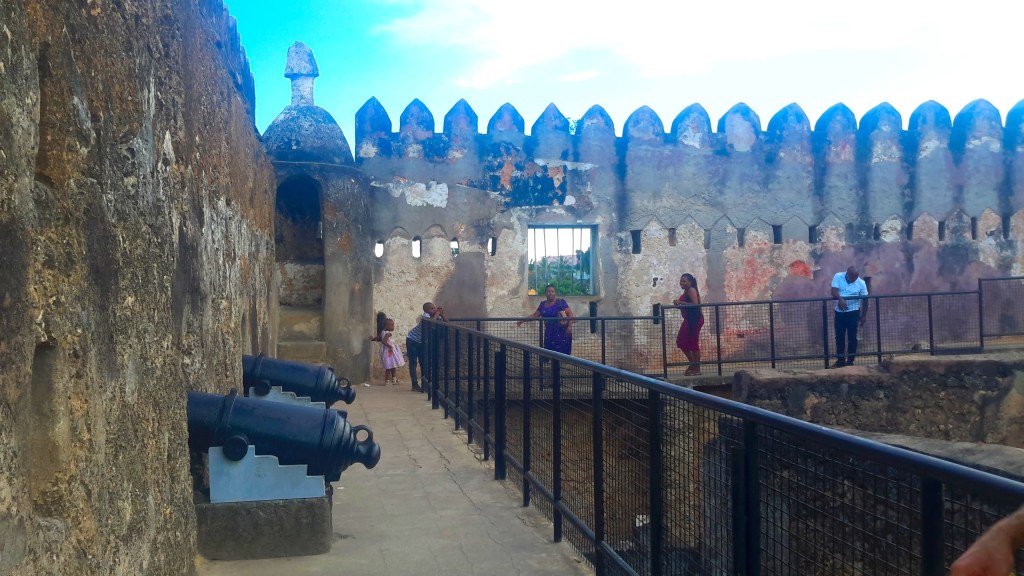
I was here for a tour that I feel in my heart did not really end probably because of time. This fort is the pride of Mombasa and is so rich in history which explains my need to go back because I did not finish reading articles displayed in the museum but if it so happens that I don’t go back, I must say it was amazing to still see this fort. I learnt quite a lot here.

9. Admire the Old Town

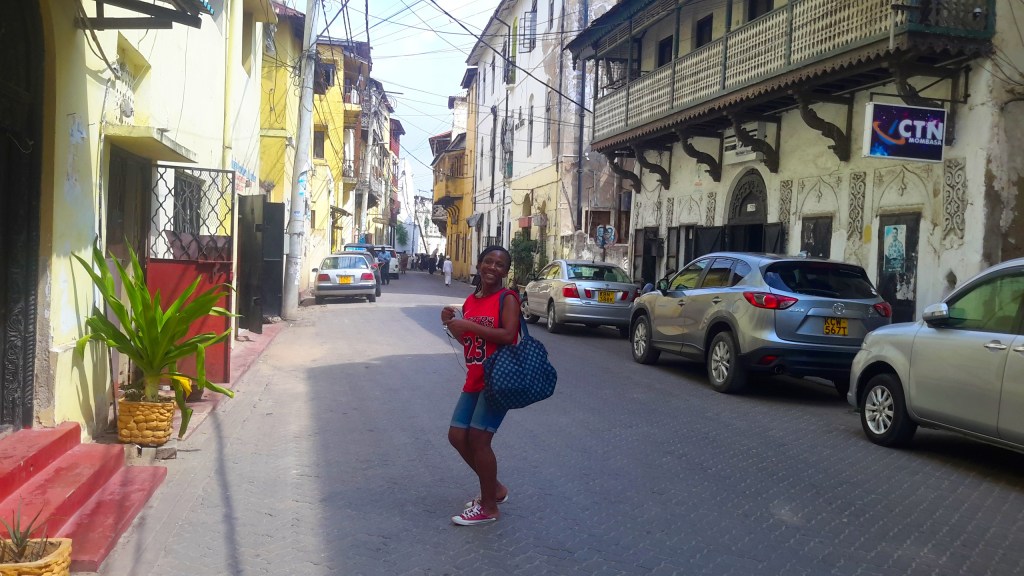
Old Town is on the South of Mombasa and I was amazed by the historical buildings that date way back in time and history says it was the main centre for trade between Africa and the Arab world. It was amazing to see in this place the first hotel in Kenya and just walking around In this town made me feel I used a time machine to go back in time

Would I visit Fort Jesus again?(Part 2)

The answer to this question is a simple “yes!” because as things are at the moment, I wanted to read many of the information posters and boards standing and stuck in the museum at this fort but because of time……I couldn’t. Like I mentioned in the previous blog post about Fort Jesus, the place was dripping with history content unlike the Old Fort of Zanzibar that I don’t quite remember spotting a big museum at. Fort Jesus of Kenya had so much in it that shows that there is a lot of past to be treasured.

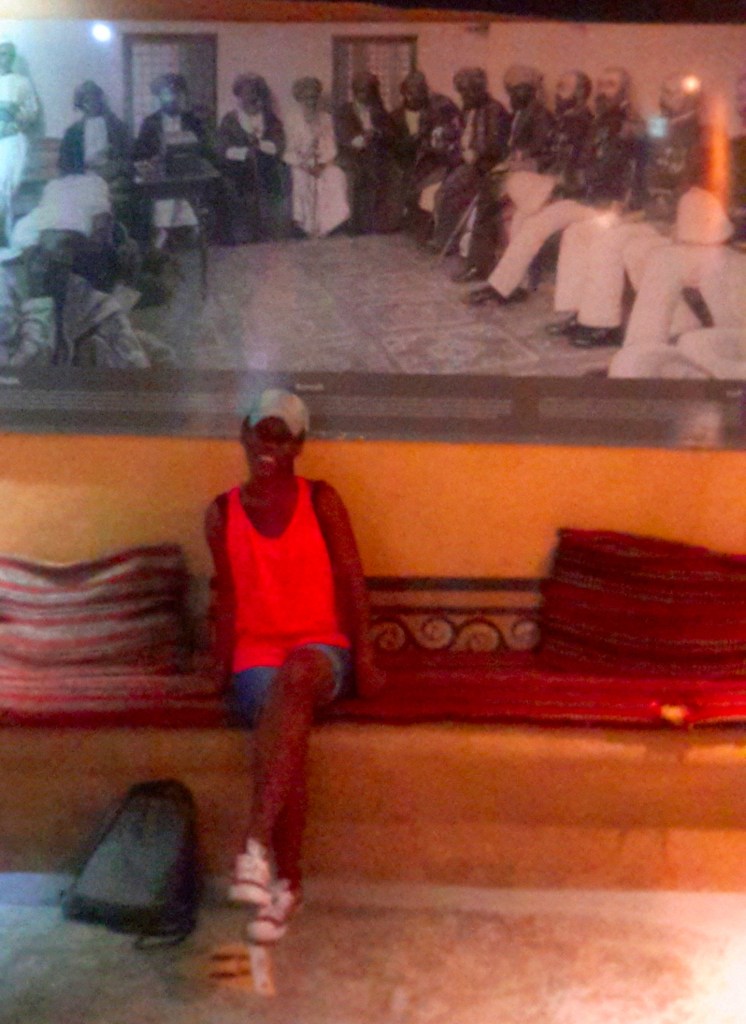
The few hours I spent in the museum got me to the realisation that a picture is truly worth a thousand words.This is so because I looked around the museum on my own for some of the amazing ancient figures that were there but also sort the help of a guide to explain some facts on other figures.

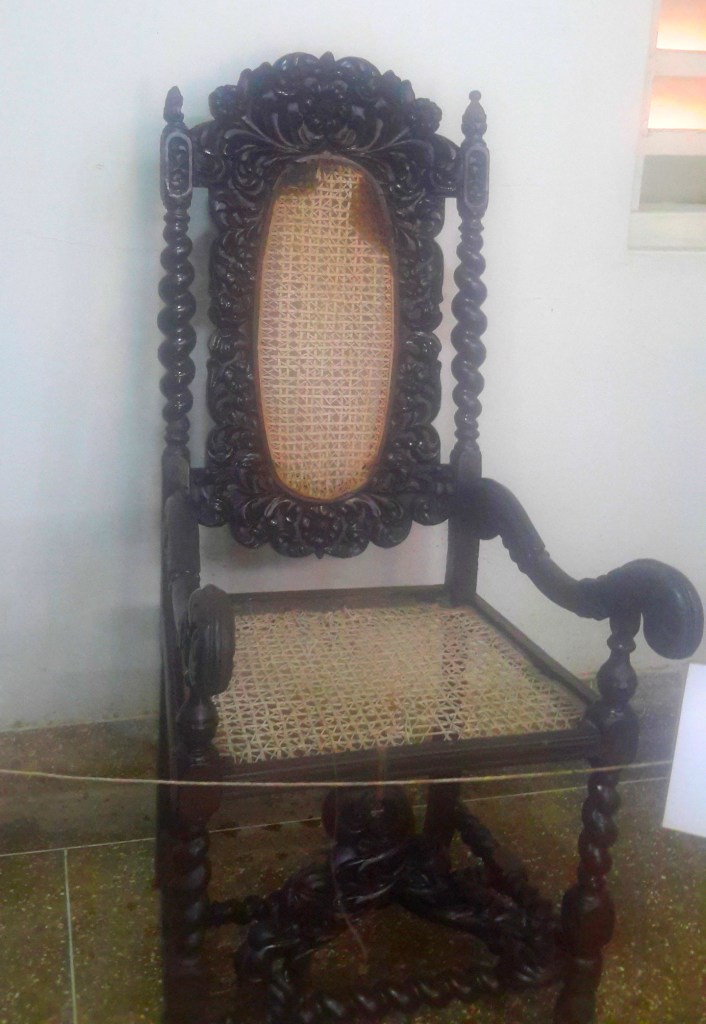
Some of the cool old stuff I saw at the museum, though junkie looking, did have lots of history attached to them. Like say this antique below which am pretty sure I have seen in some homes here in Zambia, could just be a chair…..but this chair was a state chair used in the 17th century and made In India in a Portuguese style.

It was used by the last up holders of independence  who was the Sheik of Siyu (Bwana Mataka Bin Mubarak Al- famau) and his son Sheik Muhammed. ‘Siyu’ is a location in Kenya and ”Sheikh” was in the Arabic sense an elderly man with a position of leadership and yes, that is a full name. Cool chair!

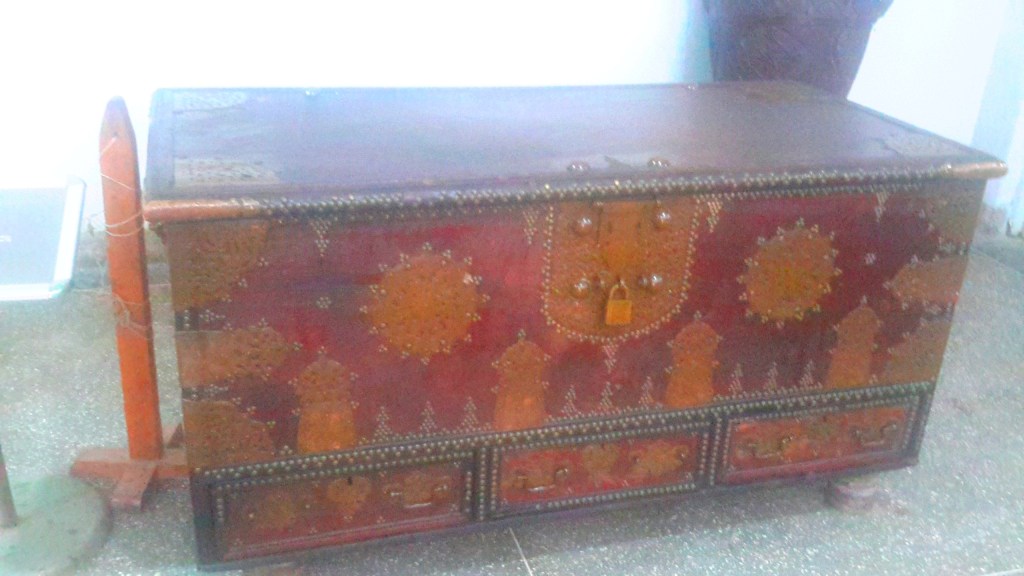
‘You know what? This treasure chest looks like my jewellery box back home……,” I thought to myself as I continued to explore Fort Jesus museum. It was a Persian chest dating as far back as the 13th century. Like wow! Hopefully it continues to be preserved in many more years.

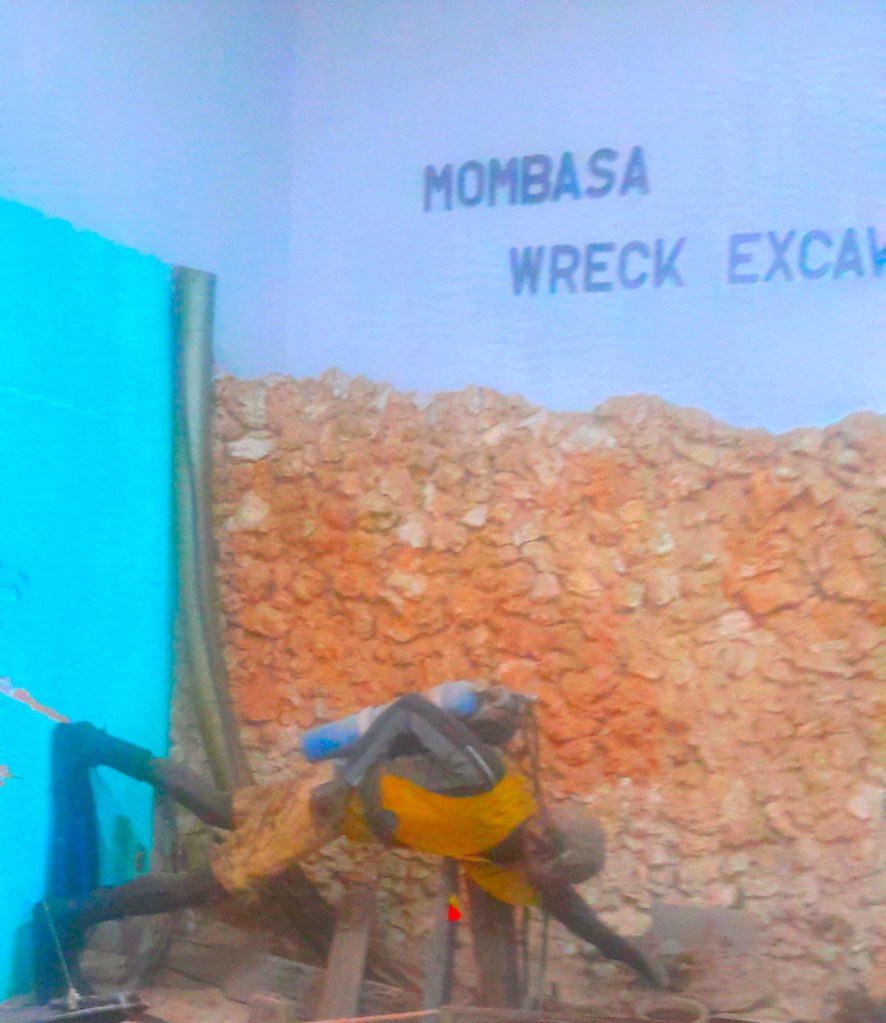
I looked ahead and noticed some place near the left side of the museum as you get in. The label Mombasa Wreck Excavation caught my attention but what was this place trying to showcase?

All I saw was some structure that looked like a diver. It sounds like divers find really cool stuff under water, huh….? This local diver must have been doing his own thing when he ”bang!”found some ship of 38 metres going by a cool name Santo Antonio de Tanna. His adventure (thanks to him) has led many to learn about this ship that sunk and some man going by the name of Dr James Kirkman directed a small excavation which later on led to a survey done on the wreck site. Cool stuff if you ask me.

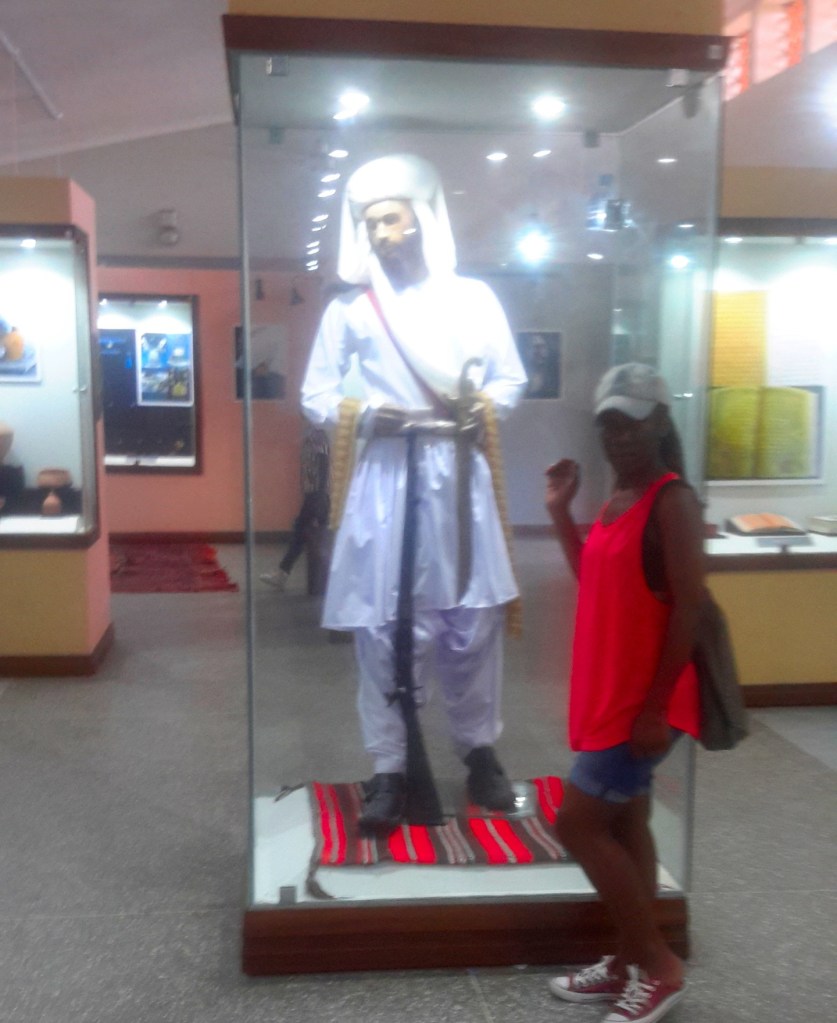
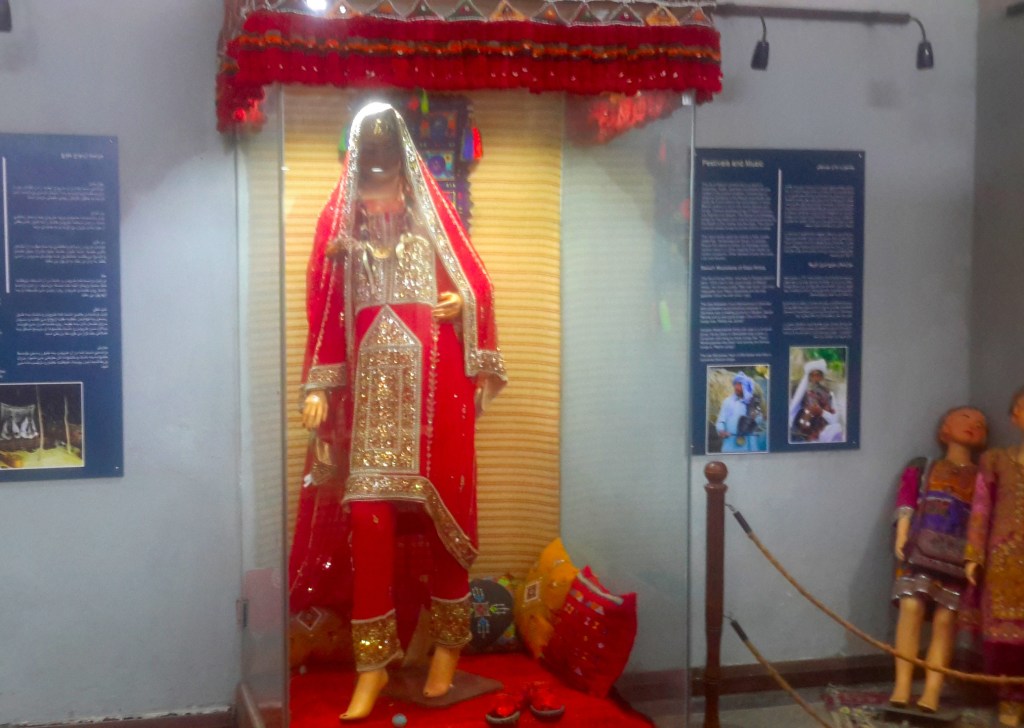
Time was running out and I had to be out of this place so in wanting to do a quick exit, I bumped into some cool structures of what I think were figures of Arab ,Portuguese or Indian people because of the kind of dressing. For these ones, all I wanted was to stand next to them.

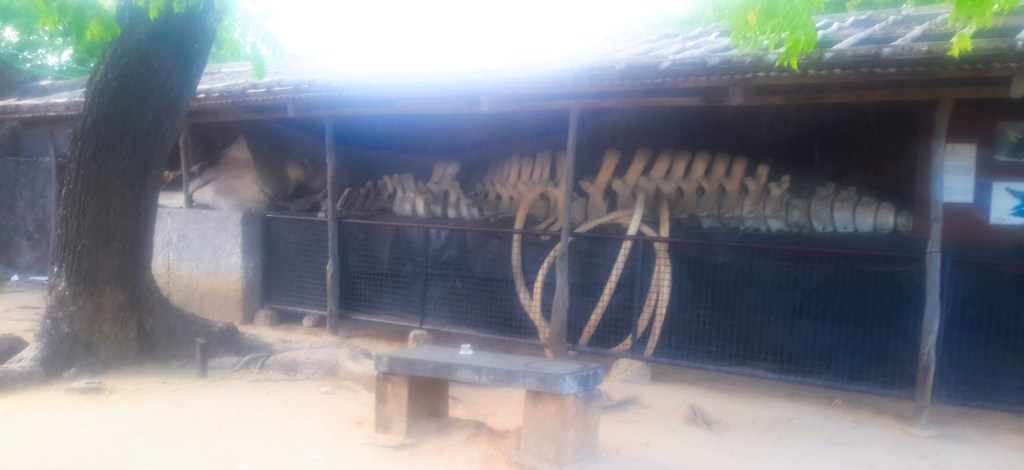
Whales! Ever seen a 48 foot long creature? Maybe you have but I haven’t. It’s good I saw the remains because imagining one in motion will take up lots of my energy.

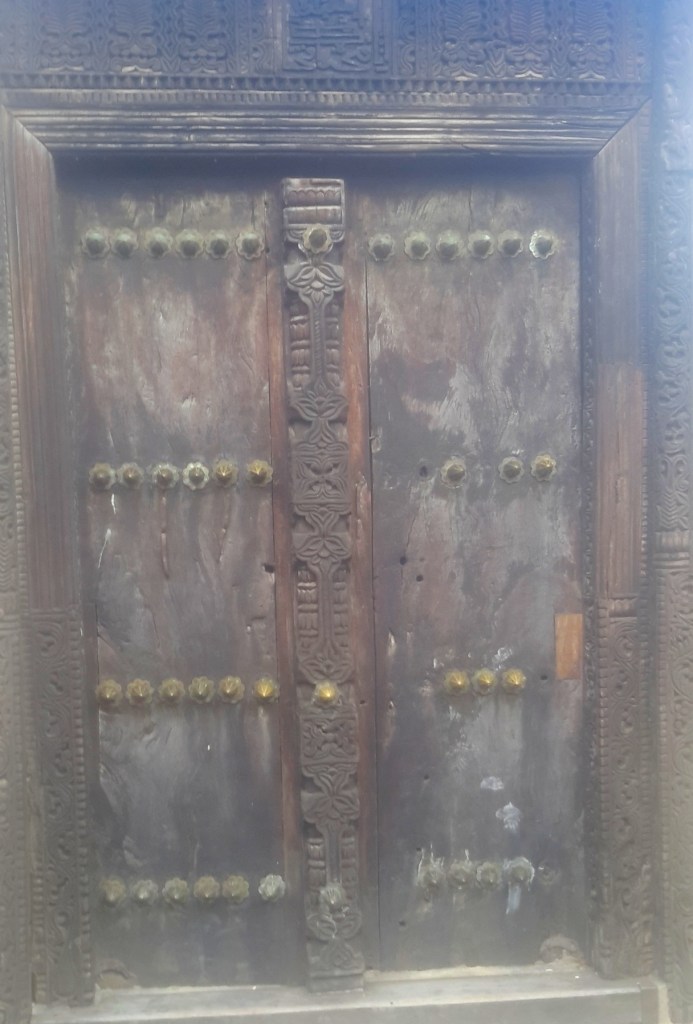
So basically you will find a skeleton of a humpback whale on display here, the remains ofย  a Portuguese sailor, some cool old Mombasa doors which remind me of Zanzibarian doors and something that looked like it was a make believe human thing to be placed in a corn field to chase away unwanted ‘visitors’ from the field.

What can I say except another visit is in order so that I get to read in detail what I couldn’t because of rushing to leave. Do try this place out by all means.

Would I tour Fort Jesus again?(Part 1)

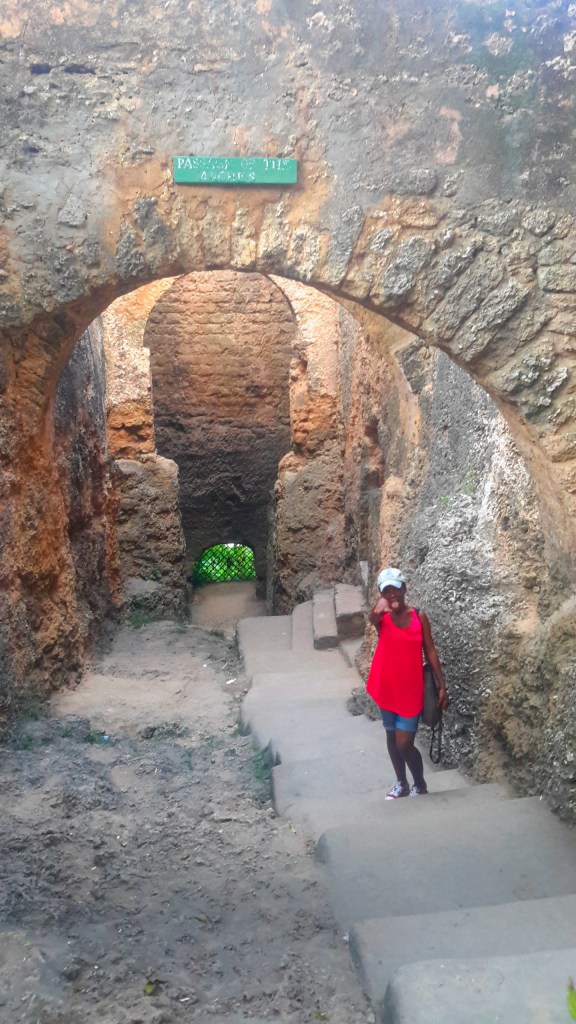
Into the heart of the fort itself

Given a chance and money, there are lots of places one would love to view whilst travelling.My time in Mombasa was not planned for. It was more of, ”I will see and enjoy whatever is in Mombasa.” Plus, I needed just a change of scenery to clear my head from being that busy high school teacher who never easily gets free time.

I usually do countdowns towards the end of a school term because of a dire need to unwind in places far from home.Talk about the power of change of scenery! It was my first trip to Kenya and not in the slightest do I regret being in Mombasa. You can’t separate Mombasa from Fort Jesus which is a tourist attraction in this old town of Mombasa that is dated ancient. Where are all the historians?

Counting down to term break๐Ÿฅด

Getting there

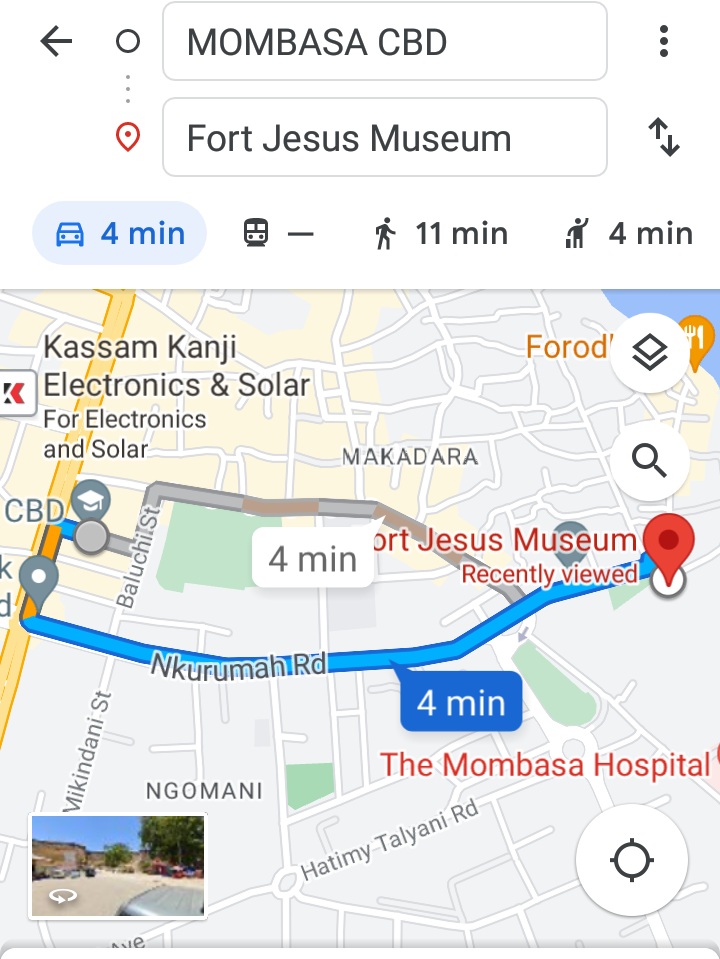
As usual, this depends on where you are in Mombasa. And am thinking you are in the heart of Mombasa so getting to Nkurumah road should not be a problem. I took a boda boda (motorcycle) to the Fort. This didn’t take too long.

Now of course being a non resident, do not expect to pay the same price as the locals would and this is usually the case when it comes to tourist attractions unlike other things like taxi fares, groceries and what not. No discrimination fee here lol! Fort Jesus will cost you just about 10 dollars or so.

Historically speaking, what about Fort Jesus?

I have shared before how I am not a history geek nor am I geeky in general but at least I know why my history results in school weren’t that appealing. I am a hands on kind of person and not having enough school trips in history class back in the day could be the reason but it’s never too late to appreciate history the way I would have loved to. But then again am thinking, how much was it gonna cost to learn about Europe all the way from Africa the hands on kind of way! Lol! Pricey, right?

I discovered that this fort was built by the Portuguese in the 16th century on the coastline near Old Town, Mombasa. It was designed by an Italian architect Jao Batista Cairato and built as a refuge place for those Portuguese that lived on the coastal areas.

It has been said that this fort was built in the shape of a man when viewed from the air that is and later on after a series of its capture and recapture, was under the British rule converted into a prison. In the 20th century, it was declared a national park and later on UNESCO declared it a World Heritage Site. It turns out that in this day and age, Fort Jesus is one of the most visited places in Mombasa, Kenya. But will I tour Fort Jesus again?

Down history lane with Cape Town’s artistic sculpture

I am no history geek but because I have stepped in zones that have beautiful art, I found catchy, it has triggered me to dig deeper than what meets the eyes. I love art and do appreciate it though not an artist myself. I came to realize how deep art can be both to the artist and the consumer of the art. Sometimes what we put out there burning from deep within us could either trigger positives or negatives.

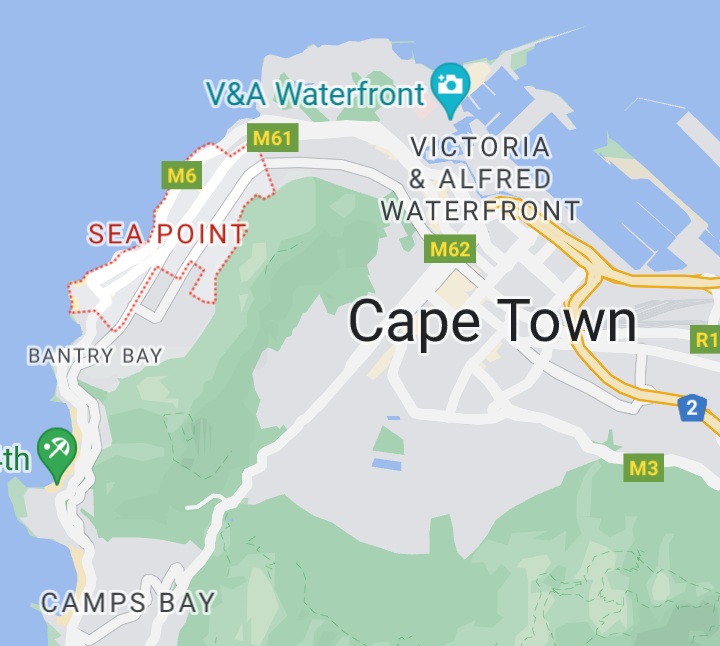
I loved Cape Town and though there is much talk about dangers of solo travelling to this destination, I went solo….. period. I hadn’t made a list of what I wanted to see because I was just there to rest and not doing what a regular tourist would be doing. I picked the perfect area for my rest which was called Sea Point and as is the name, I was next to where the Atlantic and Indian ocean meet. Perfect beachfront accomodation.

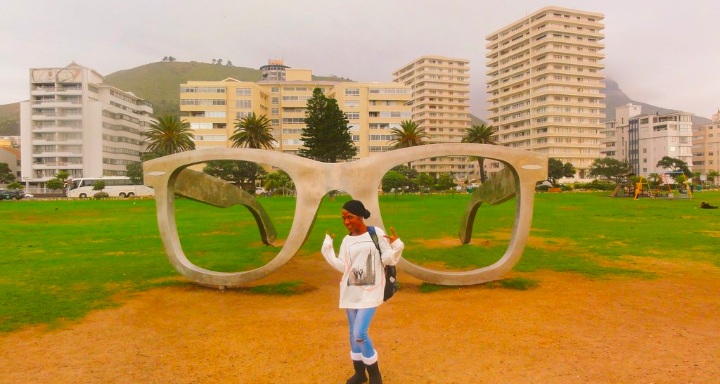
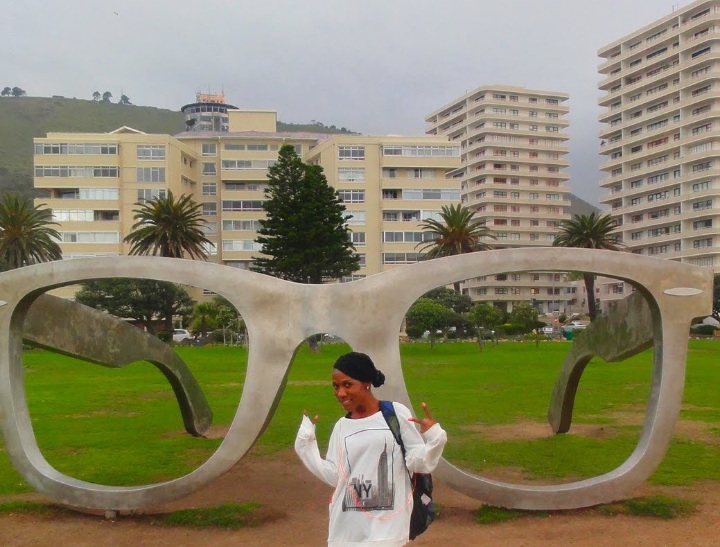
When you lodge in such places, morning, afternoon and evening walks are like the order of the day. I did that many times and the one sculpture that I kept seeing there was a giant size pair of sunglasses.Super cool I thought! I did sit there, chilled there and took a pic or two there. Little did I know that this art had some intended meaning from the artist’s point of view but did the rest of the neighborhood, town or perhaps country empathize?

Would you ever connect a giant pair of sunglasses to a renowned, respected and heroic figure like Nelson Mandela of South Africa? He was an anti apartheid activist, politician and first president of South Africa and pretty sure was at the back of the mind of the artist behind the sculpture in question.But who is this artist behind this piece?

Michael Elion an artist and architect with a degree of architecture from University of Cape Town was the master mind and like earlier mentioned, art can either be welcomed with open arms by the masses or be the reason for some commotion.

Michael Elion

Michael titled his piece,”perceiving freedom” and because these giant sunglasses stare out at Robben Island on the Atlantic Ocean where Nelson Mandela was imprisoned for almost three decades, the artist had in mind Mandela’s time behind bars.

Nelson Mandela

The masses however found this piece to not be fit for a man like Nelson and deemed it disrespectful and because this project was co- financed by eye wear maker Ray-Ban, some saw this as a promotion stunt pulled and also because it was unveiled in summer.

As I posed next to this piece, I had no clue it’s previous state had lenses on them but were vandalized by those against the artist’s theory. I will treasure the picture I took next to the remains as a lesson that sometimes simple looking things may have such deep meaning.

Ahh…so that’s the Old Fort of Zanzibar

The older it gets,the more touristic value it seems to have

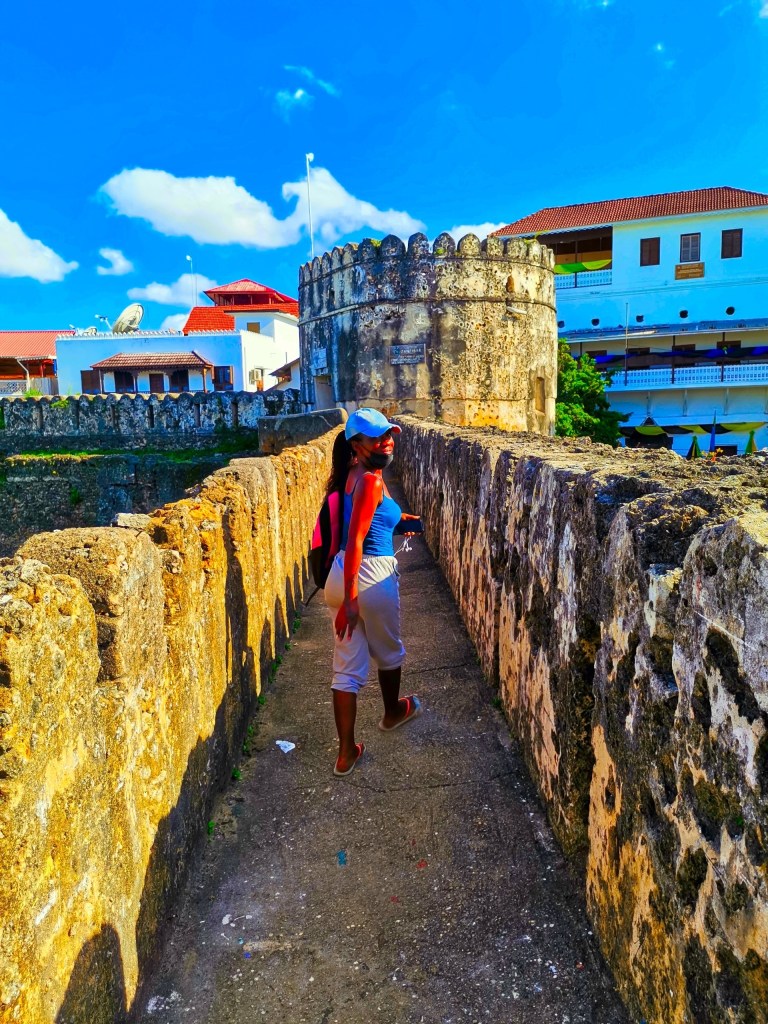
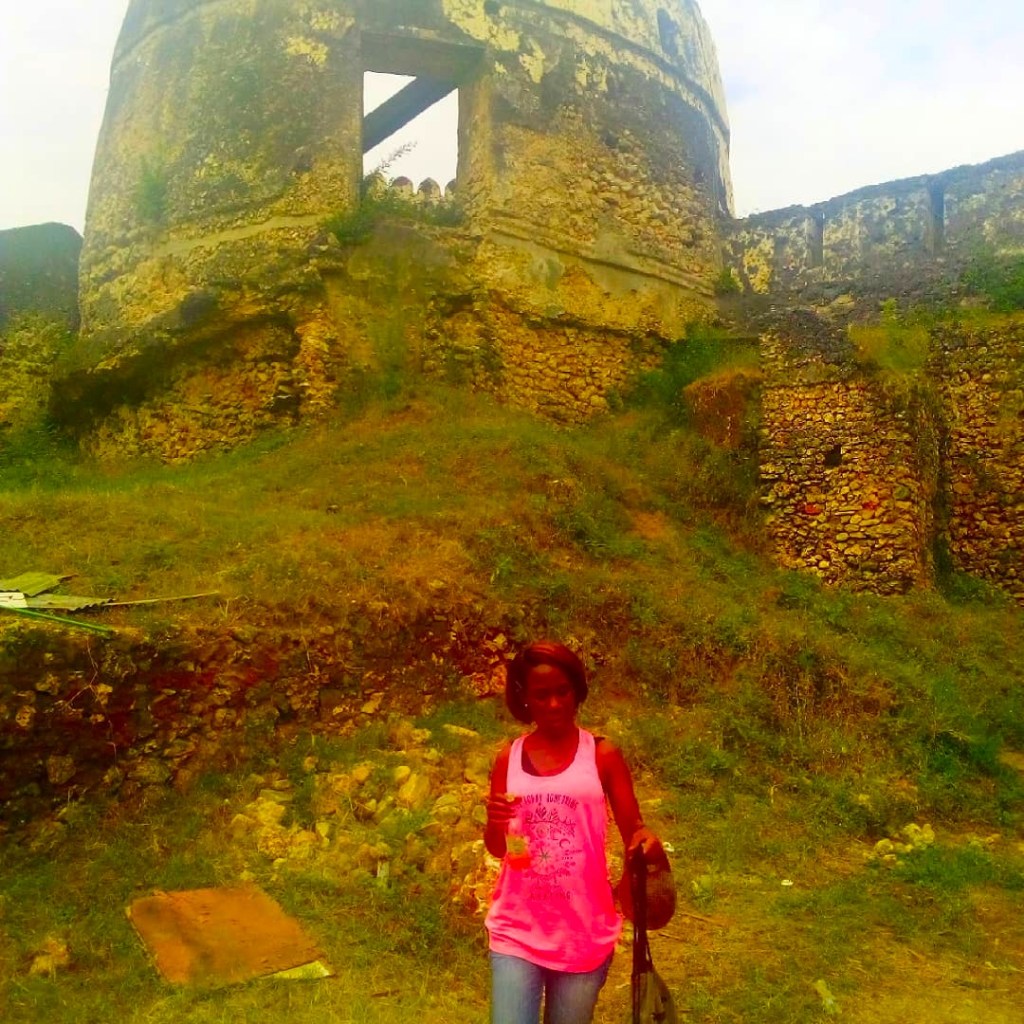
The Old Fort of Zanzibar is a beautiful historical feature found in Stone Town, Zanzibar.This feature also goes by the name The Arab Fort.If you ask me….this old fine piece of work is actually a ‘ tourist puller’.One of the much talked about touristic places in Zanzibar.

The inside of the Fort

This feature was built by Omari Arabs in 1699.It was used as a prison.It is now used for film festivals though in the 20th century it was used as a depot.This piece of touristic work is now being used as a centre for cultural activities like curio shops.

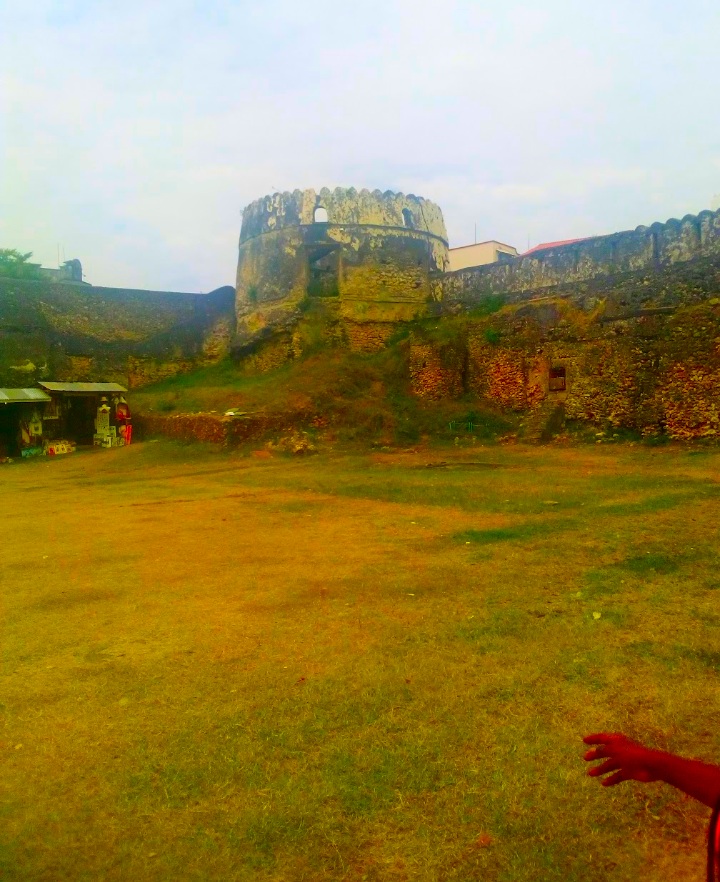
On the left are curio shops ….sorry not clear ๐Ÿ˜œ

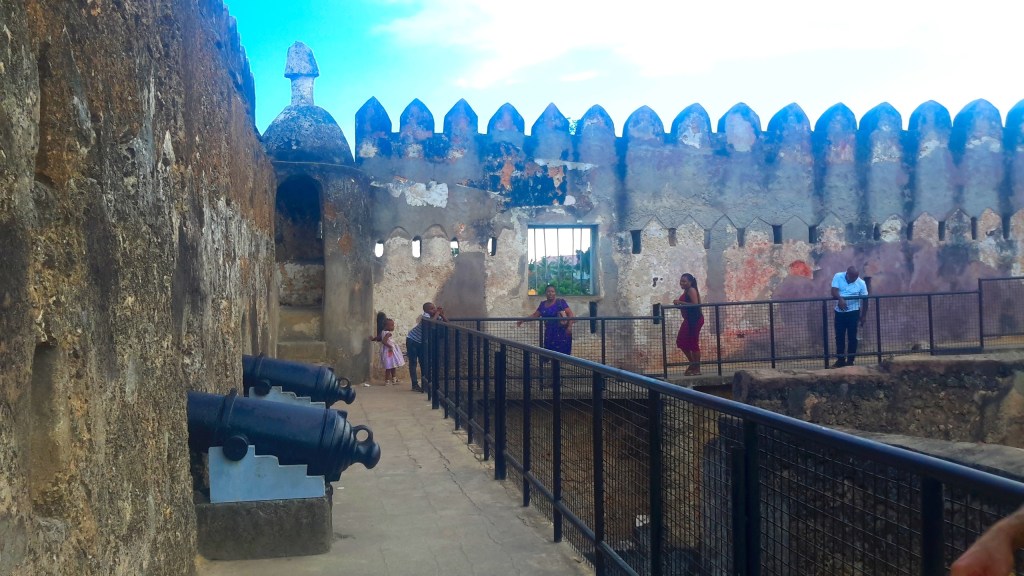
The Fort is essentially a square of high brown walls with merlons,protecting an inner courtyard.In the courtyard there are some remnants of earlier buildings including those of a Portuguese church and another Omani fortification.

This place is now used for entertainment like live dance and music shows held mostly in the afternoons and evenings.

This group was here for what appeared to be workouts ๐Ÿค”

Blog at WordPress.com.

Up ↑