A Journey Through History: Exploring the Fascinating Railway Museum

Learning is a continuous process that has no age or time restrictions. Like the waves of the ocean that never stop arriving to the shore, it is a continuing process that is always seeking for new knowledge and experiences. No matter how long we have been on this world, we should never stop seeking knowledge.”

In today’s fast-paced society, it is simple to fall into the misconception that learning ends when we have finished our official schooling. While learning sculpts and moulds us into the people we become, education may provide us with a foundation.

Learning transforms and broadens our perspectives. It offers us access to opportunities and empowers us to have a good impact on both our communities and the world at large.

In maintaining and presenting our common cultural history, museums are essential. These magnificent institutions serve as more than just storage facilities for artefacts; they also serve as portals into the past.

When you enter a museum, you will be surrounded by actual reminders of the past. The hardships, victories, and achievements of people who came before us are memorialised in priceless works of art, and historic artefacts.

I had an exciting plan for the day and got up bright and early with eagerness. I was going to the famed Railway Museum in Zambia’s stunning Southern Province. This museum highlights the history of Zambia’s railroads and offering a look at the world of trains in the past.
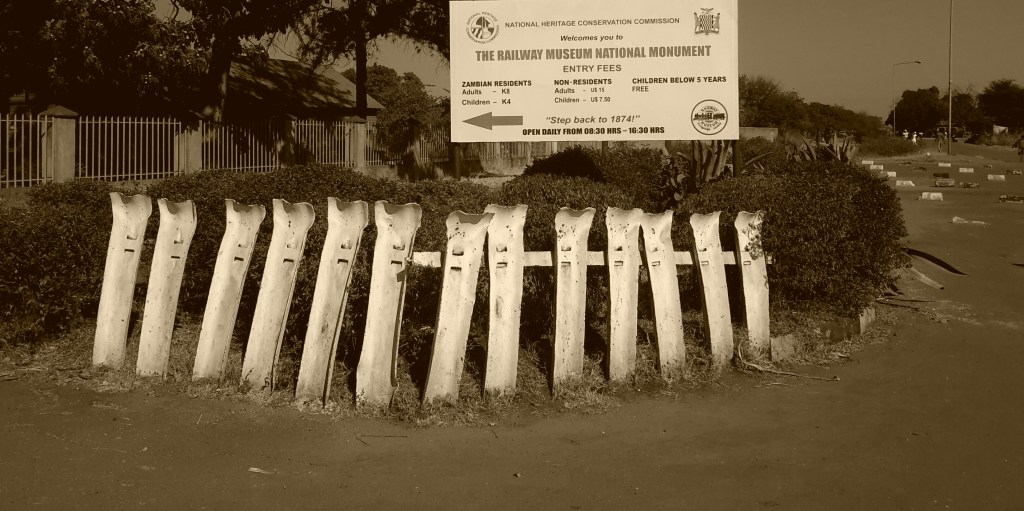
As I travelled to the museum, I couldn’t help but think about what it must have been like to ride on these locomotives in the past. As soon as I stepped inside, I was in a another time period. including vintage images, models, and actual relics on display.

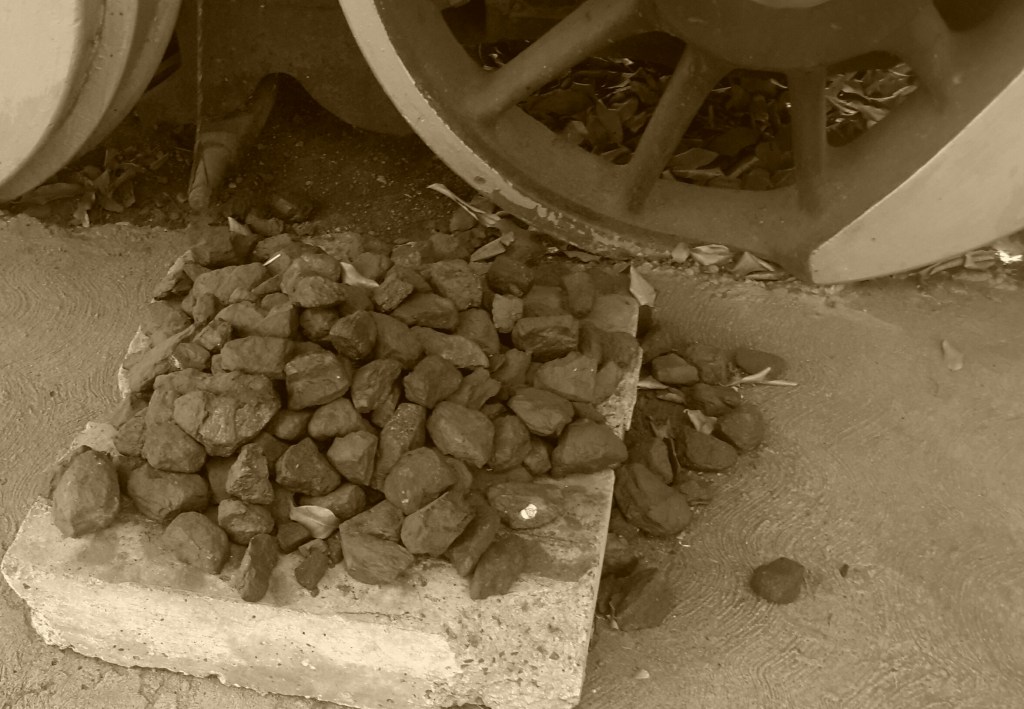
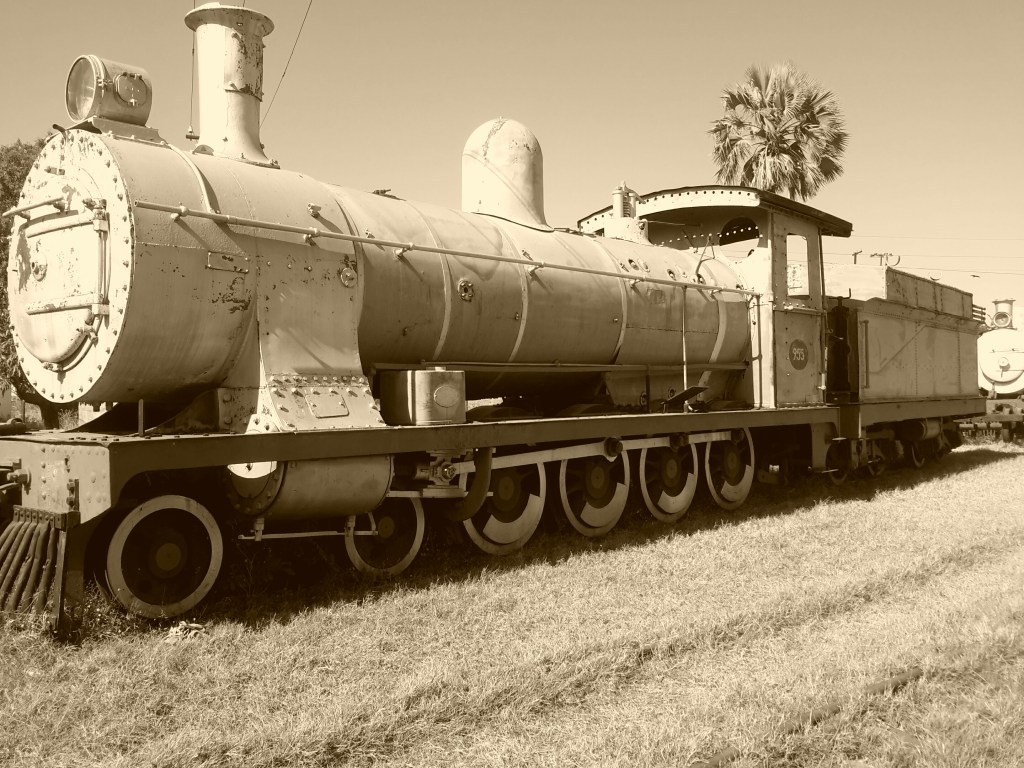
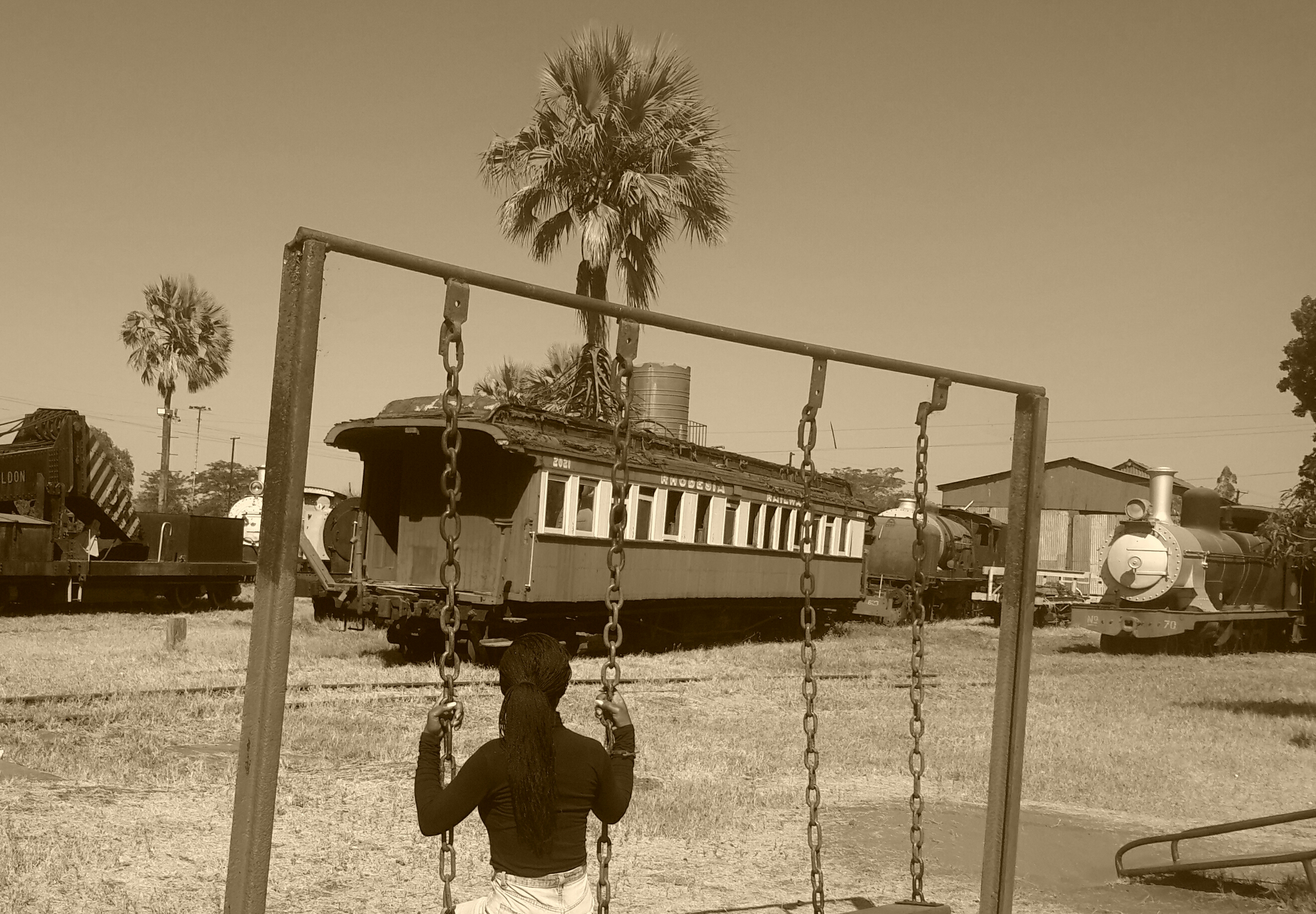
The collection of steam engines, was one of the museum’s highlights. It was impressive to see these locomotives, with their wheels and brass finishes. These devices, powered by coal and pure mechanical force, had formerly linked towns and communities, aiding trade and transportation.
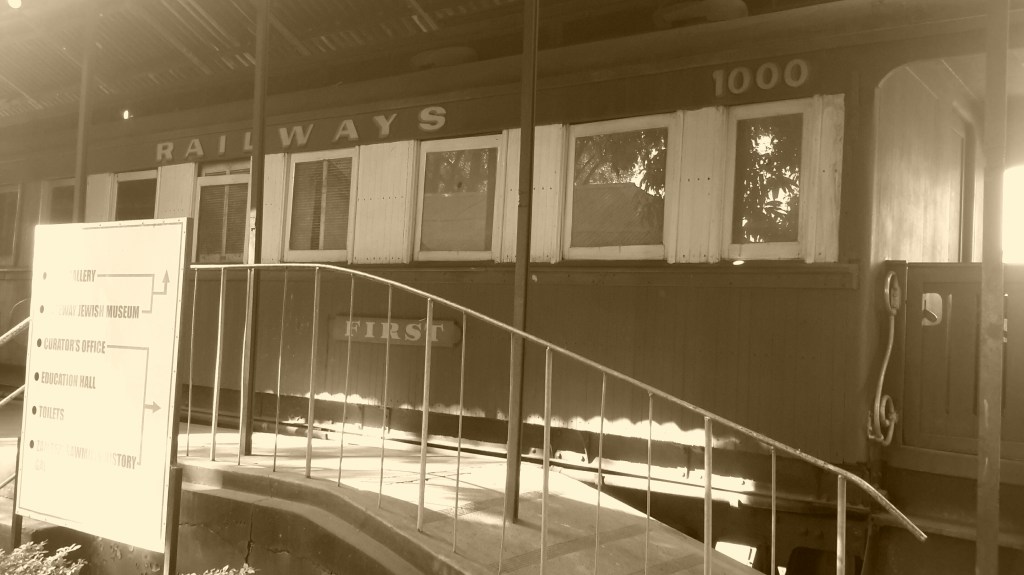
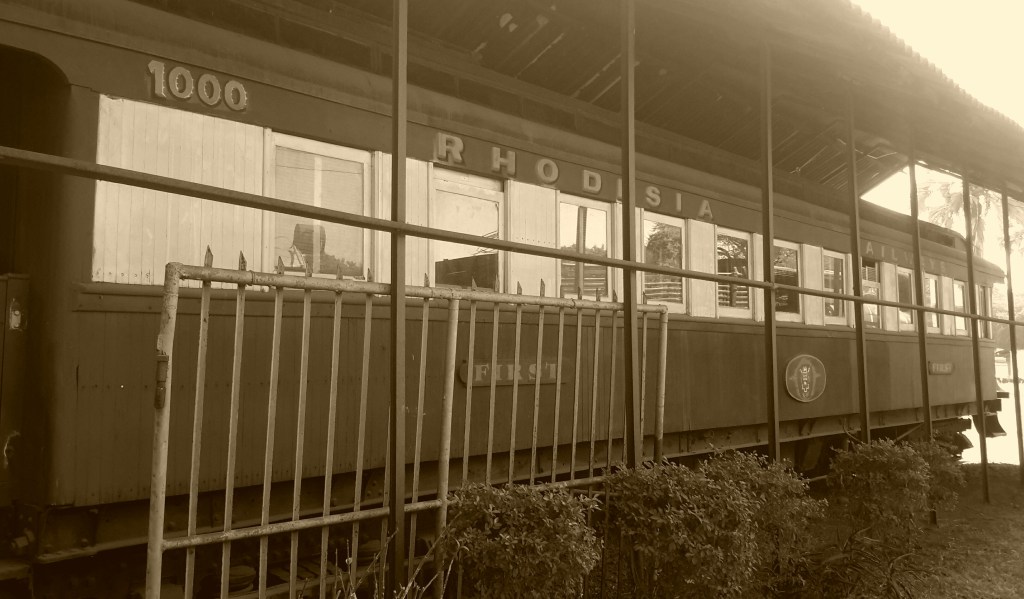
As I explored further, I discovered an array of exhibits that showcased the various aspects of Zambia’s railway history. I learned about the challenges faced by the early railway pioneers.The museum also shed light on the vital role that trains played in the development of the country, linking remote regions and enabling the transportation of goods and people. It is just disappointing now that the railway companies in Zambia are not doing too good. They could use a facelift.

The History of the Museum

The Railway Museum also known as Zambezi Sawmills Locomotive Sheds after some national reforms that came with the independence of the country, was left abandoned. A monuments commission in the country took over managing it and declared it a national monument. Later on in 1987, after some restoration works, it was opened officially by the first president of the country then.

Some Exhibitions you will find

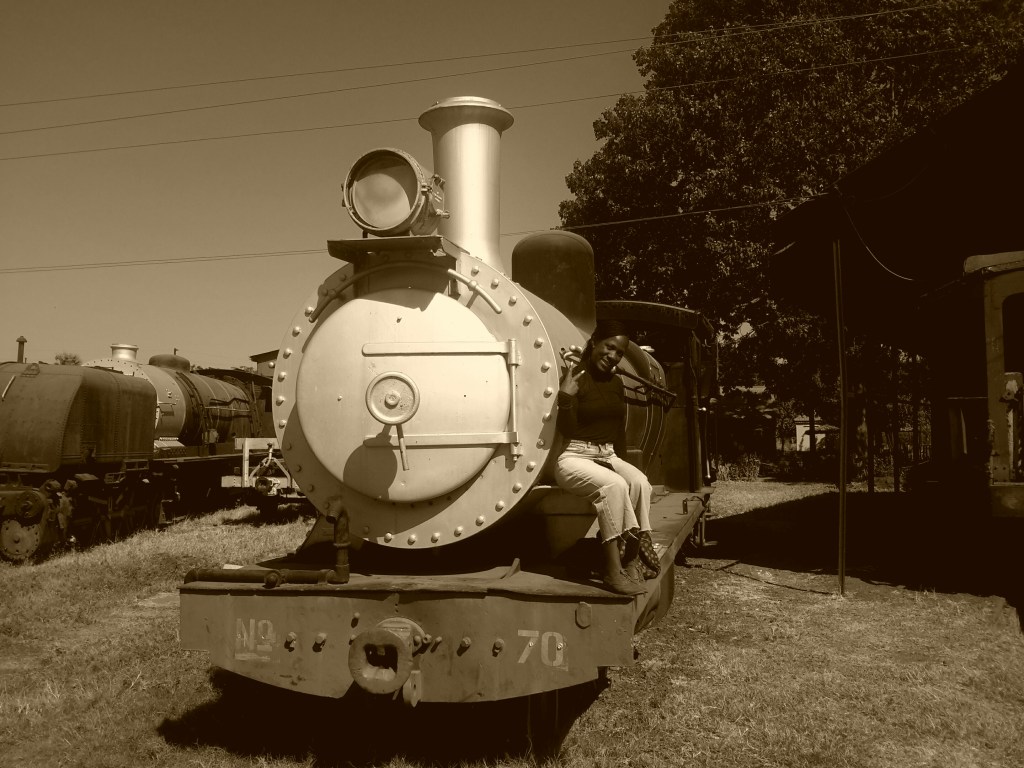
7th Class Engine Number 70 was built by Neilson, Reid, and Company in 1900, and in Zambia, the original owner was Rhodesia Railways ( Zambia’s former name was Northern Rhodesia). In 1925, it was then purchased by Zambezi Sawmills. It was the first steam locomotive. Some of its routes in those days were Bulawayo, Zimbabwe, and Zambia routes. It is the longest-serving steam engine in Zambia.

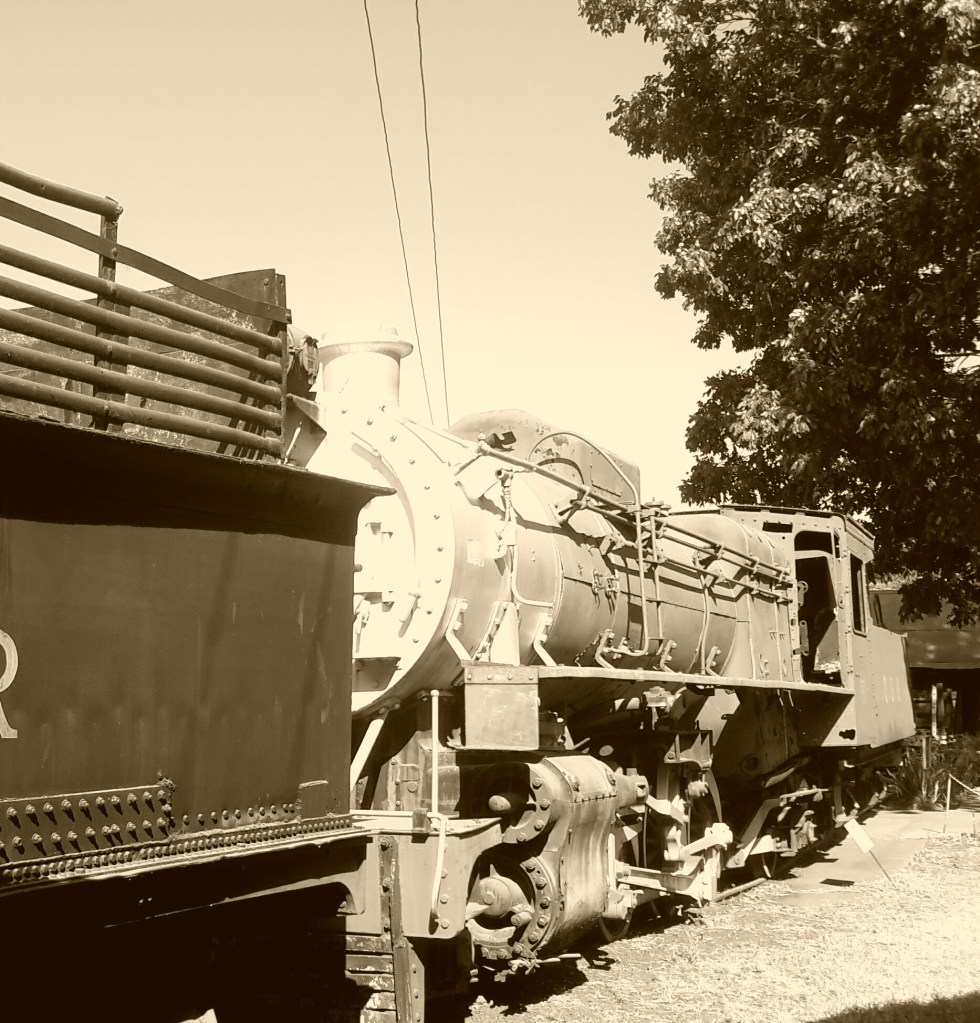
G Class Number 57 was built by North British Locomotive Company in 1957/8. It was built foe Nigeria Railways and the East African Railway. It was originally owned by Nyasaland (now called Malawi and nicknamed ‘Jubilee’ and was purchased by Zambezi Sawmills in 1970 at a price I found to be so funny now, 322 Kwacha (Zambian Currency) or 16 dollars, then. It was mainly used in construction of the Mulobezi Railway line.
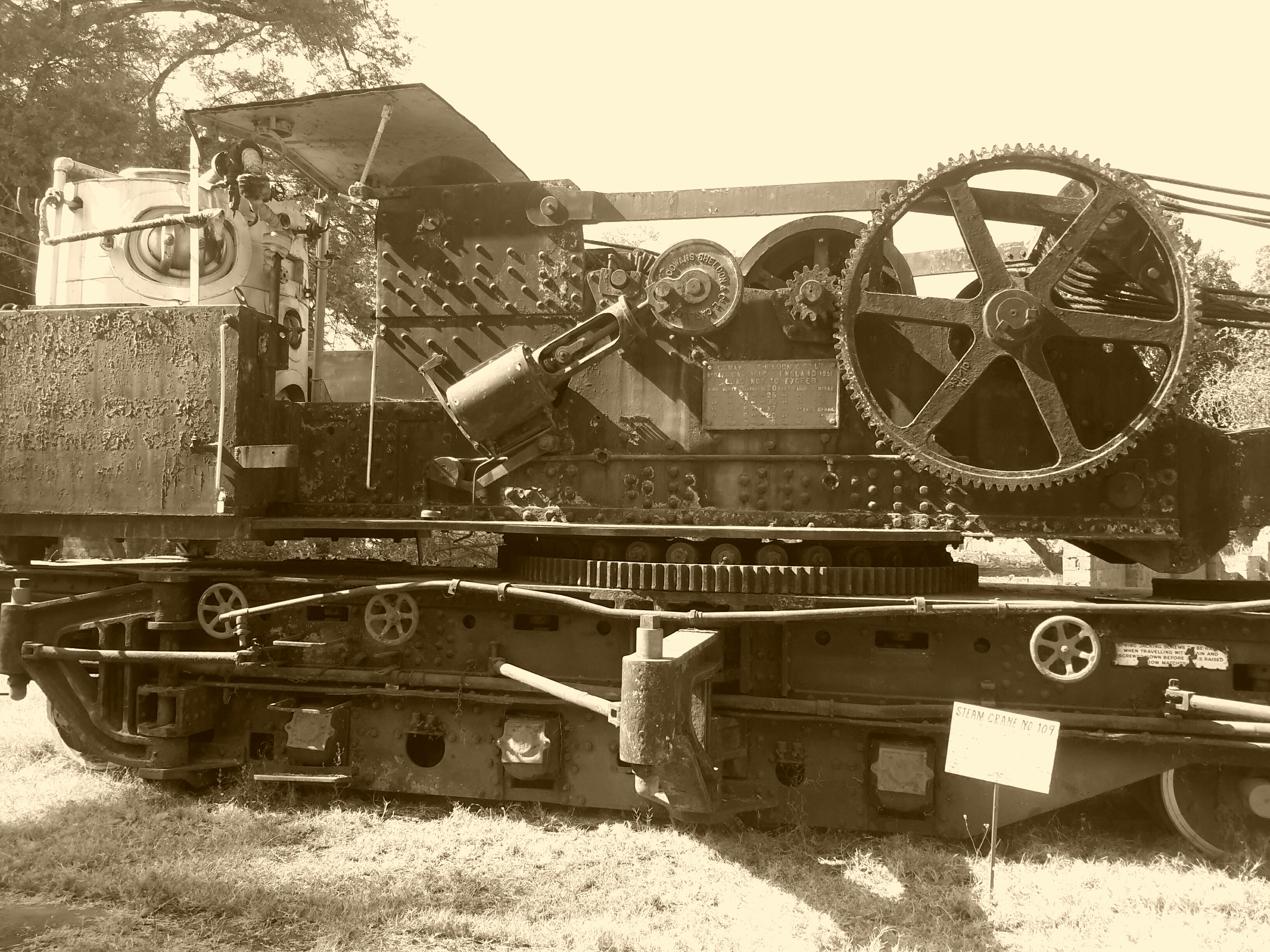
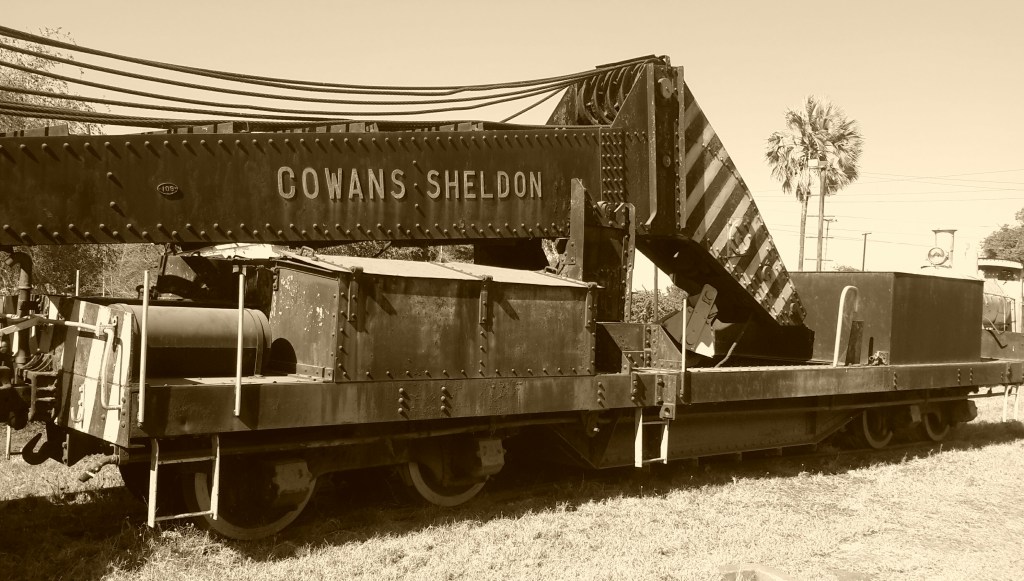
Steam Crane Number 109 built by Cowan Sheldon and Company limited in 1951 and the original owner was Rhodes Railways and the second owner was Zambia Railways. This steam crane also helped in the rescue of two passenger trains that crashed on 17th January, 1996 near a town called Kalomo. A good number of coaches over turned and had a lot of casualties.
How the Steam Engine works Display

As I kept up with my tour, I found this steam train with all sorts of labels showing how it works. From my observation, it appeared like the steam is generated by injecting water into a the boiler from the tank in the tender.
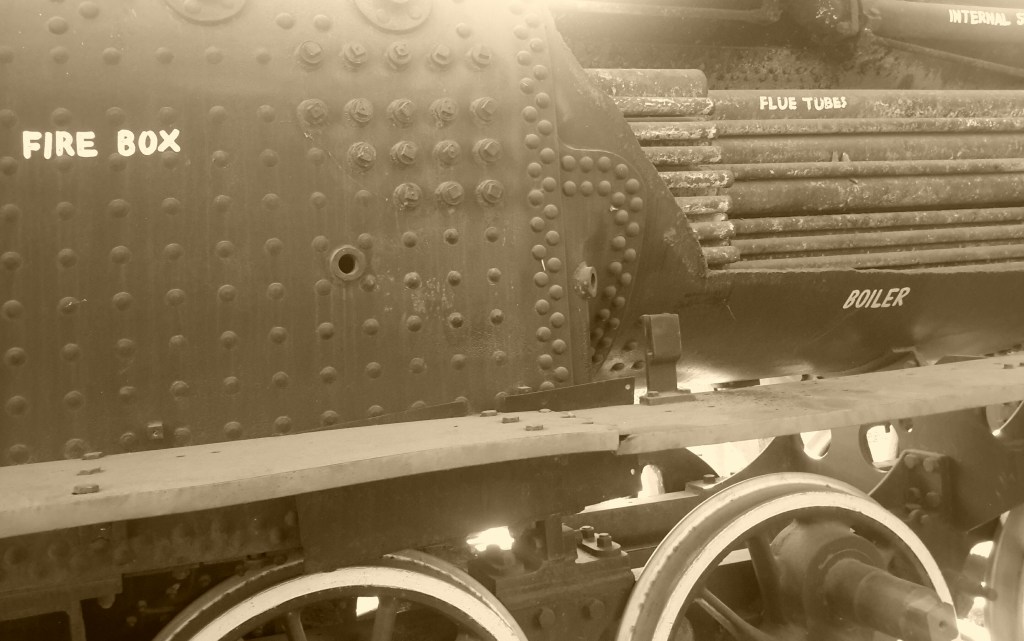
Then the heat energy from the fire box is transferred to the water boiler through the sides of the fire box, tube plates, smoke tubes known as heating surface. Changing water into vapour known as saturated steam is admitted into the internal dry pipe leading to the saturated side of the steam heater header and in the process closing the greasy air valve.

The saturated steam enters the element tubes where it travels twice in each direction. The hot gases passing through the flue tube to the smoke box further heats the saturated steam in the element tubes hence the steam becoming super heated and enters into steam pipes leading to the steam chest and piston valve head. With the valve open, steam enters the cylinders completing its power stroke. The exhausted steam is forced back through the port to the exhaust passage through the blast pipe and cap through the chimney into the atmosphere.

I think the short trip to this museum was worthwhile and I walked away knowledge-packed.
The 9 things you must do in Kenya, Mombasa as a solo traveller in 2024

When you think of visiting Africa to get the feel of it, one of the first countries that will cross your mind is Kenya.It is the epitome of Africa. Maybe at this moment, you are planning on doing Kenya or perhaps you even recently got here. You will surely love the Africa it really is. We all wanna visit Kenya for different reasons be it for work, projects, sport, politics whatever…., the fact is, there is that one day you will be up to planning what to do there.

Though this is a thought that could come from a local person as well, the tourist would have to get more knowledge on what this place has to offer. What activities can you do that may involve money (but not always) and still make your stay in Mombasa worth while, well spent and enough reason to wanna tell a story to someone like am doing?

About Mombasa

Mombasa is a coastal city in Kenya along the Indian Ocean. It has been said to be the second largest city in Kenya. This town is one of the coastal touristic spots in Kenya and I discovered it is super rich in history!!

Now that you are here or still thinking to be, not all your days can or should be planned. Sometimes we leave room for spontaneity. The day you choose to just go by a plan, do remember to jot down some of the activities you could do whilst in Mombasa and these are based on what I personally did. Some activities are totally free but some would cost just a few bucks.


1. Take a free ferry

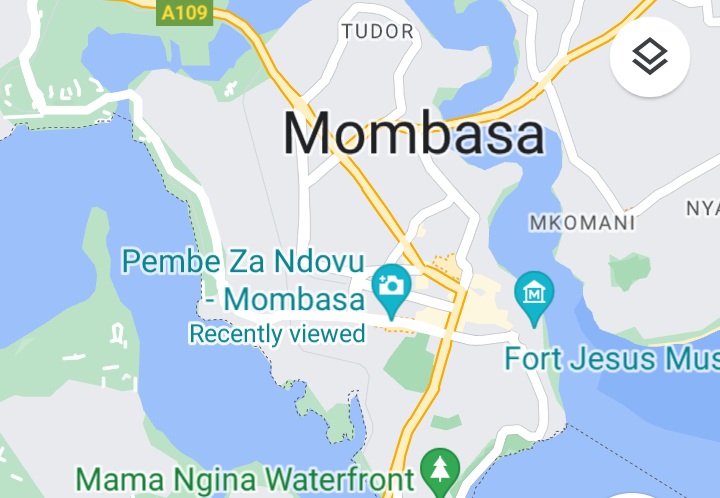
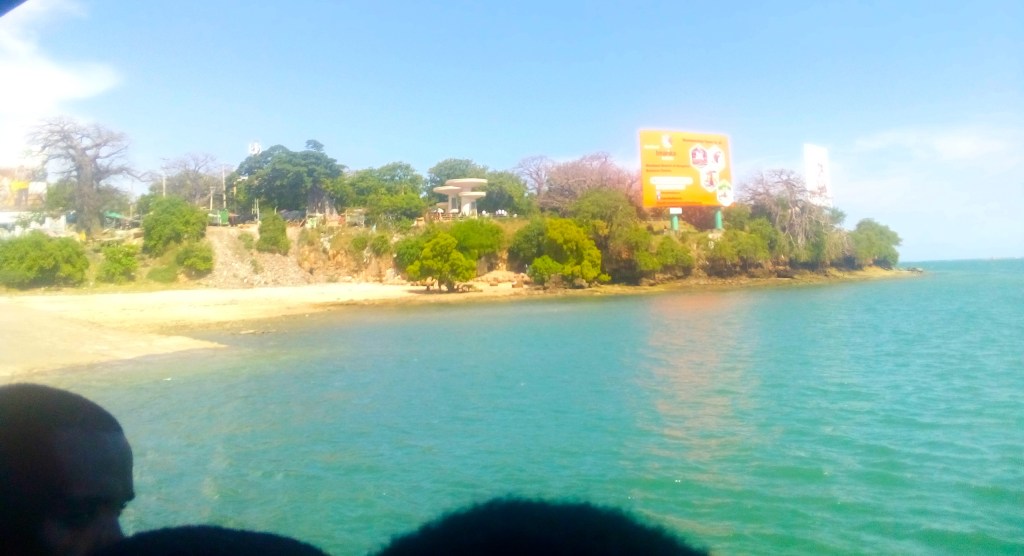
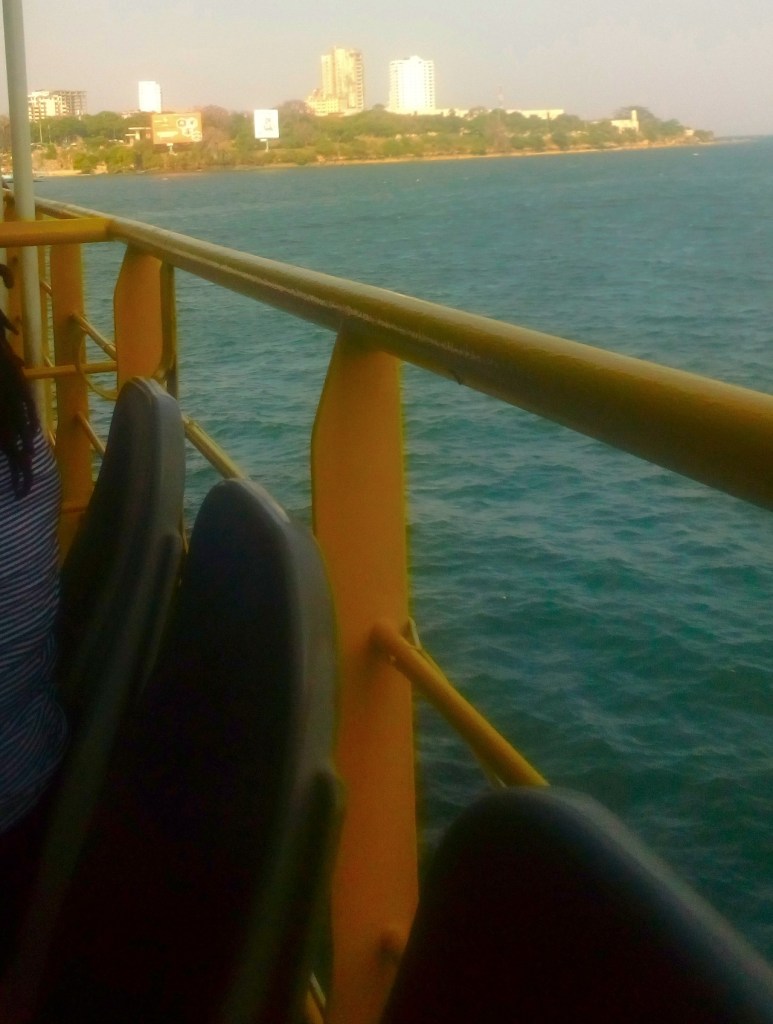
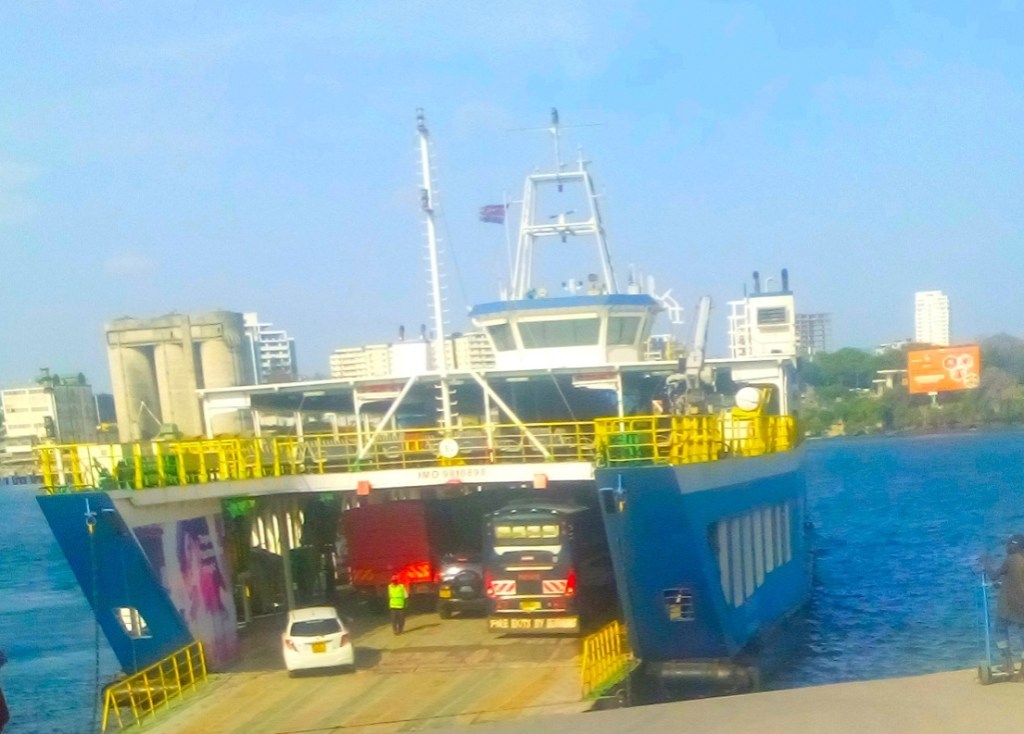
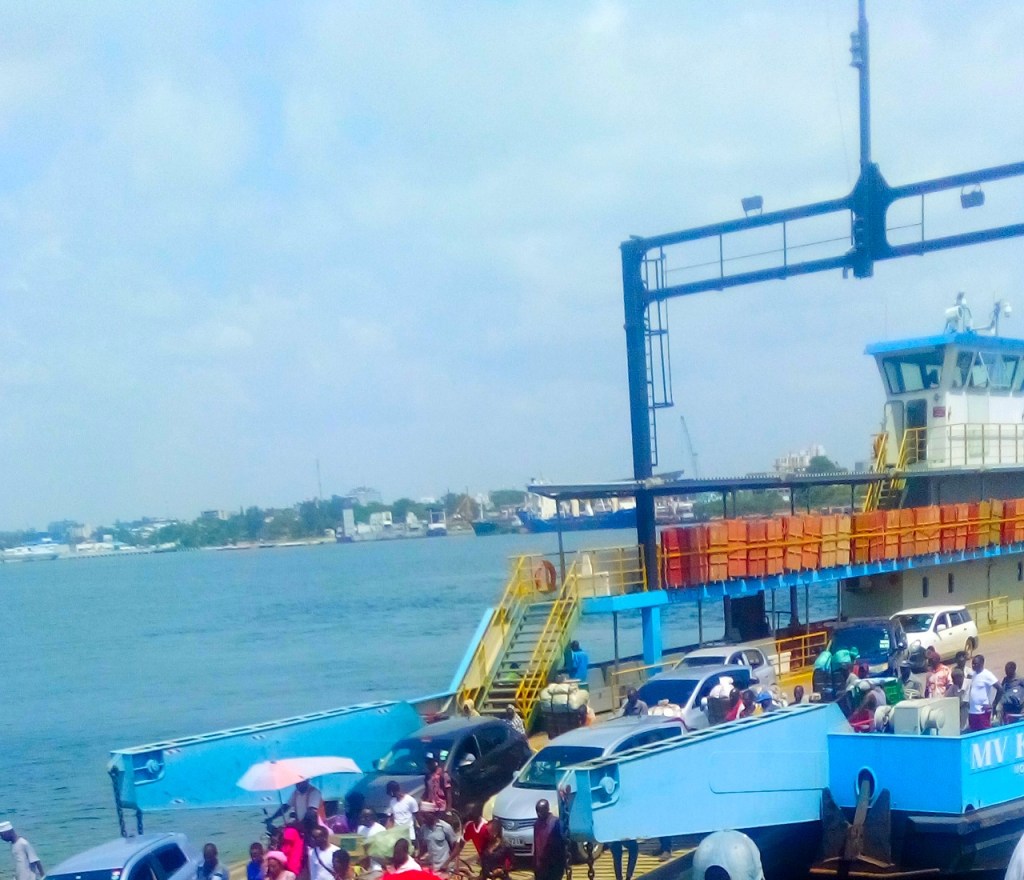
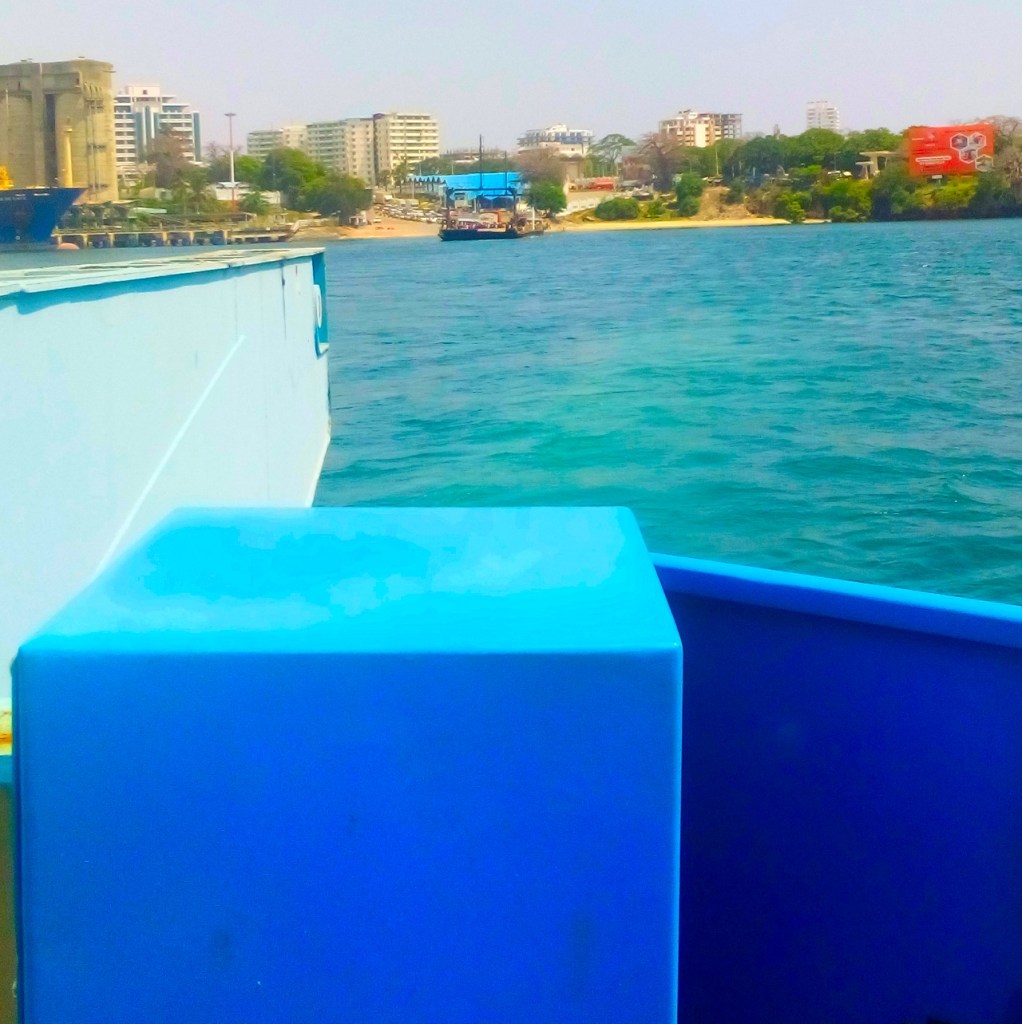
Yes you heard me!! Free! This is a ferry you would enjoy free of charge for a good 10 to 15 minutes and there are a number of trips made in a day. Mombasa being on an island is the reason to enjoy Likoni Ferry which serves Mombasa and Likoni. You will find ferries carrying both road and foot traffic. These ferries are operated by Kenya Ferry Services. It is completely free as a passenger but there is a cost for vehicles, motorcycles, trucks etc. I used this ferry for a necessary move but I must confess because we don’t have a beach in Zambia (what I hate about landlocked countries), I sometimes used this ferry for the fun of it.

2. Enjoy some tennis at Mbaraki Sports Club

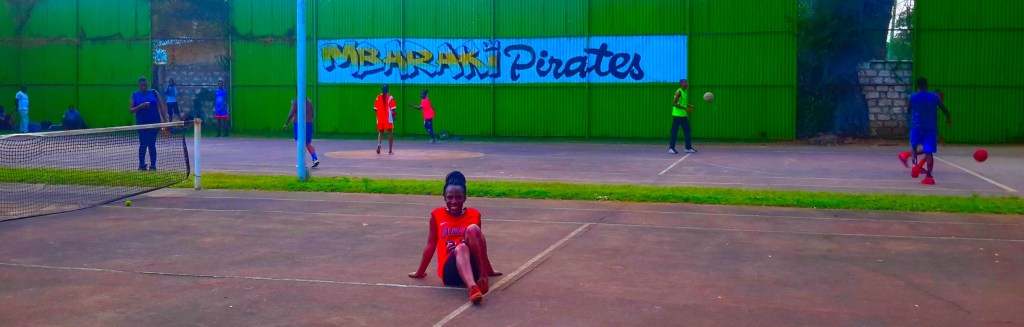
Sorry to be specific here but you could actually play other kinds of sport here by making either prior arrangements or just popping up and joining in. This gives you the opportunity to mingle with and get closer to the real Kenya through associating with the locals. I had so much fun having tennis tournaments with the local kids I met at Mbaraki Sports Club.

3. Spend time with camels at Diani Beach

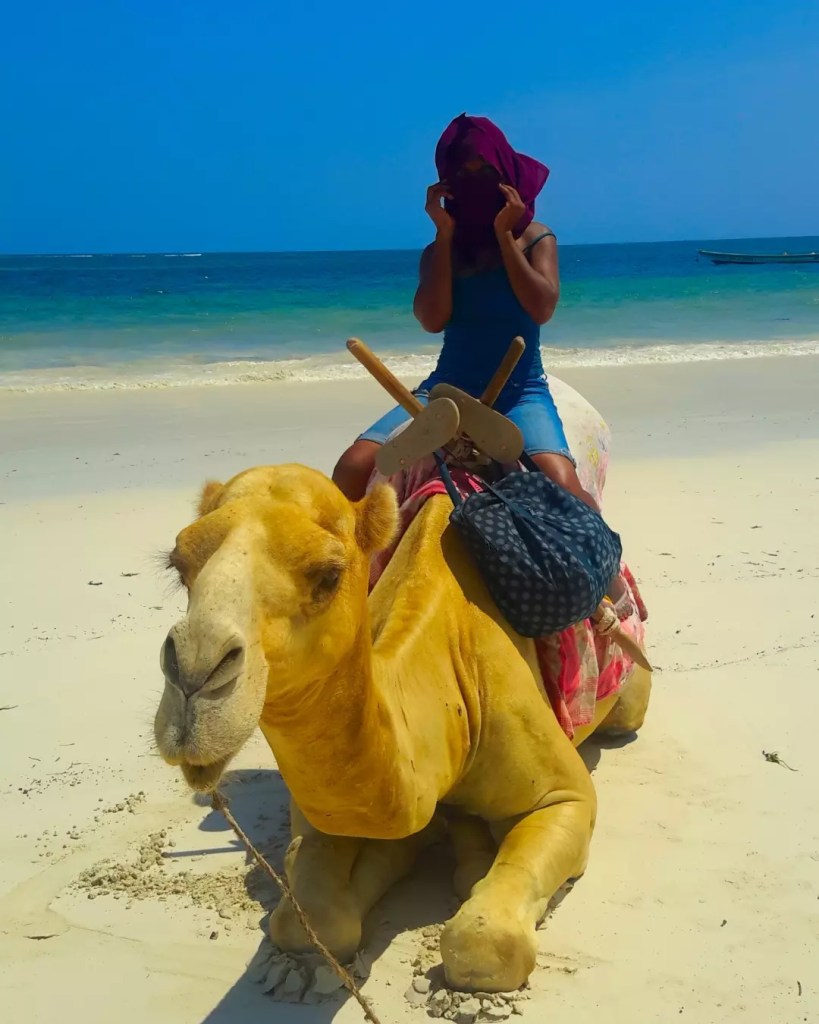
I chose to spend some time at Diani Beach just because a camel is one animal I saw last when I was little…at a zoo and I really did not like the reaction I got from it because I tried getting it’s attention by calling out but it didn’t even bother to look or even move. My impression was camels are not that friendly and my opinions of camels changed when I visited Diani Beach.

To enjoy these camel rides just have about 5 to 10 bucks on you and I guess you could pay more if you keep increasing your hours on its back. I was happy to have met a camel that reciprocated my love unlike the one in my childhood. Laban was his name and my regret is not packing some apples or bananas before this trip. I really don’t know what sort of menu Laban has but I should have shown him a bit of appreciation for taking advantage of him.

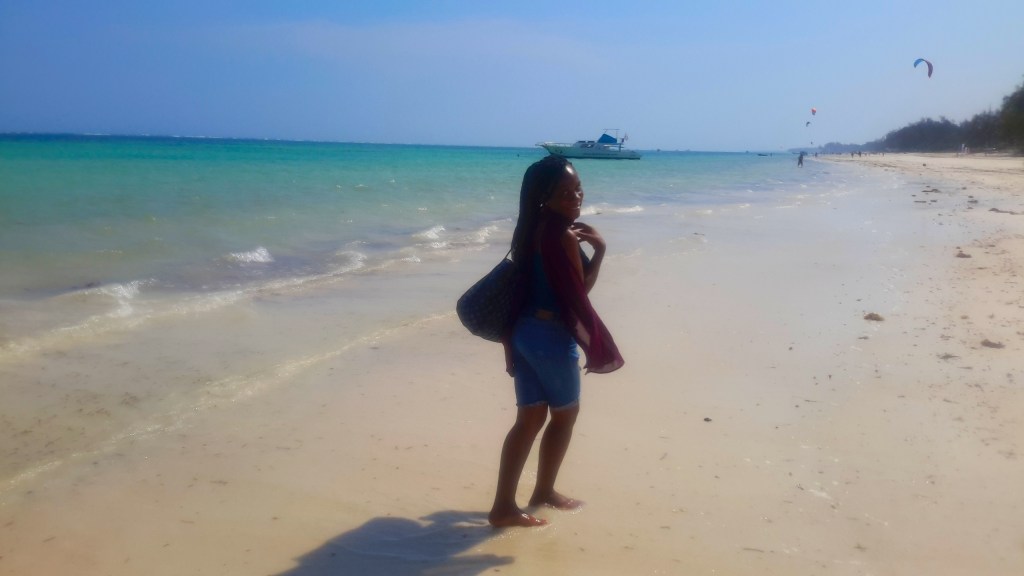
4. Hike and hydrate on the beaches while picking shells

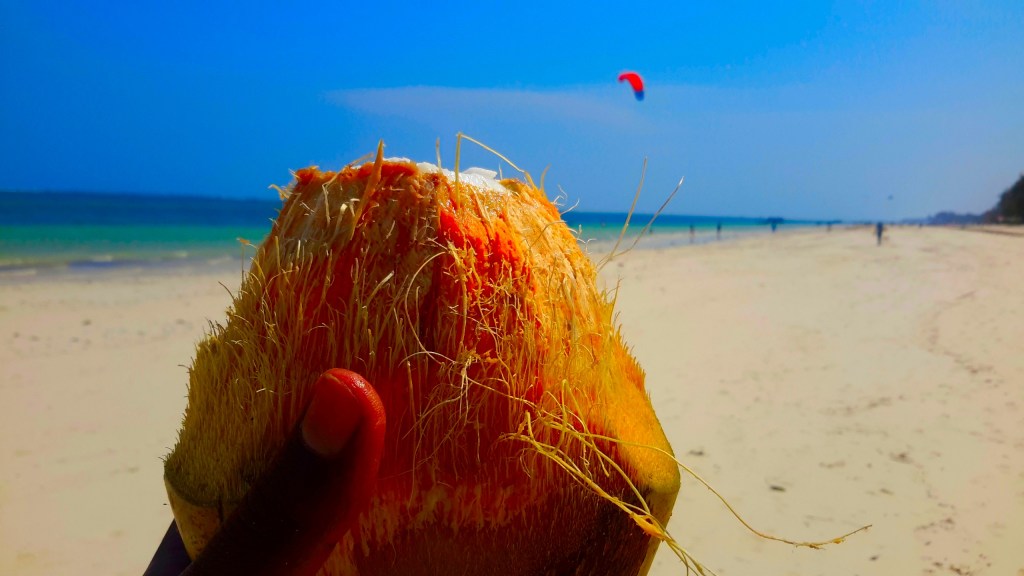
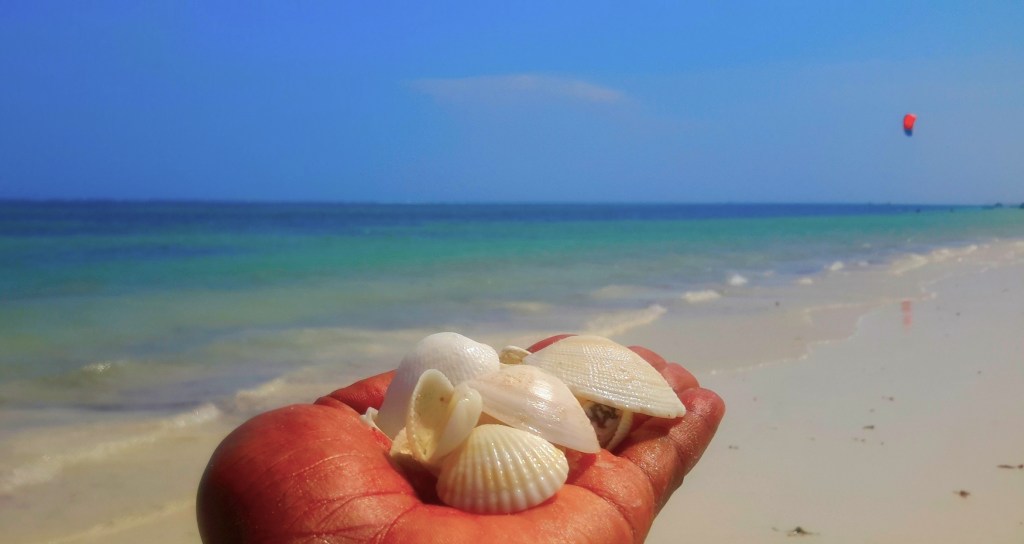
I know that heat levels in my country Zambia can be quite high and unbearable but not to the extent I found the heat in Kenya! As you enjoy this overdose of Vitamin D, cool off with some coconut water sold almost everywhere at the beaches and in town.Take a hike on the beach enjoying all the lovely views and you could even make them longer!My favourite of them all is to add to my shell collection!

5. Spend time with locals on the Shelly Beaches

Beaches do differ in vibe and while others are touristic, others aren’t. I must say Shelly beach is a beach you will find locals. I did spend time surveying it but I must say I met many wonderful locals there and ate lots of good local food. Try this place out!

6. Do shopping malls

I don’t know about you but I do like me some shopping! Don’t you? You could shop hop and enjoy some treats. Next to street food, the cheaper places to get your meals from are supermarkets and I recommend Naivas which came in handy when I didn’t have to do restaurant food.

7. See some of the cool landmarks of Mombasa (Pembe Za Ndovu)

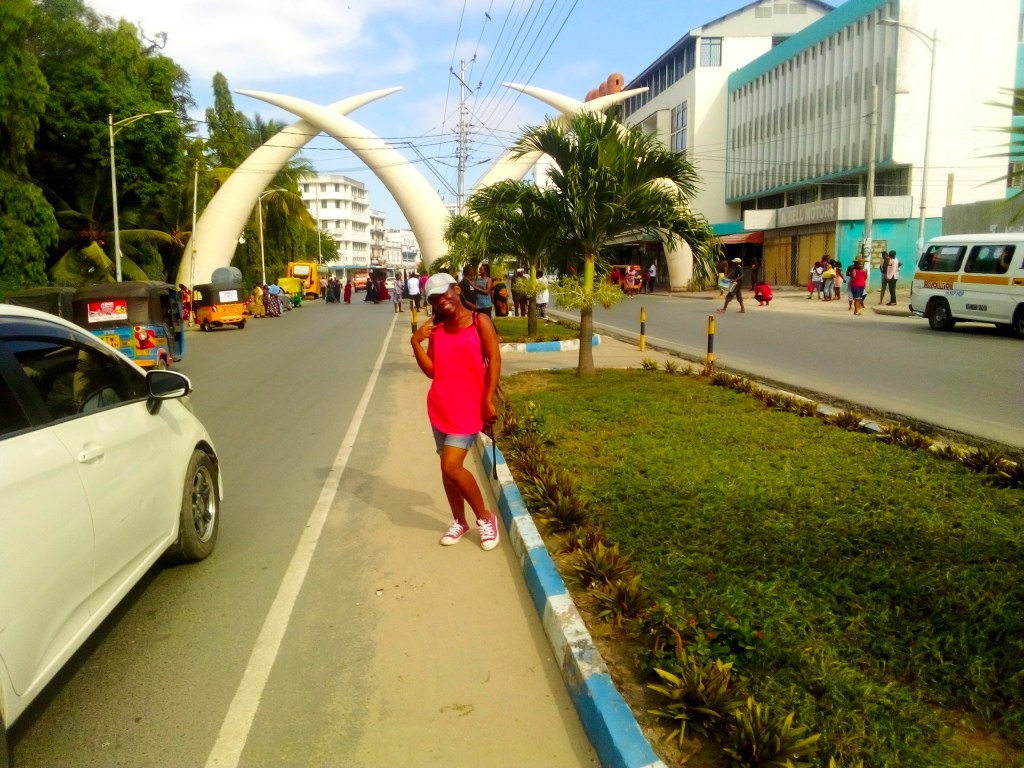
Some of the other activities I involved myself in were to get to know my immediate environment and appreciate cool landmarks like the Pembe Za Ndovu or Pembe Mbili monument which is so highly valued and is a story for another day………This monument is a set of elephant tusks you should never leave Mombasa without showing some love to. If it means a lot to the Kenyans, it should be appreciated by tourists. A good 10 minutes was enough love for them.

8. Grace Fort Jesus with a visit

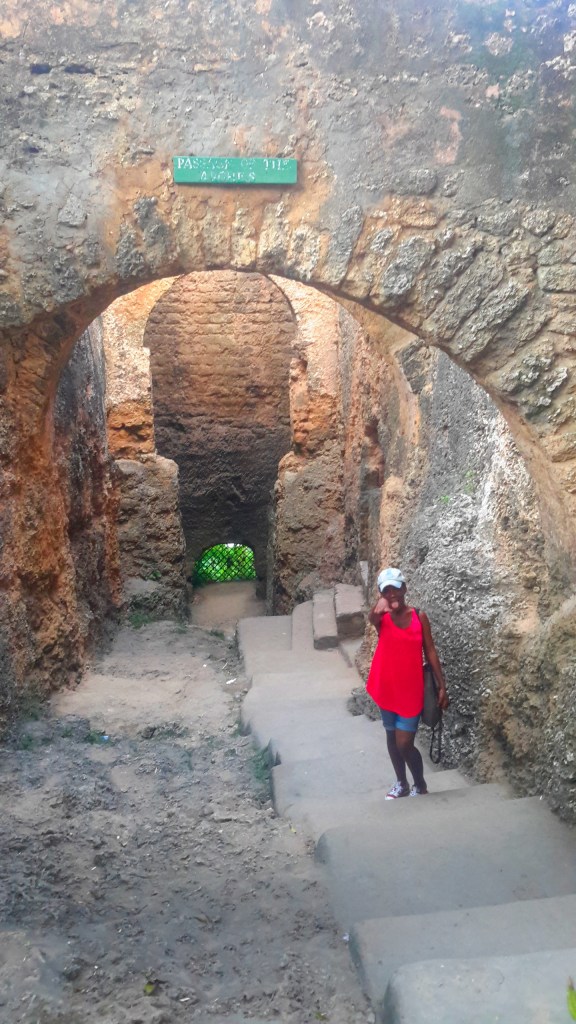
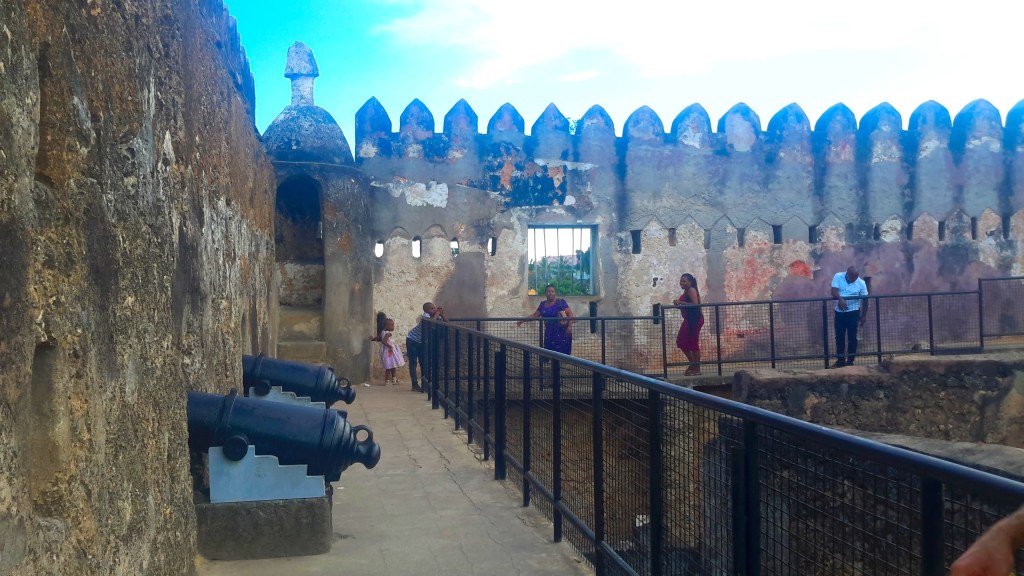
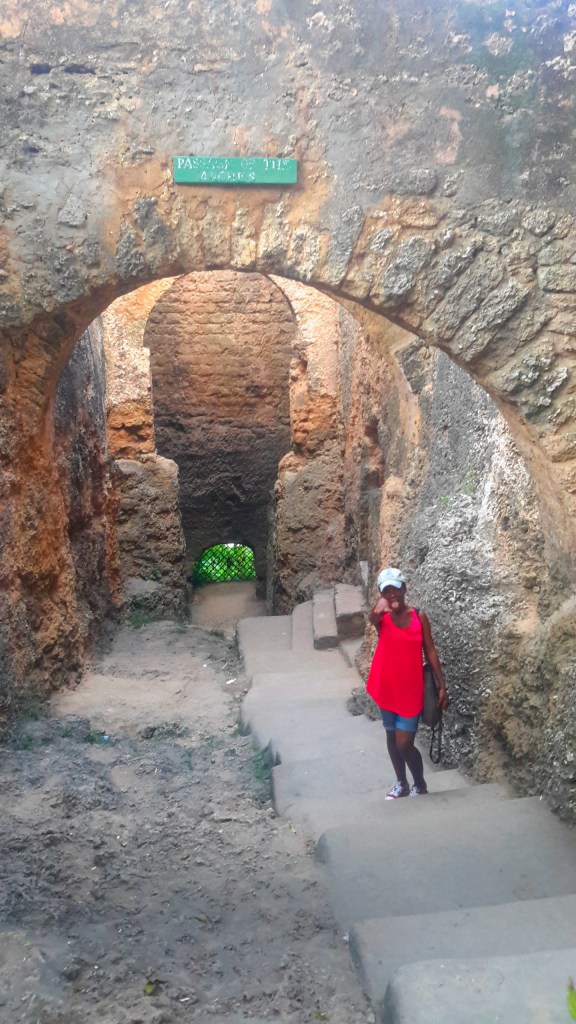
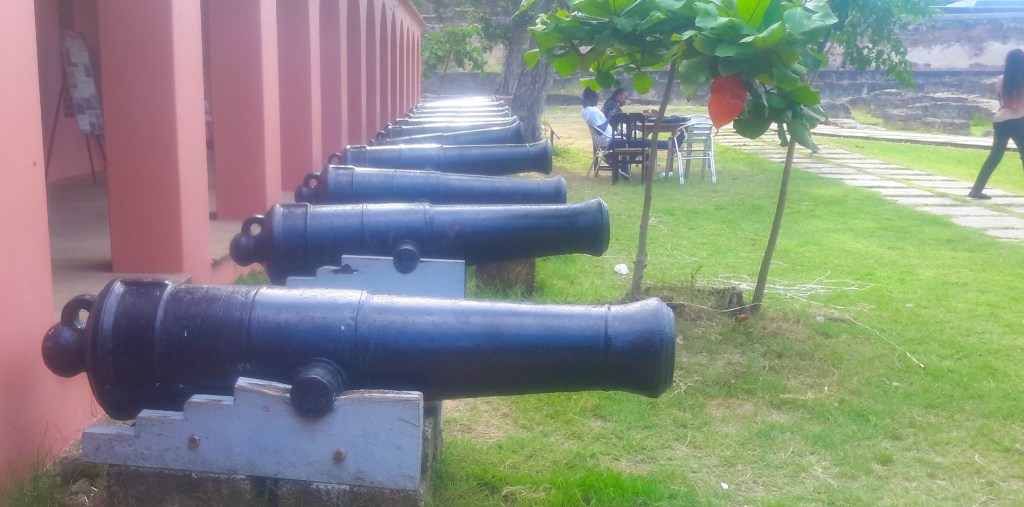
I was here for a tour that I feel in my heart did not really end probably because of time. This fort is the pride of Mombasa and is so rich in history which explains my need to go back because I did not finish reading articles displayed in the museum but if it so happens that I don’t go back, I must say it was amazing to still see this fort. I learnt quite a lot here.

9. Admire the Old Town

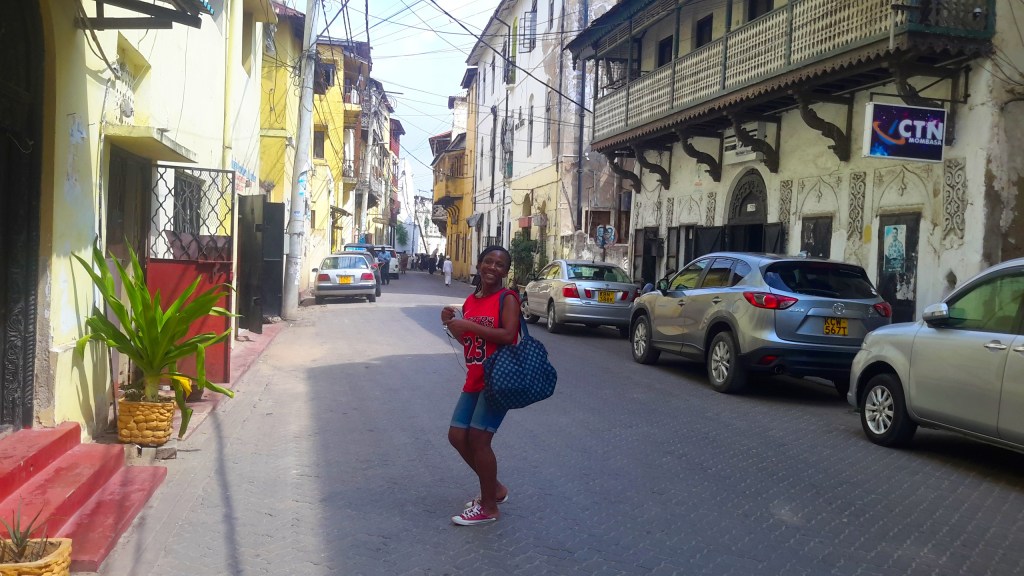
Old Town is on the South of Mombasa and I was amazed by the historical buildings that date way back in time and history says it was the main centre for trade between Africa and the Arab world. It was amazing to see in this place the first hotel in Kenya and just walking around In this town made me feel I used a time machine to go back in time

Would I tour Fort Jesus again?(Part 1)

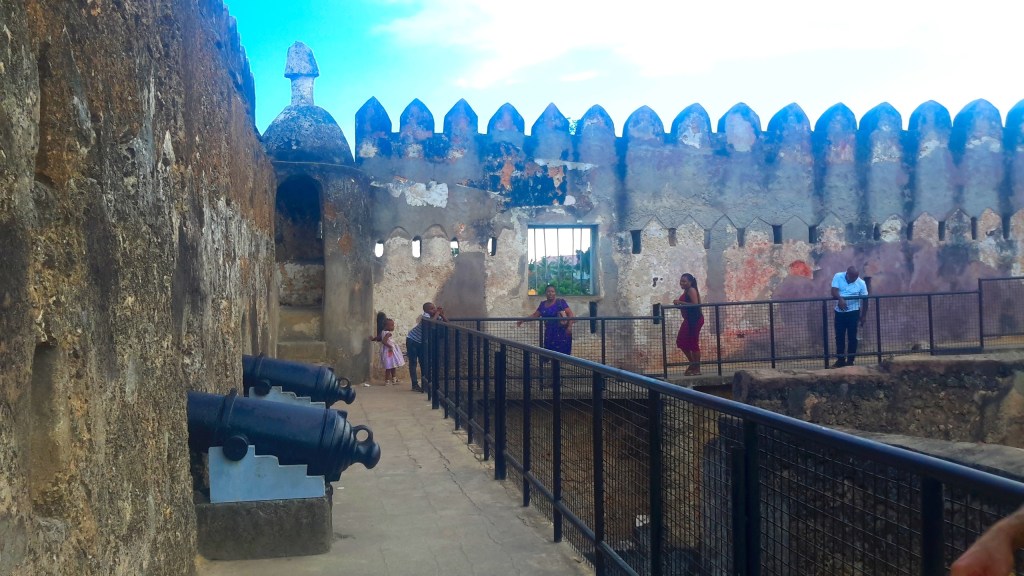
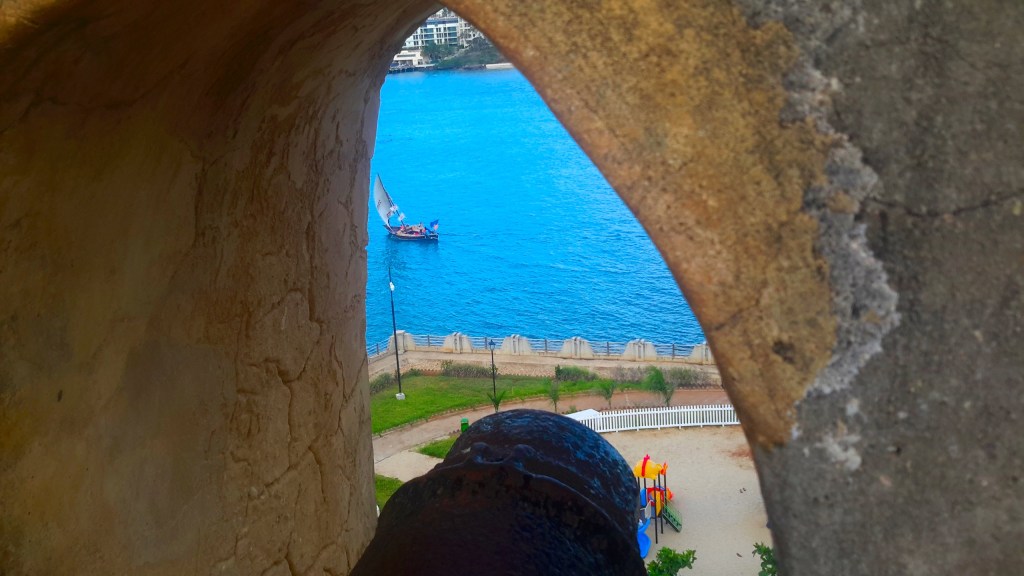
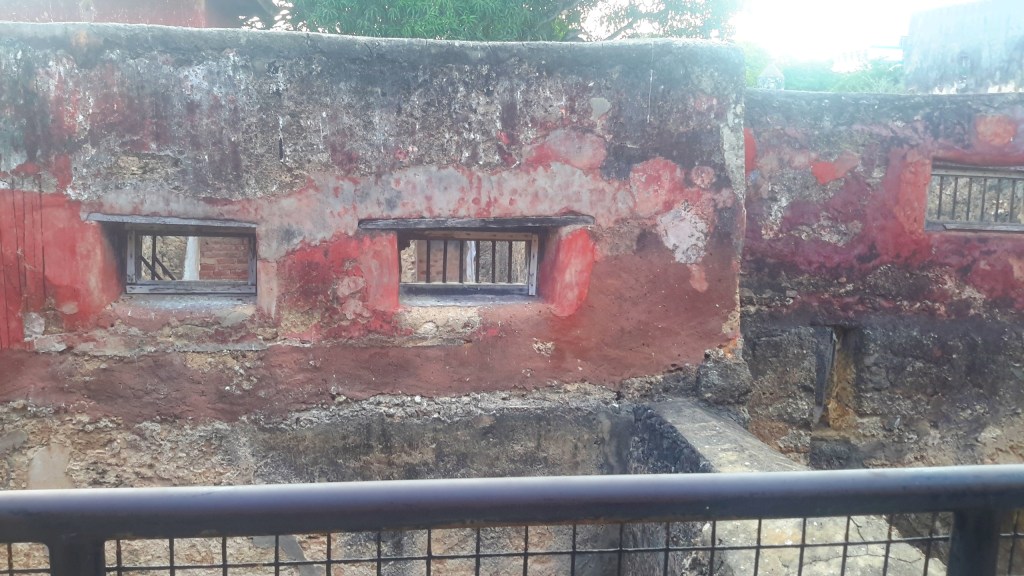
Into the heart of the fort itself

Given a chance and money, there are lots of places one would love to view whilst travelling.My time in Mombasa was not planned for. It was more of, ”I will see and enjoy whatever is in Mombasa.” Plus, I needed just a change of scenery to clear my head from being that busy high school teacher who never easily gets free time.

I usually do countdowns towards the end of a school term because of a dire need to unwind in places far from home.Talk about the power of change of scenery! It was my first trip to Kenya and not in the slightest do I regret being in Mombasa. You can’t separate Mombasa from Fort Jesus which is a tourist attraction in this old town of Mombasa that is dated ancient. Where are all the historians?

Counting down to term break🥴

Getting there

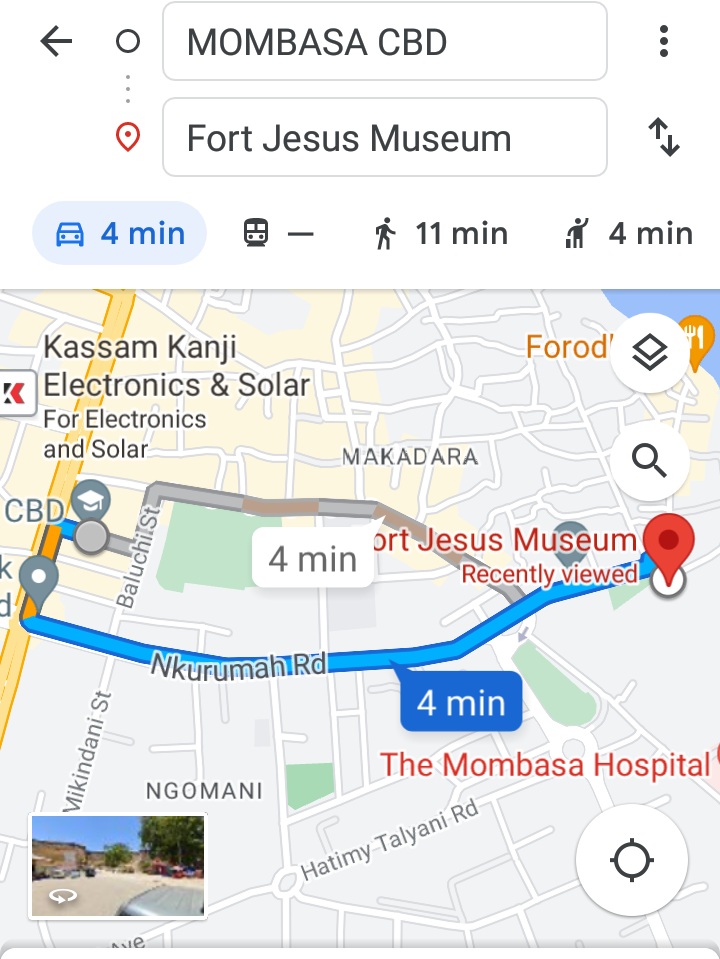
As usual, this depends on where you are in Mombasa. And am thinking you are in the heart of Mombasa so getting to Nkurumah road should not be a problem. I took a boda boda (motorcycle) to the Fort. This didn’t take too long.

Now of course being a non resident, do not expect to pay the same price as the locals would and this is usually the case when it comes to tourist attractions unlike other things like taxi fares, groceries and what not. No discrimination fee here lol! Fort Jesus will cost you just about 10 dollars or so.

Historically speaking, what about Fort Jesus?

I have shared before how I am not a history geek nor am I geeky in general but at least I know why my history results in school weren’t that appealing. I am a hands on kind of person and not having enough school trips in history class back in the day could be the reason but it’s never too late to appreciate history the way I would have loved to. But then again am thinking, how much was it gonna cost to learn about Europe all the way from Africa the hands on kind of way! Lol! Pricey, right?

I discovered that this fort was built by the Portuguese in the 16th century on the coastline near Old Town, Mombasa. It was designed by an Italian architect Jao Batista Cairato and built as a refuge place for those Portuguese that lived on the coastal areas.

It has been said that this fort was built in the shape of a man when viewed from the air that is and later on after a series of its capture and recapture, was under the British rule converted into a prison. In the 20th century, it was declared a national park and later on UNESCO declared it a World Heritage Site. It turns out that in this day and age, Fort Jesus is one of the most visited places in Mombasa, Kenya. But will I tour Fort Jesus again?

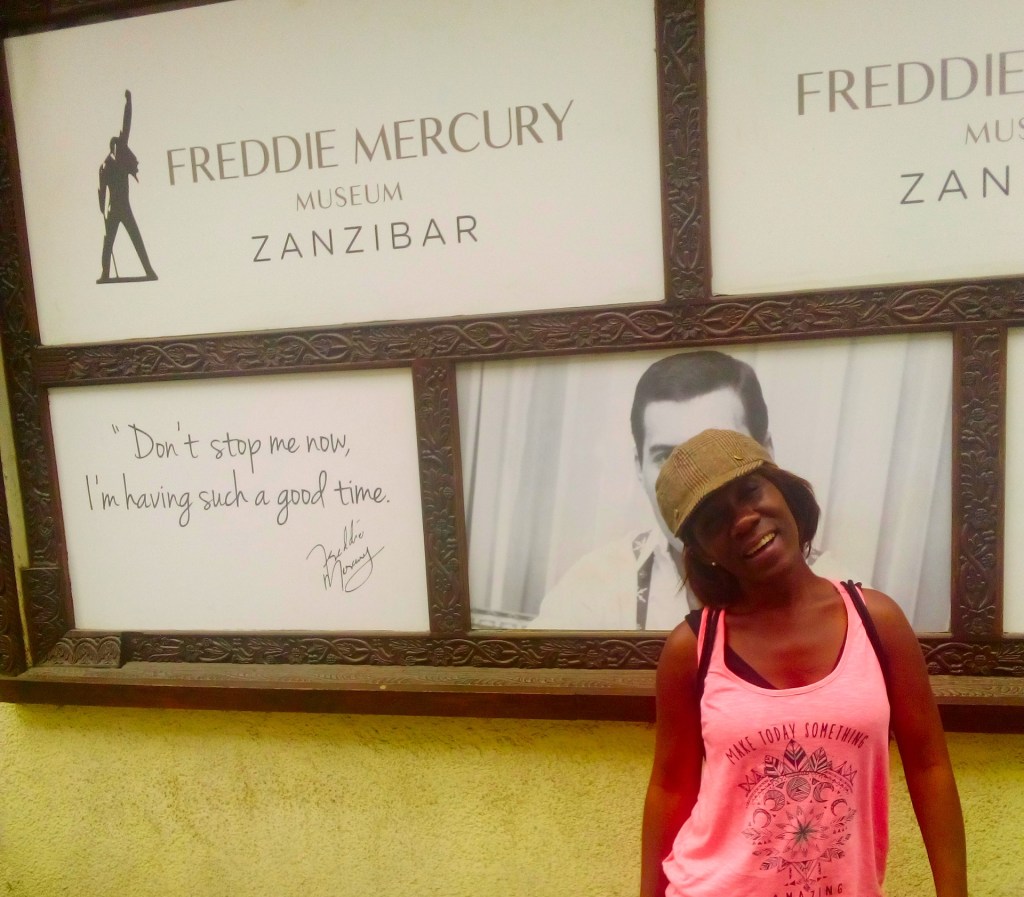
Freddie Mercury Museum, Zanzibar’s very own

Me at the museum

For those that love history, appreciate it and actually make time for it, Freddie Mercury Museum is a must see.It is located in the heart of Stone Town in Zanzibar.It officially opened in 2019 and commemorates the beloved rock music legend, Freddie Mercury.

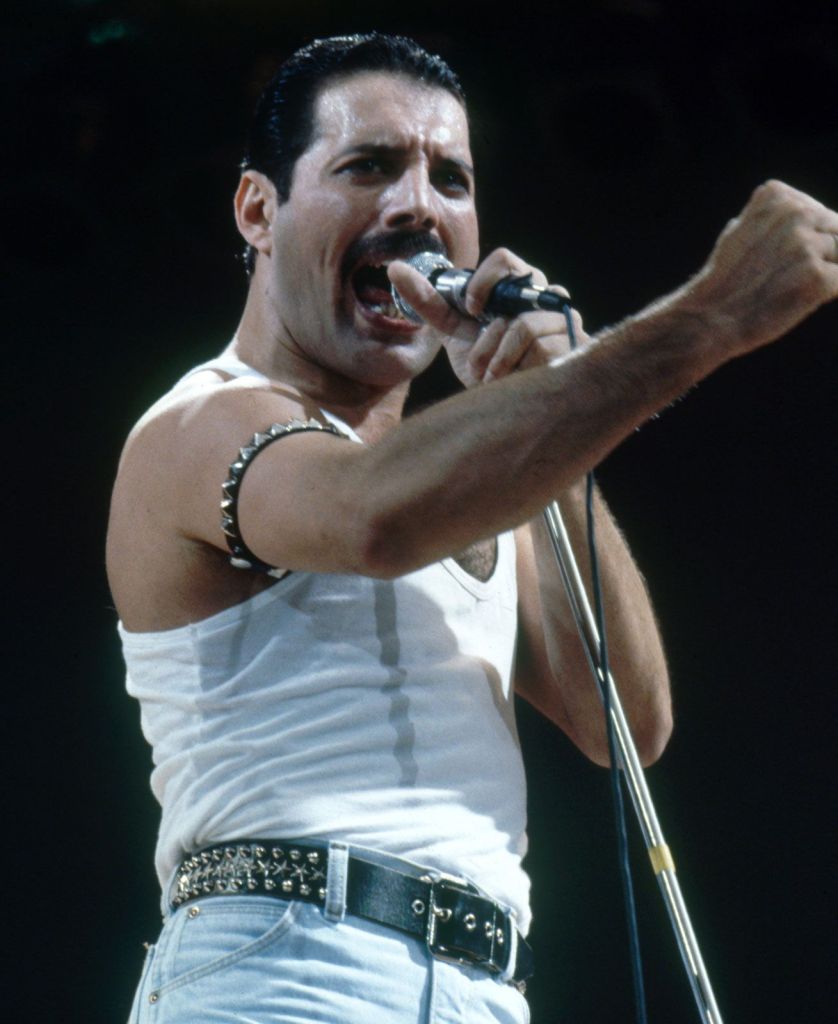
The man himself, Freddie.

So who was this Freddie Mercury?He was a British singer and songwriter who achieved worldwide fame as the lead vocalist of a rock band.He was ……..wait for it…….born in Stone Town, Zanzibar!

If you are that tourist with history thirst, you do need to bucket list this.

Blog at WordPress.com.

Up ↑