

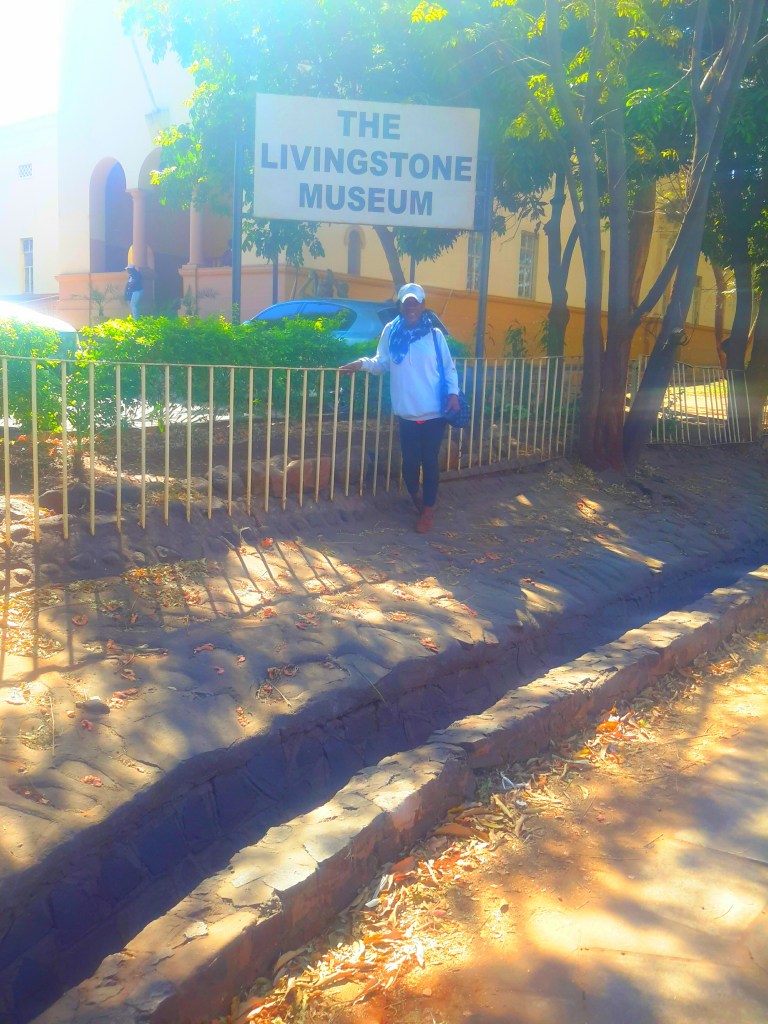
Visiting The Livingstone Museum in Zambia is like stepping into a time machine, one that whisks you through the pages of history, culture, and the untold stories of a vibrant nation. As Zambia’s oldest and largest museum, it offers a treasure chest of artifacts and exhibits that bring the past to life. From the tools of ancient warriors to the personal belongings of legendary figures, every corner of the museum tells a story.
A Glimpse into Zambia’s Fight for Freedom
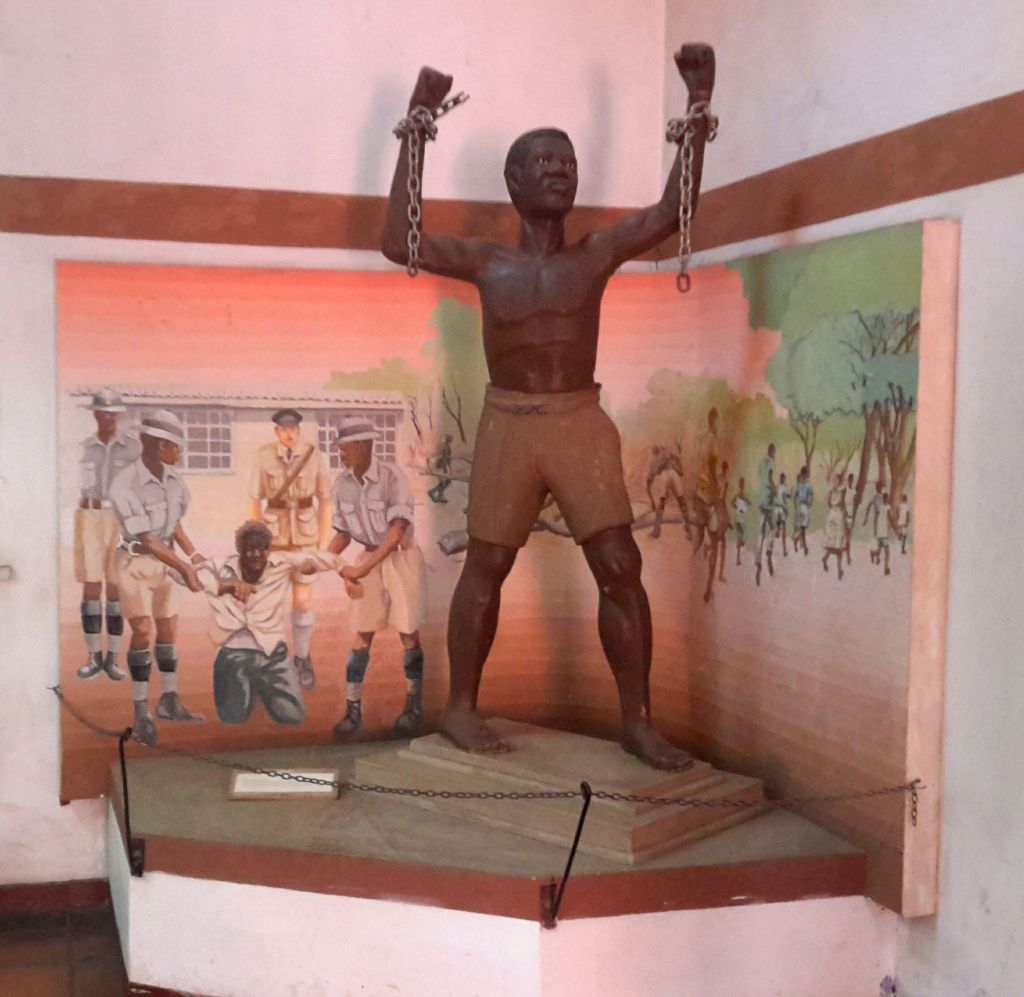
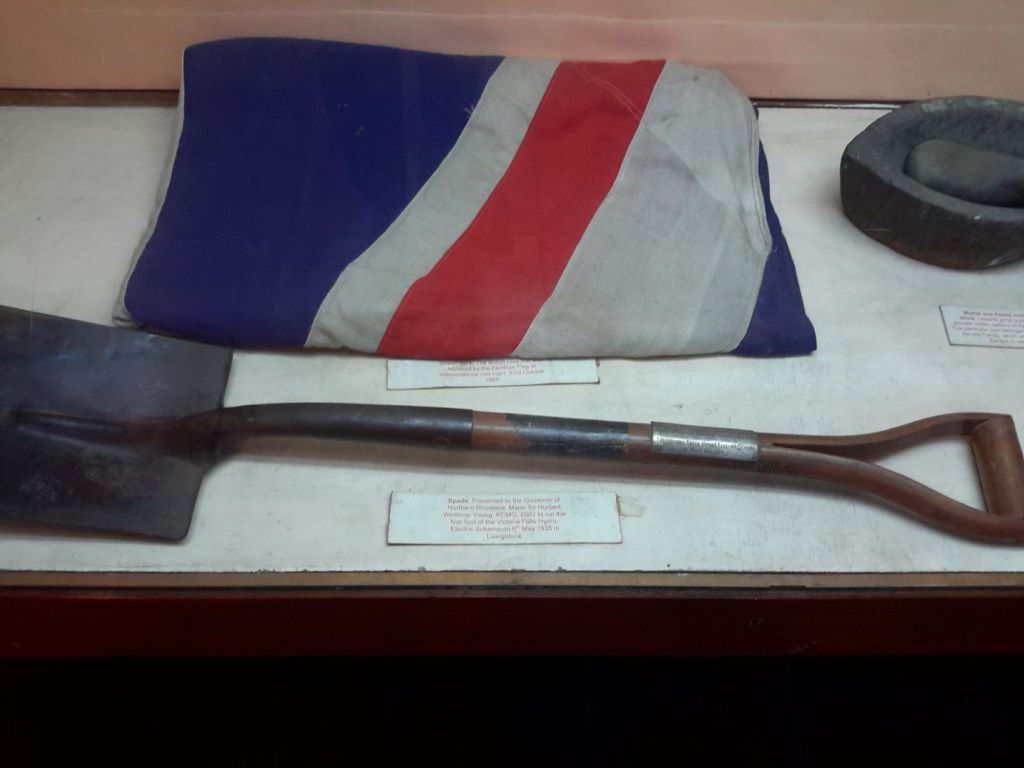
The story of Zambia’s independence is proudly showcased in the museum. A statue commemorating freedom from colonial rule stands tall, symbolizing the nation’s journey from oppression to liberation. Next to it, the sight of the British flag reminds visitors of Zambia’s history as a British colony, a reminder of the courage of the Zambian people.The story of Zambia’s independence is proudly showcased in the museum. A statue commemorating freedom from colonial rule stands tall, symbolizing the nation’s journey from oppression to liberation. Next to it, the sight of the British flag reminds visitors of Zambia’s history as a British colony, a reminder of the courage of the Zambian people.
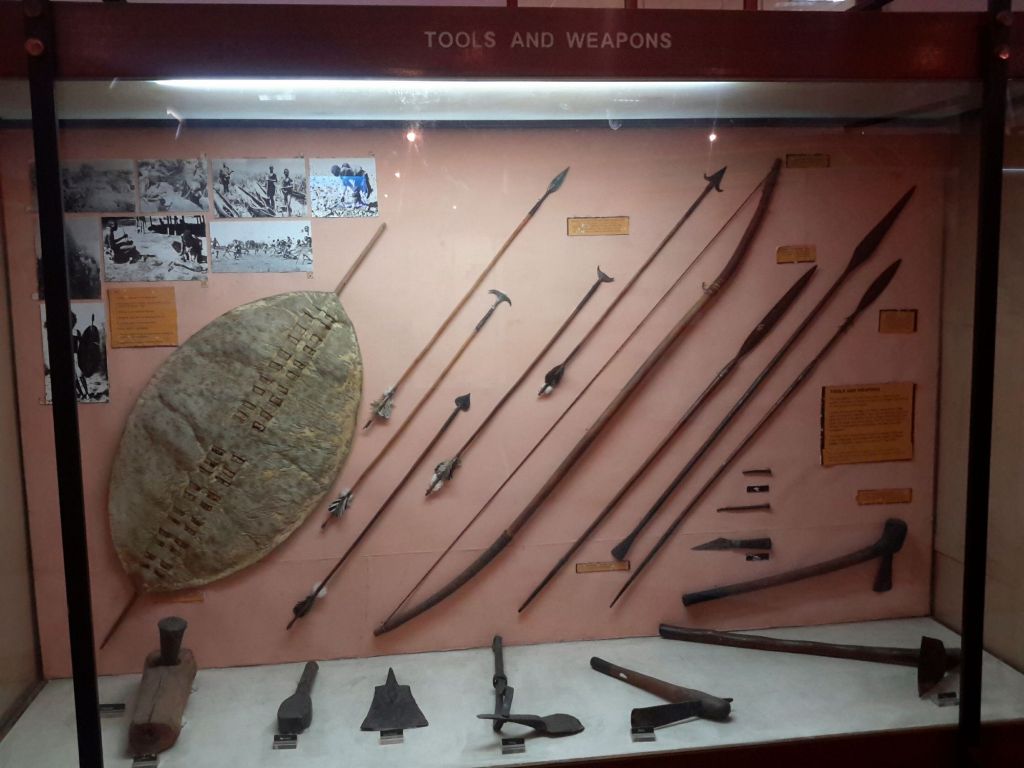
You’ll find traditional weapons like spears, bows, and arrows, used by Zambia’s ancestors for both hunting and protection. These artifacts offer a vivid connection to the bravery of those who lived long before the modern era.
The Legacy of David Livingstone
At the heart of the museum’s collection is an impressive exhibit dedicated to David Livingstone, the legendary explorer and missionary. His personal items are on display, including his travelling trunk, which looks like a rugged, well-worn chest ready for an adventure. You’ll also see his coat, his letters, and even his journal, each offering a glimpse into the life of a man who explored territories and made history along the way.
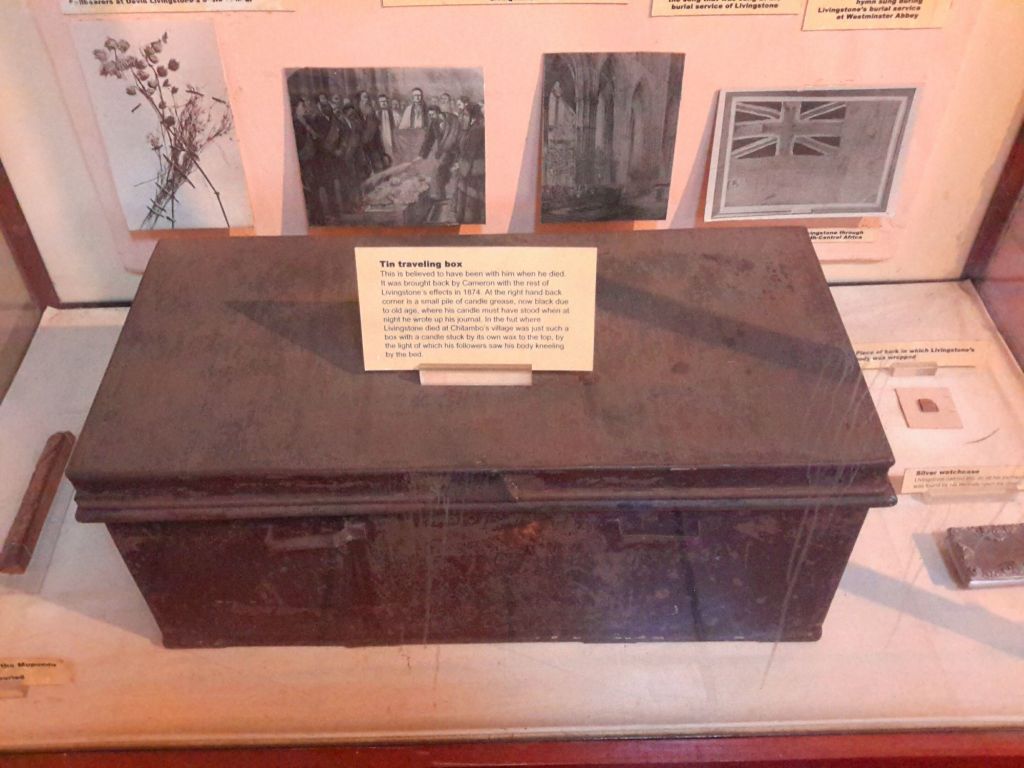
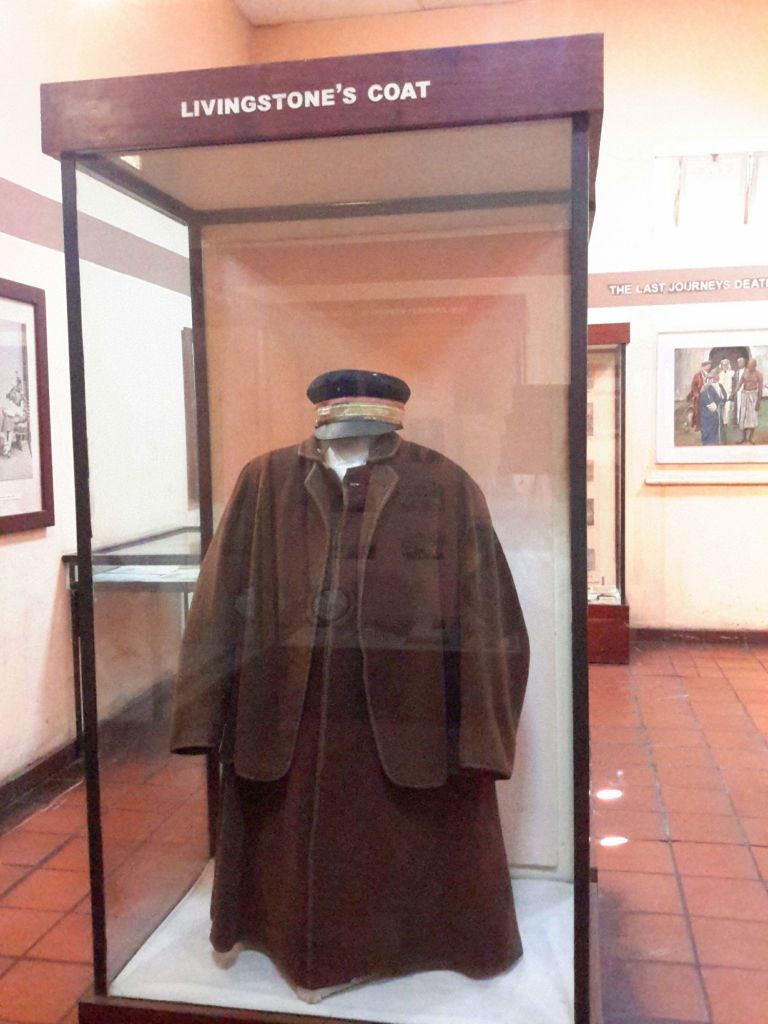
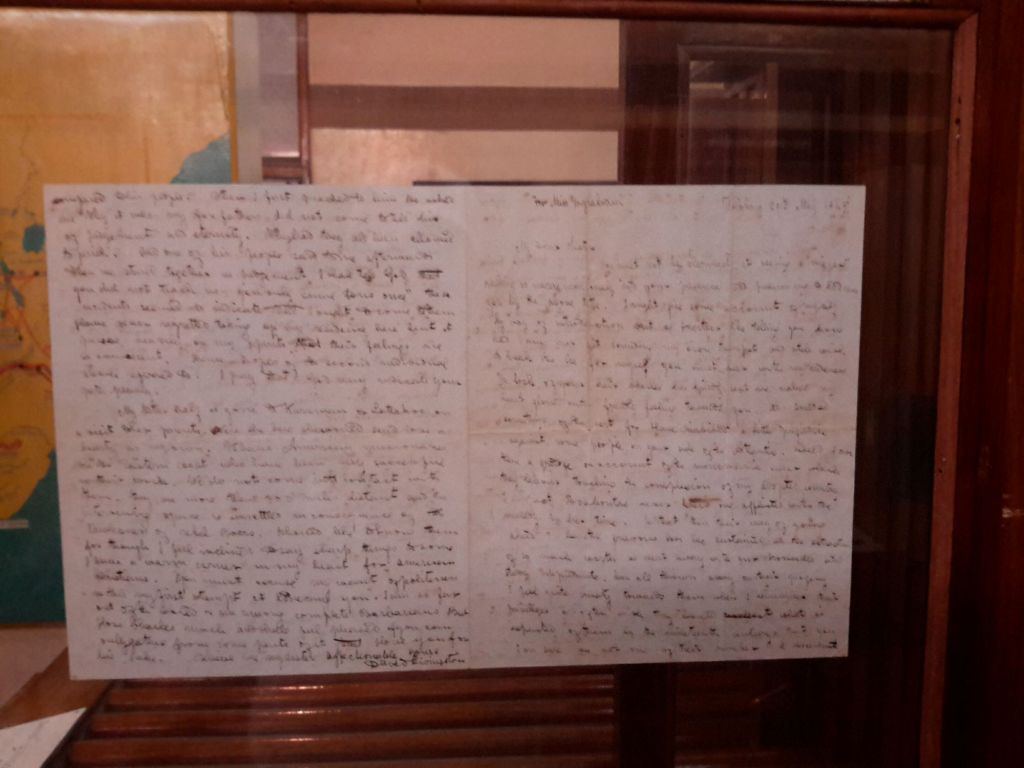
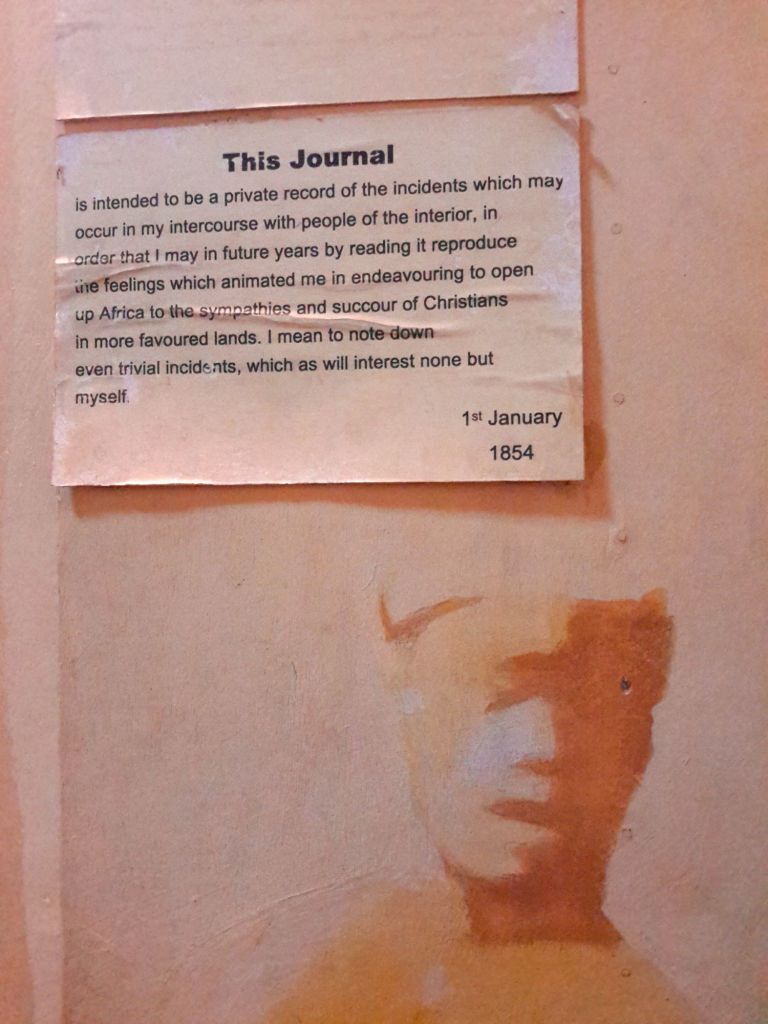
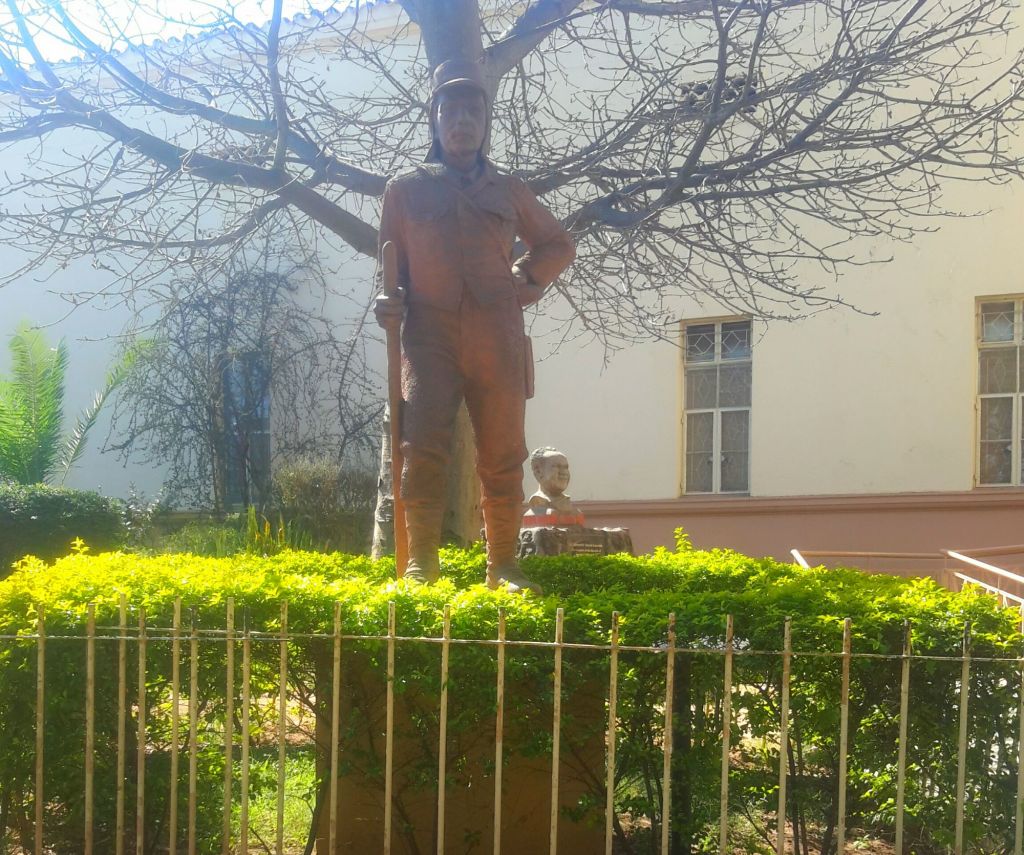
The museum also features a statue of David Livingstone, a reminder of his enduring impact on the region and its history. His story is intertwined with Zambia’s past, making this exhibit an essential stop for anyone curious about the country’s journey.
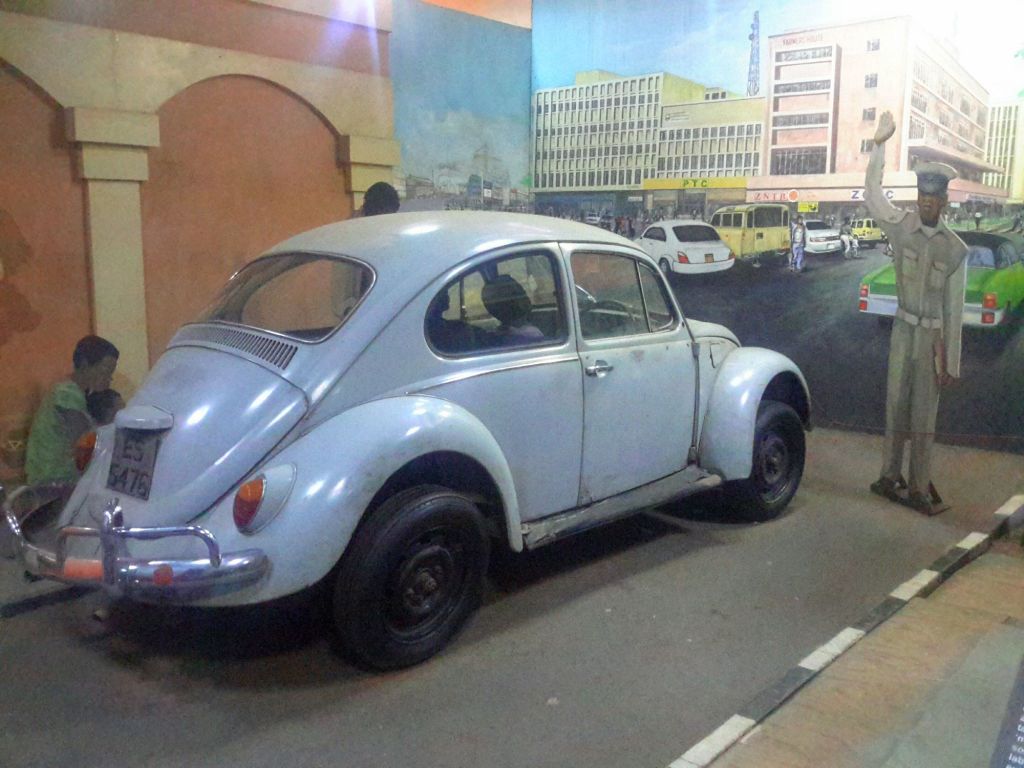
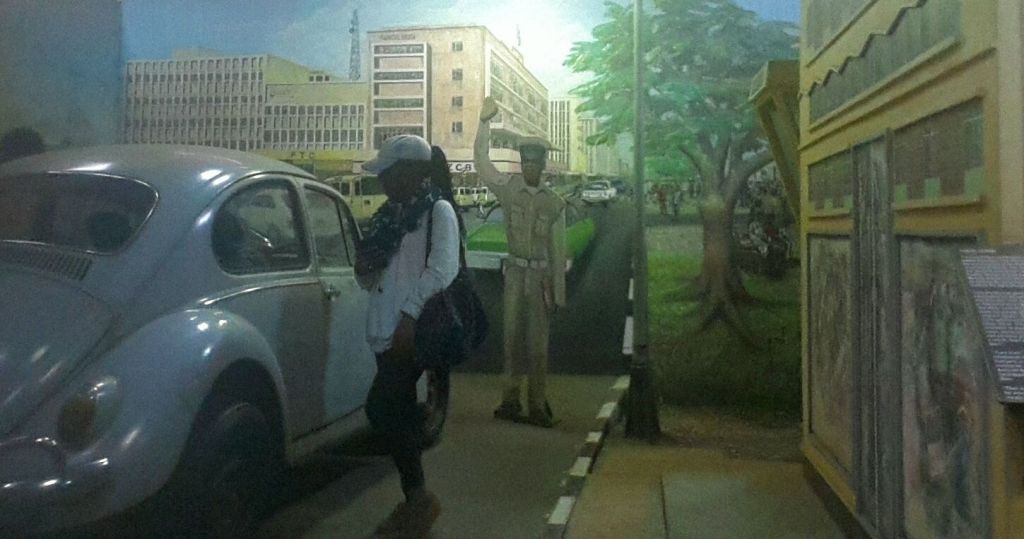
The Vintage VW Beetle Vehicle
One of the most charming exhibits in the museum is a vintage vehicle. Its unusual design makes it stand out among the historical displays, offering a fun and unexpected element to your visit. This car was once used in Zambia, and its presence in the museum adds a delightful touch of the past.
Panoramic Views of Zambia’s Past
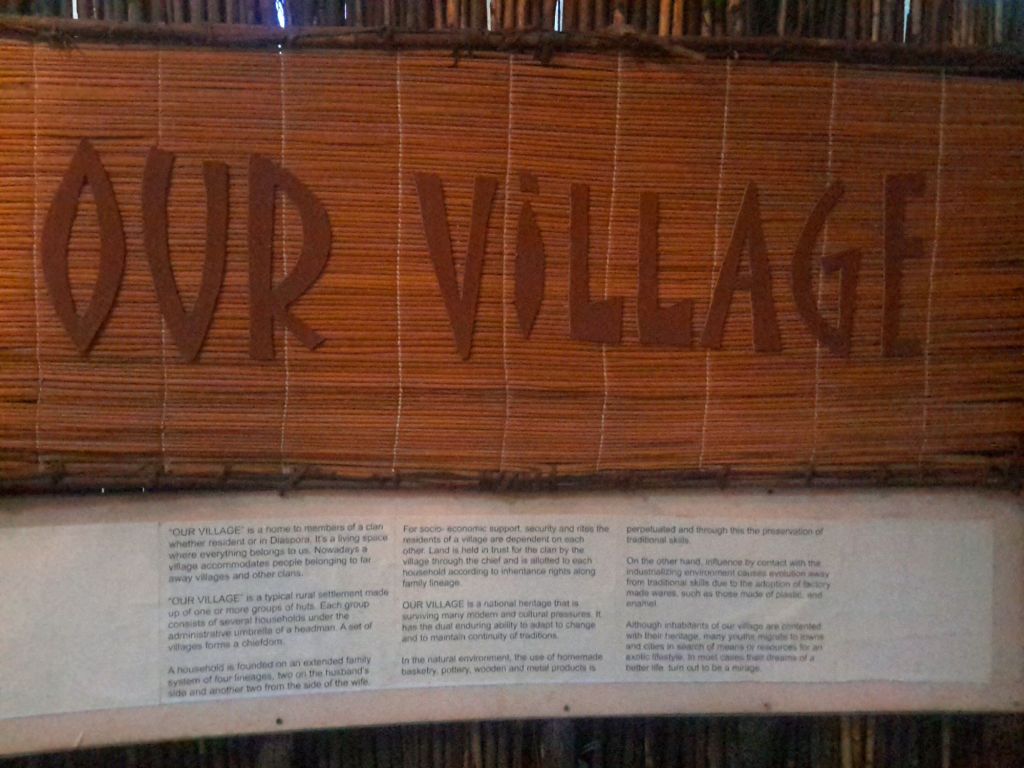
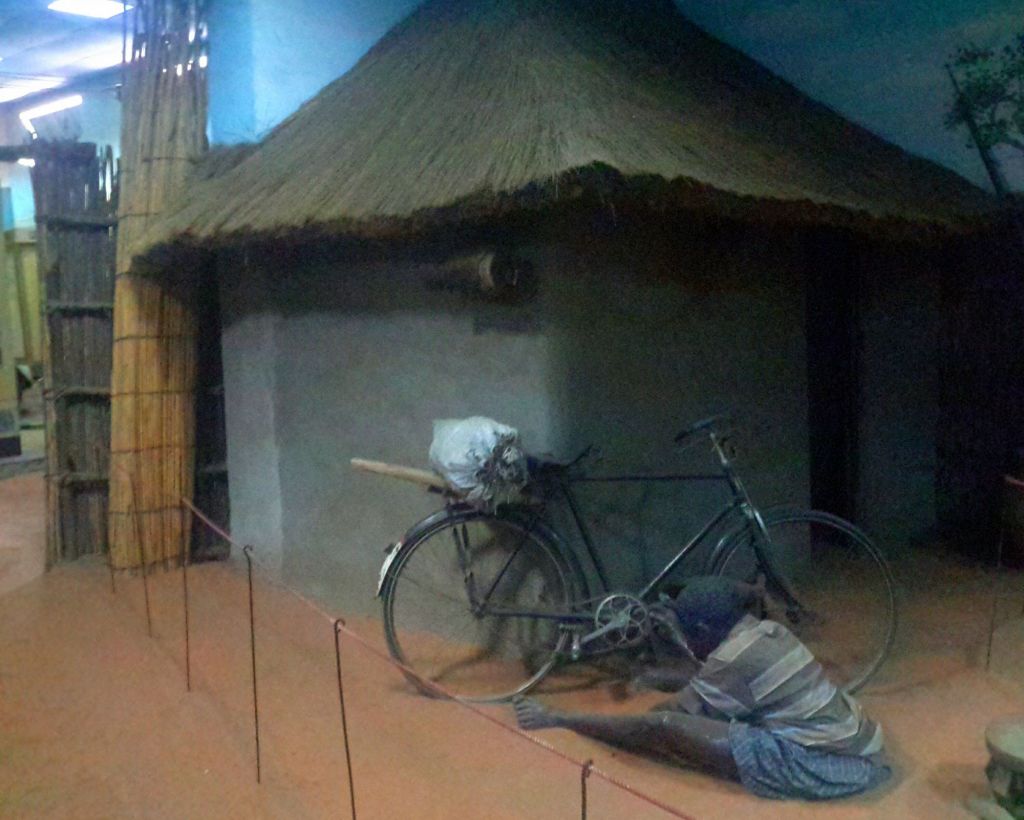
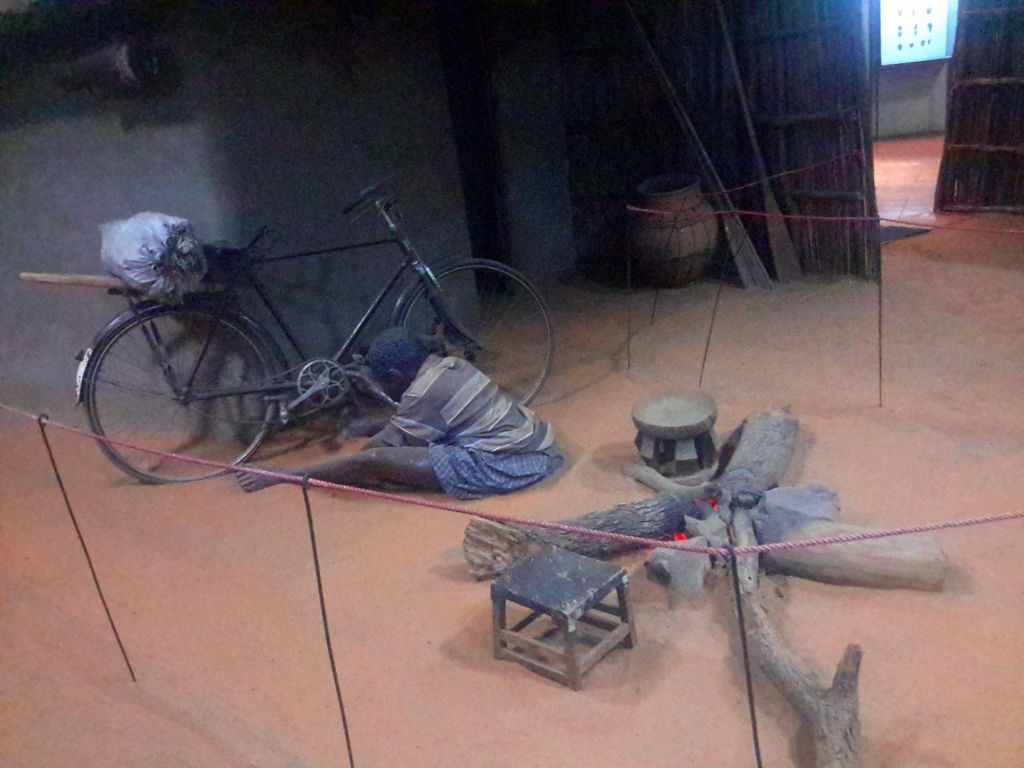
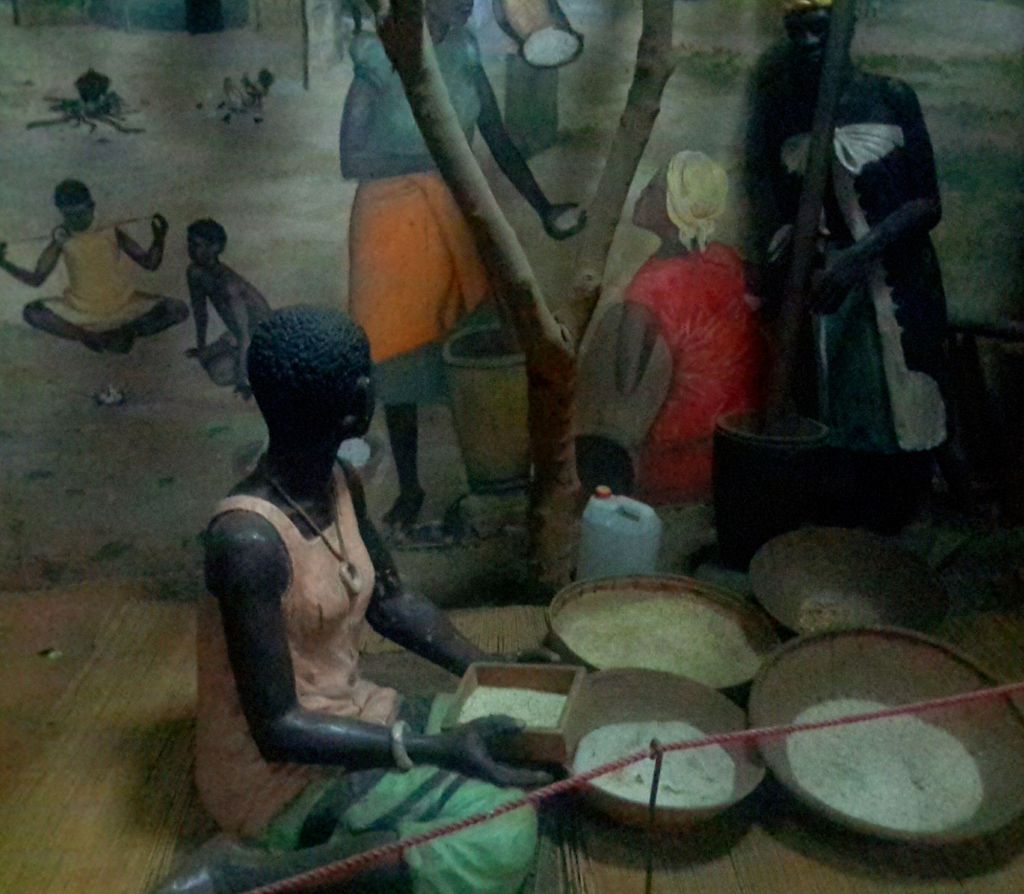
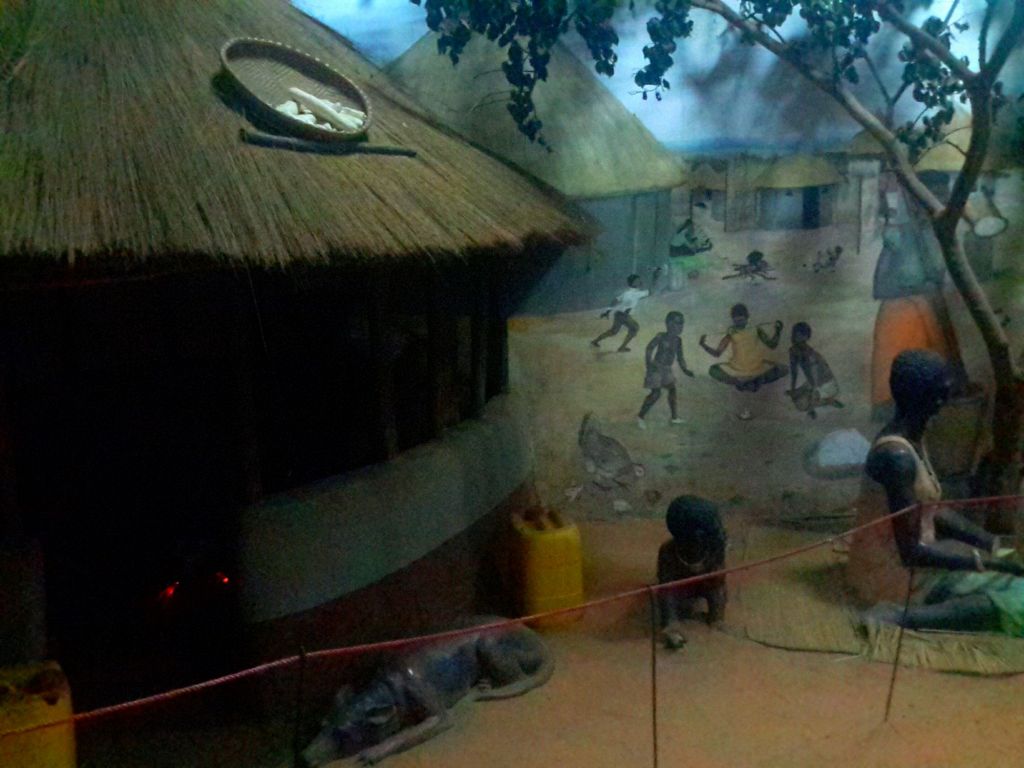
The Livingstone Museum doesn’t just tell stories, it immerses you in them. One of its highlights is a breathtaking panorama of a traditional Zambian village. This display recreates the sights and sounds of village life, complete with huts, tools, and scenes of daily activities. Walking through this exhibit feels like stepping into another time, offering a profound connection to Zambia’s cultural roots.


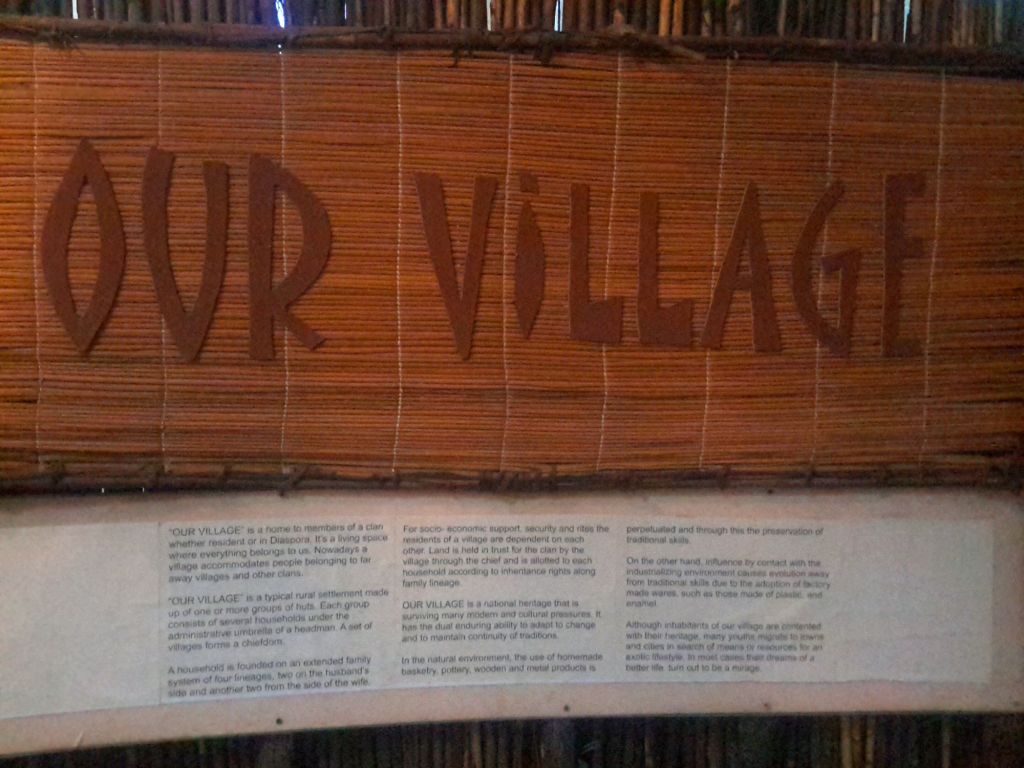
Nature lovers will also appreciate the museum’s natural history section.
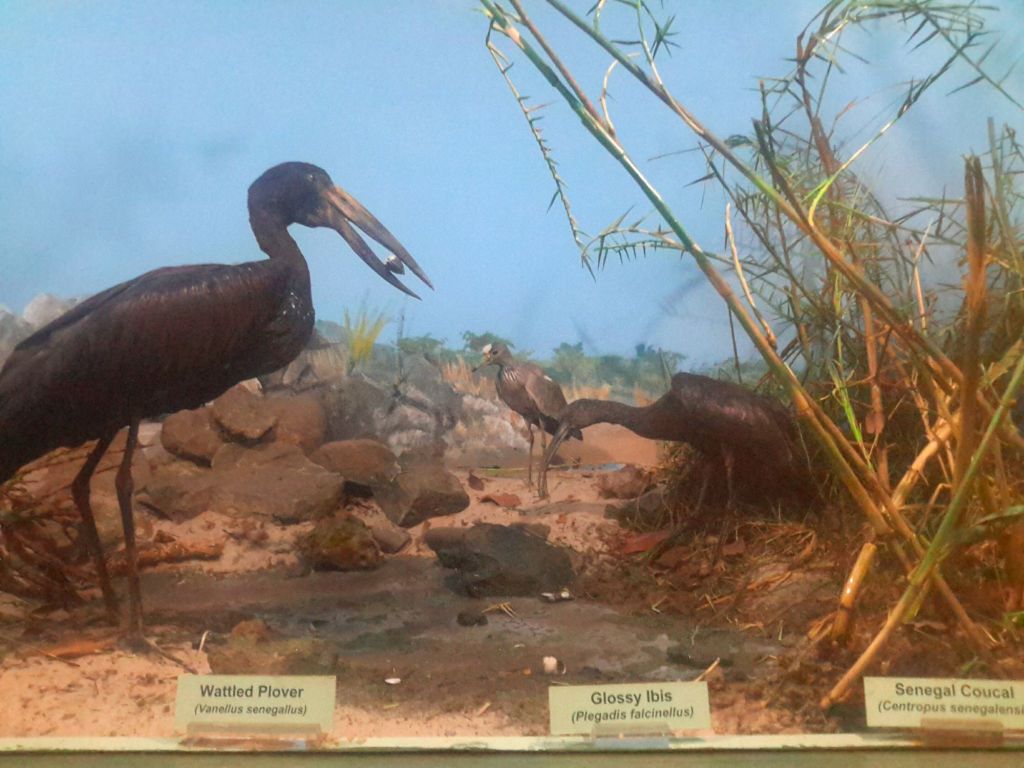
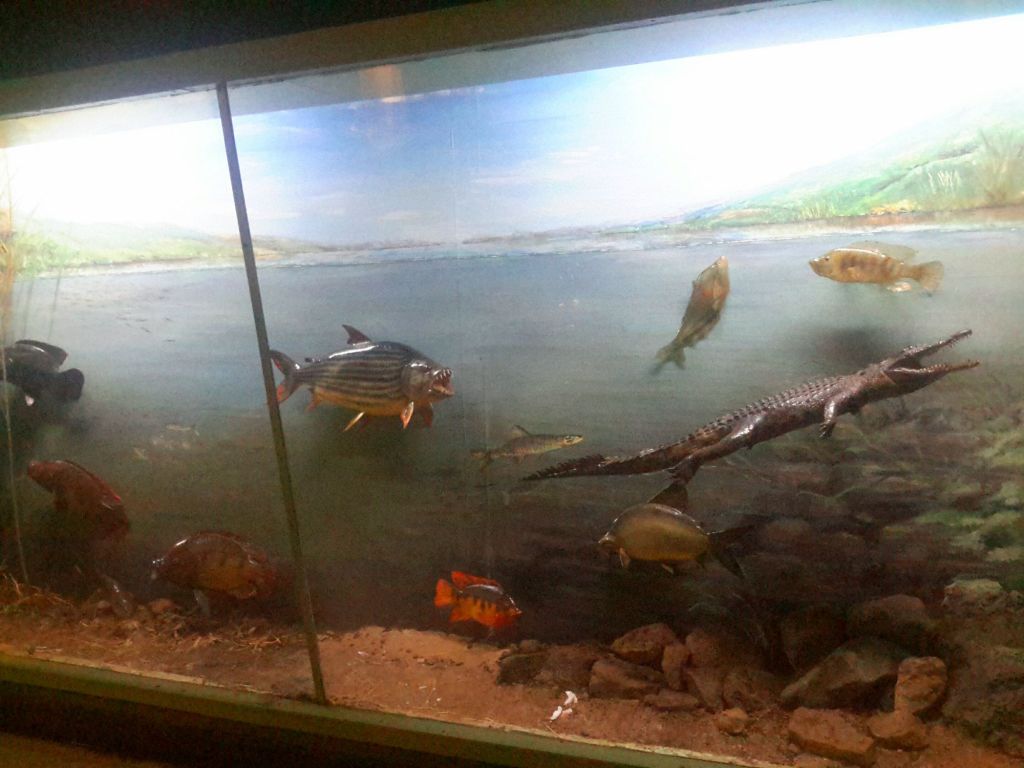
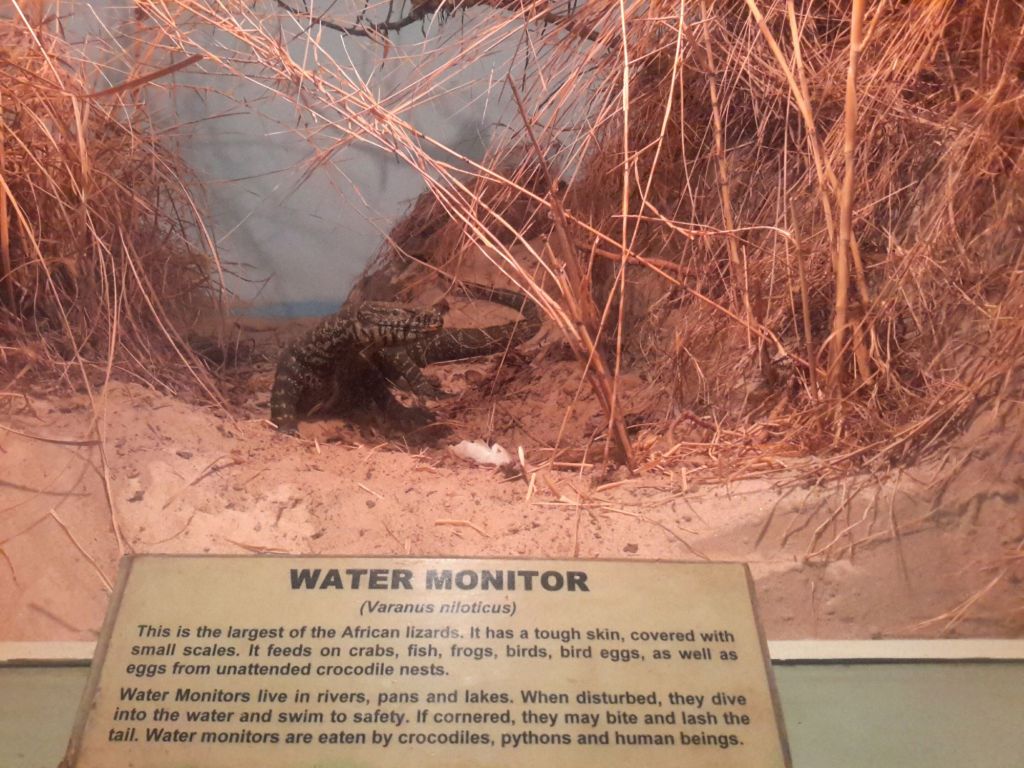
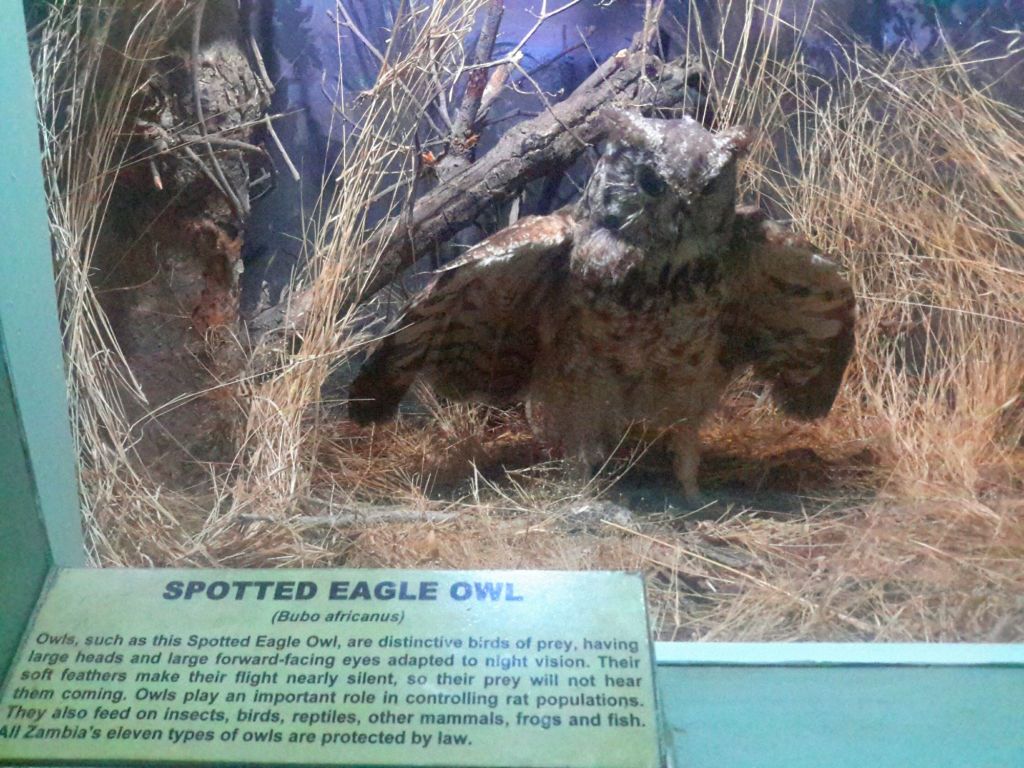
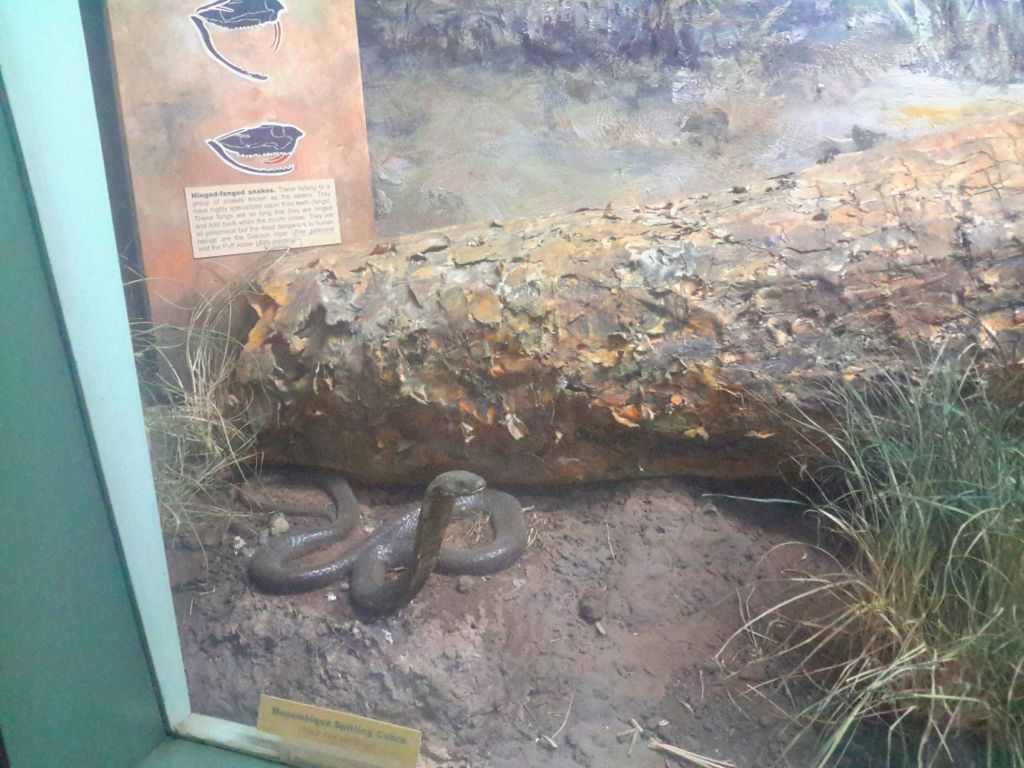
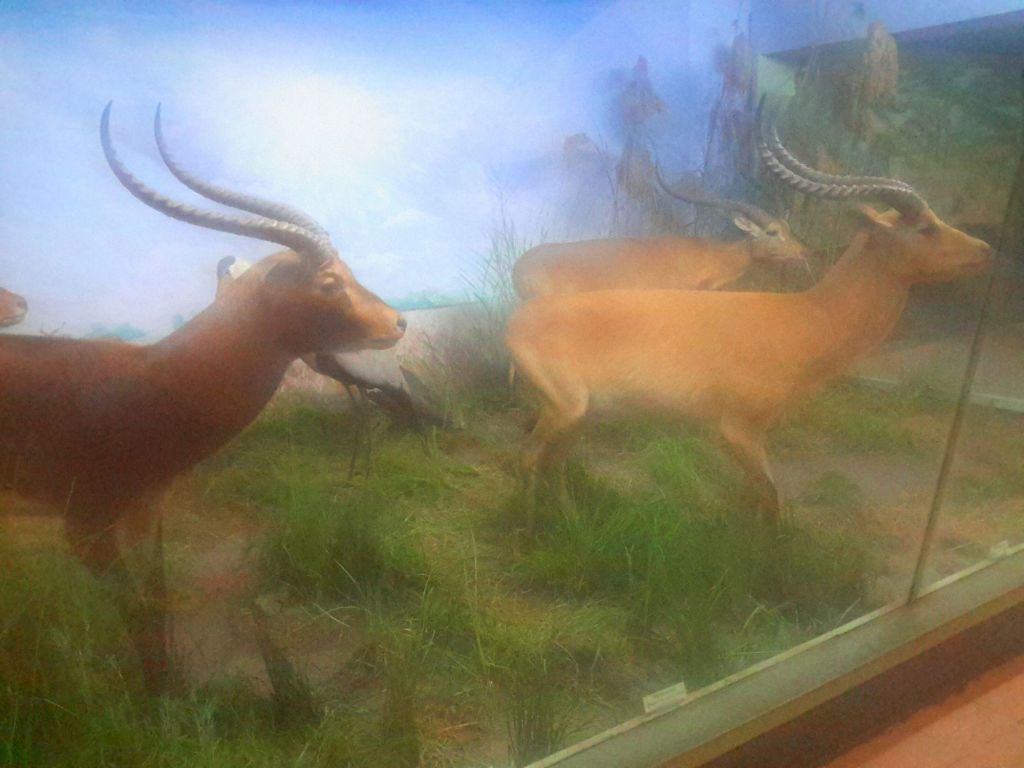
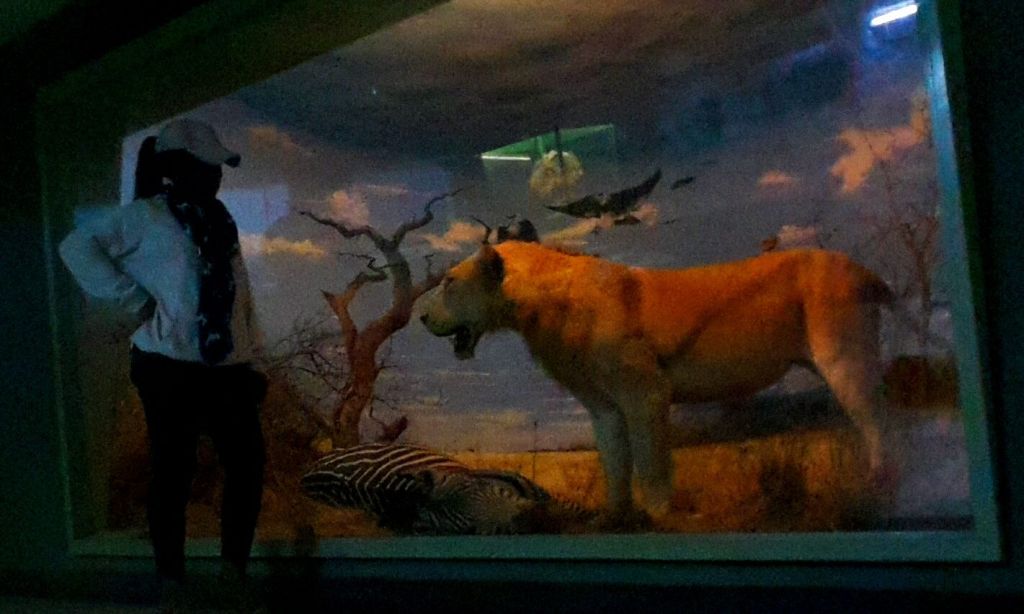

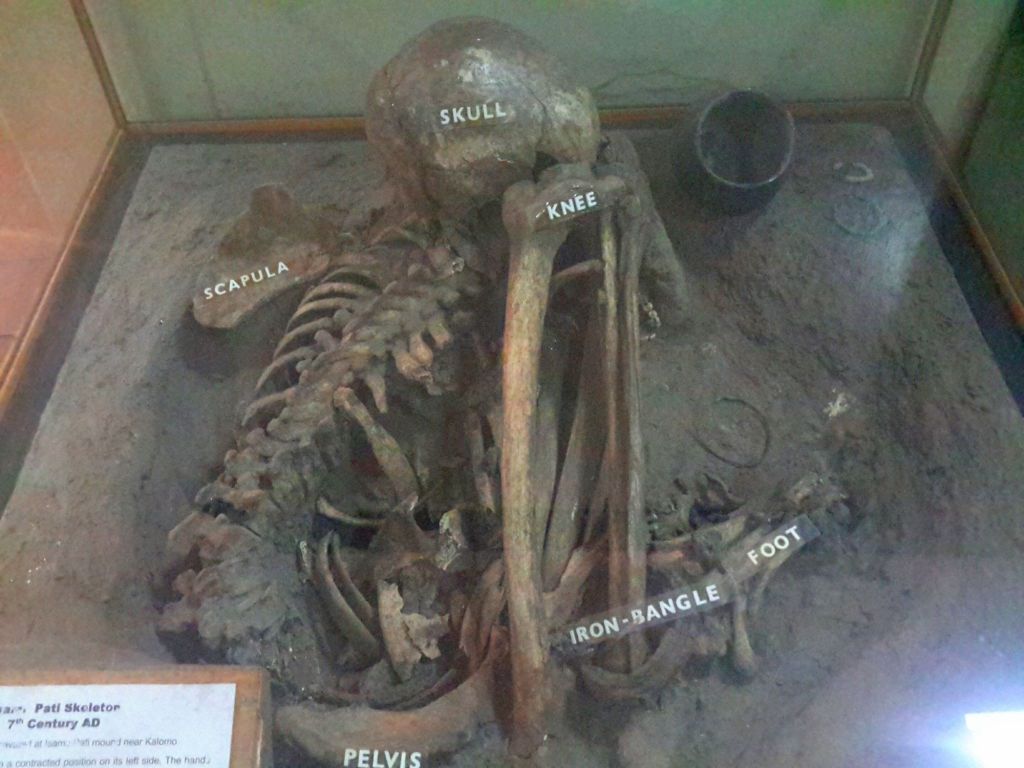
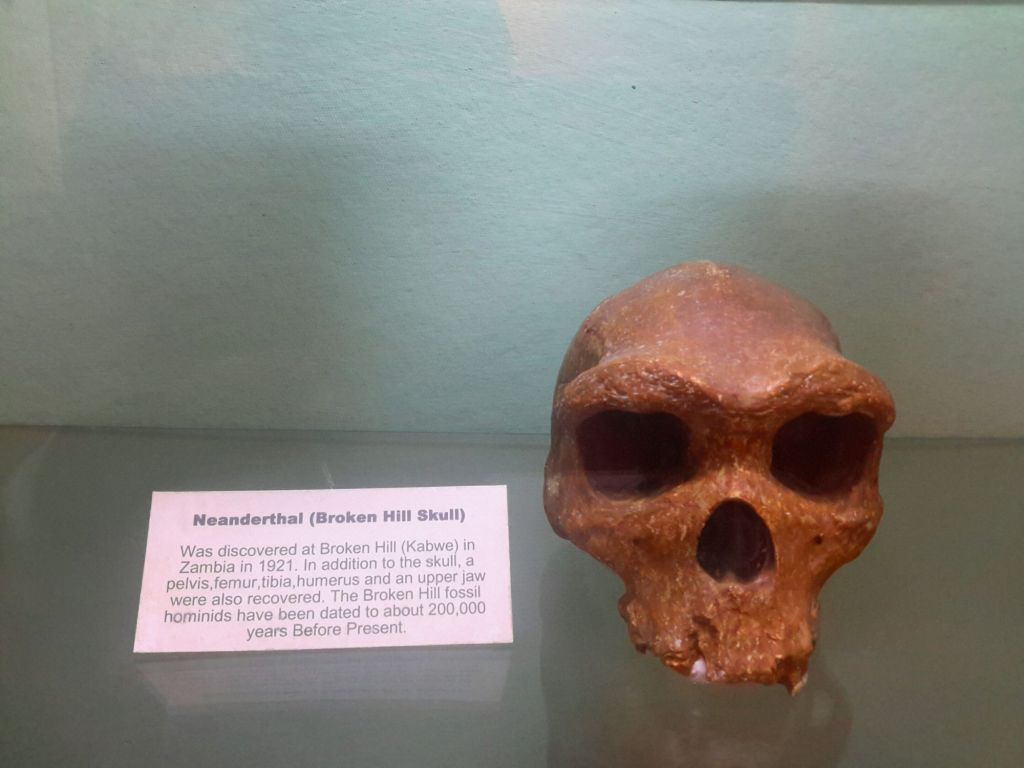
Here, you’ll find displays including the skeleton of the isamupati, that is in folded like poster showing in what style olden people buried others. But perhaps the most intriguing exhibit is the Broken Hill Man skull, an important anthropological find. While the original skull is currently housed in the UK, the museum displays a detailed replica and shares plans for its return to Zambia, a move that will further enrich its collection.
For , culture enthusiasts, or anyone with a curiosity for the past, this museum offers an unforgettable experience. Its carefully curated exhibits and immersive displays ensure that every visitor leaves with a deeper appreciation of Zambia’s heritage.
Kenneth Kaunda’s Chilenge House: A Symbol of Leadership
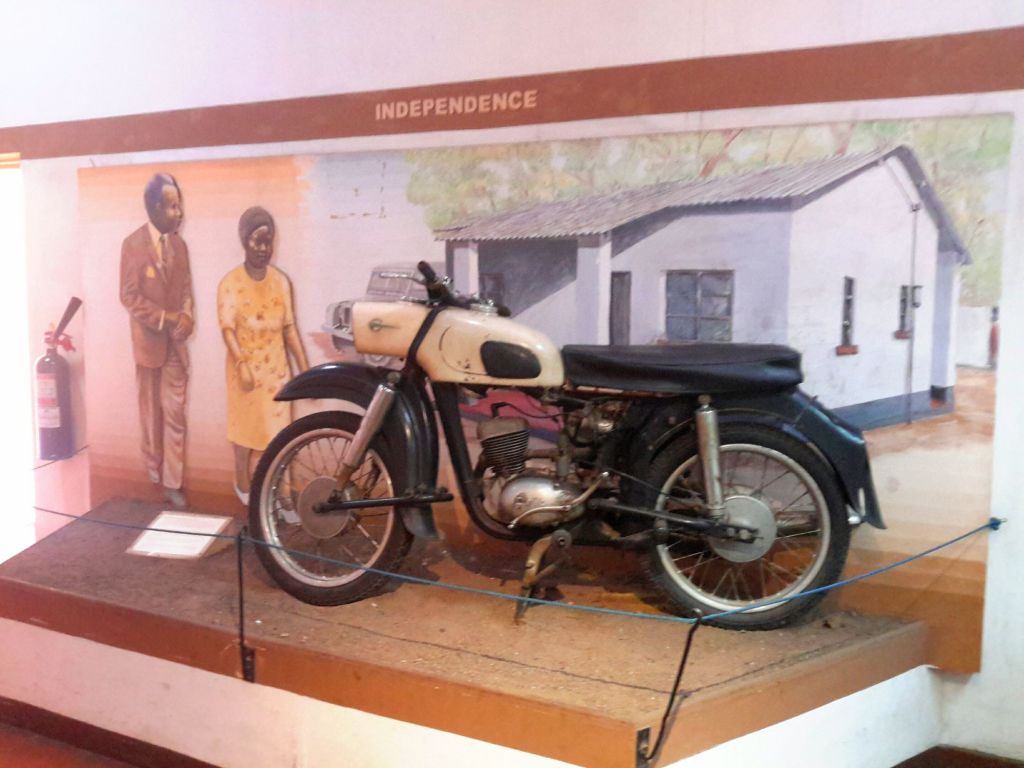
No visit to the museum would be complete without learning about Kenneth Kaunda, Zambia’s first president and one of the most influential figures in the country’s history. The museum features a view of his Chilenge House in Lusaka, where Kaunda’s leadership and vision began to take shape including the motorbike he used. This exhibit honors his legacy and highlights his role in shaping modern Zambia.
Why The Livingstone Museum is a Must-Visit
The Livingstone Museum is more than just a building filled with artifacts—it’s a living, breathing celebration of Zambia’s rich history and culture. Whether you’re marveling at the tools of ancient warriors, admiring David Livingstone’s personal belongings, or stepping into a recreated Zambian village, every moment spent here is an opportunity to learn, reflect, and connect.






 WanderwithFaith